“You just need a little patience,” my friend insisted, handing me a bowl of homemade gluten-free pasta that looked like it was holding itself together like a champ. Honestly, I was skeptical. Years of battling crumbly, sticky, or mushy gluten-free pasta had me doubting anything could really stay firm when cooked. But that evening, after a long day juggling work and family chaos, I gave it a shot. The smell of toasted rice flour and the faint hint of tapioca filled the kitchen — comforting and promising.
That first bite? Surprisingly chewy, with a nice bite that didn’t dissolve in the sauce or stick to the pot like a sad noodle mess. I remember thinking, “Wait, this actually works.” After making it multiple times that week (because, yes, I was obsessed), I realized this wasn’t just a lucky batch. It was a recipe that finally took the frustration out of gluten-free pasta nights.
What hooked me wasn’t just the texture but the confidence it gave me in the kitchen. No more scrambling to reheat or toss soggy noodles. This pasta holds up beautifully, whether it’s swimming in a rich tomato sauce or tossed with fresh herbs and olive oil. It’s become my go-to for those nights when I want a comforting pasta dish without worrying about gluten or crumbling disasters.
So, if you’ve ever stared down a pot of gluten-free pasta that looked more like mush than a meal, this recipe might just be your new best friend. It’s the kind of pasta that makes you pause, savor the texture, and quietly celebrate a little kitchen win.
Why You’ll Love This Recipe
After countless tests and tweaks, this perfect gluten-free pasta recipe has become a staple in my kitchen. Here’s why it stands out:
- Quick & Easy: The dough comes together in under 15 minutes, making it great for weeknight dinners when time’s tight but you want something homemade.
- Simple Ingredients: No exotic flours or hard-to-find additives — just a handful of pantry basics like rice flour, tapioca starch, and xanthan gum.
- Perfect for Any Occasion: Whether you’re whipping up a cozy dinner or feeding guests, this pasta holds its shape and texture beautifully.
- Crowd-Pleaser: Even friends and family who aren’t gluten-free have asked for seconds — it’s that good.
- Unbelievably Delicious: The texture is just right — firm but tender, with a subtle chew that feels authentic, not gummy or brittle.
What really sets this gluten-free pasta apart is the way the flour blend and moisture balance come together. I’ve learned that mixing rice flour with tapioca starch and a bit of xanthan gum creates a dough that’s flexible enough to roll and cut but sturdy enough to hold its shape when cooked. Plus, the resting time lets the dough hydrate fully, which makes a big difference in texture.
Honestly, this pasta isn’t just a gluten-free alternative — it’s a recipe I feel proud to serve. It’s helped me enjoy dishes like creamy homemade sauces with the same satisfaction as any traditional pasta. And if you’re curious about pairing it with a rich sauce, you might find inspiration in this creamy Boursin cheese pasta that complements the noodles perfectly.
What Ingredients You Will Need
This recipe uses simple, wholesome ingredients to deliver bold flavor and satisfying texture without the fuss. Most are pantry staples, and substitutions are easy if you need them.
- Rice Flour (1 cup / 120g): The base of the dough, providing structure and a mild flavor. I prefer Bob’s Red Mill for consistent results.
- Tapioca Starch (1/2 cup / 60g): Adds chewiness and elasticity, helping the pasta hold together without crumbling.
- Xanthan Gum (1 tsp): A must-have to mimic gluten’s binding properties. If you don’t have it, guar gum can work in a pinch.
- Salt (1/2 tsp): Enhances flavor throughout the dough.
- Large Eggs (2, room temperature): Provide moisture and richness, plus help bind the dough.
- Olive Oil (1 tbsp): Adds moisture and a touch of flavor, also helps with dough elasticity.
- Warm Water (2-4 tbsp): Used to adjust dough consistency as needed — start with less and add gradually.
Feel free to swap rice flour for a gluten-free all-purpose flour blend if that’s what you have on hand, but the texture might shift slightly. For a dairy-free version, olive oil replaces butter or other fats, keeping the dough tender.
In summer, I love adding fresh herbs right into the dough for a subtle flavor boost, like chopped basil or oregano. It pairs wonderfully with a light tomato sauce or something like the savory Italian beef sandwiches I made recently — the pasta’s mild taste balances richer dishes perfectly.
Equipment Needed
- Mixing Bowl: A medium-sized bowl to combine the dry and wet ingredients.
- Rolling Pin: Essential for rolling out the dough evenly. A silicone rolling pin is easy to clean and works well.
- Pasta Cutter or Sharp Knife: For cutting the dough into your desired shapes — fettuccine or tagliatelle work best.
- Large Pot: For boiling the pasta, make sure it’s big enough so the noodles don’t stick together.
- Fine Mesh Strainer or Slotted Spoon: To remove the pasta gently from boiling water without breaking it.
If you have a pasta machine, that’s great, but I find rolling by hand gives me more control over thickness, especially with gluten-free dough that can be a bit delicate. For budget-friendly options, a sturdy plastic or wooden rolling pin works fine — just dust with flour to prevent sticking.
Keep your equipment clean and dry, especially the rolling pin and knife, to avoid dough sticking. I once ruined a batch because my rolling pin was sticky from previous dough — trust me, it’s worth the extra wipe-down.
Preparation Method
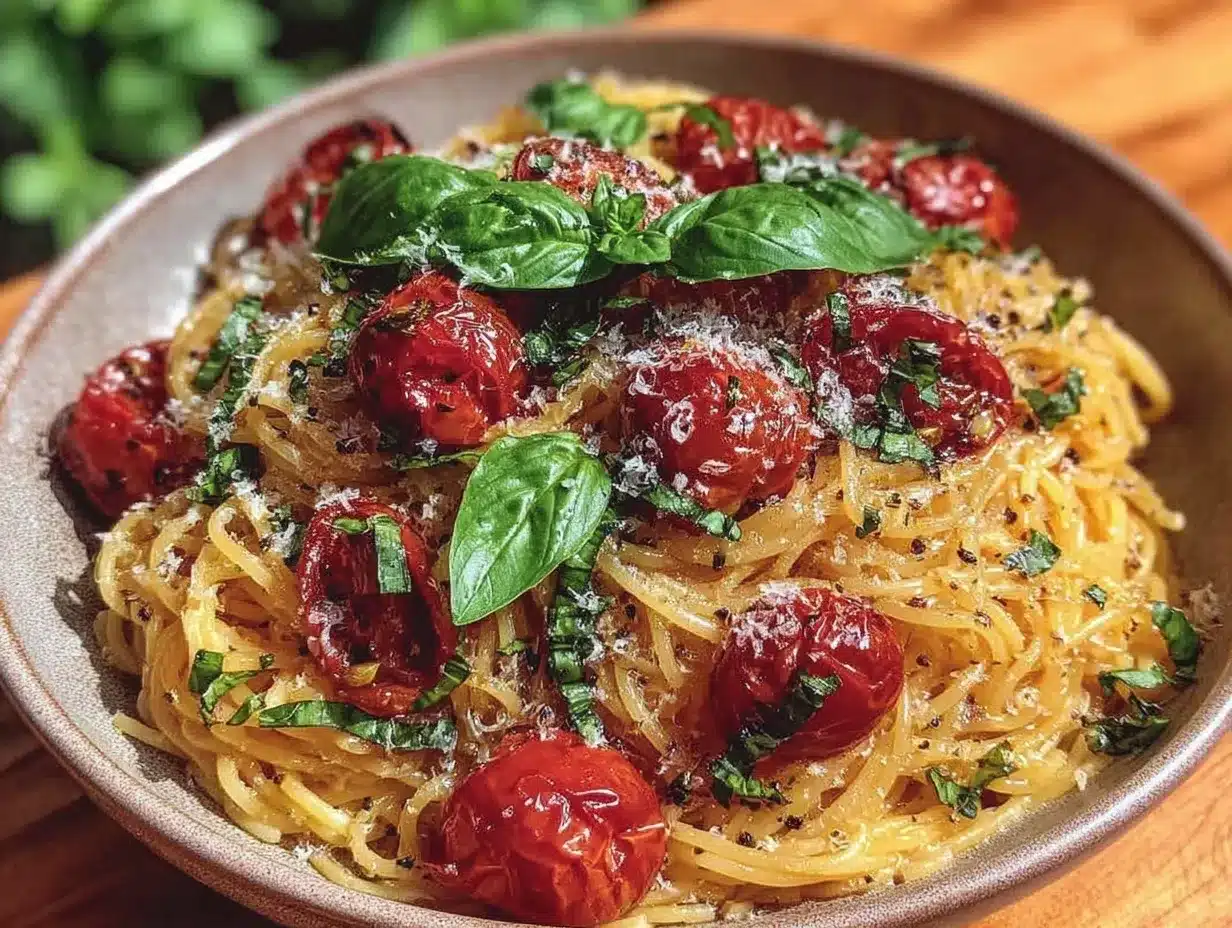
- Combine Dry Ingredients: In a mixing bowl, whisk together 1 cup (120g) rice flour, 1/2 cup (60g) tapioca starch, 1 teaspoon xanthan gum, and 1/2 teaspoon salt. This ensures even distribution of the gum and salt.
- Add Wet Ingredients: Make a well in the center and crack in 2 large eggs (room temperature), then pour in 1 tablespoon olive oil. Stir gently with a fork to start combining the dough.
- Add Warm Water Gradually: Add 2 tablespoons warm water (about 110°F / 43°C) a little at a time, mixing until the dough starts to come together. You might need up to 4 tablespoons depending on your flour’s absorbency.
- Knead the Dough: Lightly flour a clean surface with rice flour and knead the dough for about 5 minutes. It should be smooth, slightly tacky but not sticky. If too dry, add a drop more water; if too sticky, dust with flour.
- Rest the Dough: Wrap the dough ball in plastic wrap and let it rest at room temperature for 30 minutes. This step hydrates the starches and helps the dough hold together better when rolled.
- Roll Out the Dough: Divide the dough into two portions. On a floured surface, roll each portion to about 1/8-inch (3mm) thickness. Don’t rush — gluten-free dough can tear if handled roughly.
- Cut the Pasta: Using a sharp knife or pasta cutter, slice the dough into strips about 1/4 inch (6mm) wide for fettuccine. Toss the cut pasta lightly with rice flour to prevent sticking.
- Boil the Pasta: Bring a large pot of salted water to a rolling boil. Add the pasta gently and cook for 2 to 4 minutes, depending on thickness. Fresh gluten-free pasta cooks quickly — watch for it to float and taste frequently.
- Drain and Serve: Use a slotted spoon to remove the pasta carefully, avoiding breakage. Toss immediately with sauce or olive oil to prevent sticking.
Pro tip: If the pasta breaks during cooking, it’s usually because the dough was too dry or rolled too thin. Next time, add a tiny bit more water during kneading or roll slightly thicker. Also, the resting phase is crucial — don’t skip it!
Cooking Tips & Techniques
Cooking gluten-free pasta can feel like walking a tightrope, but a few tricks help keep it steady:
- Hydration Matters: Gluten-free flours absorb water differently; make sure your dough feels pliable, not crumbly. When in doubt, add water a teaspoon at a time.
- Resting Time: Letting the dough rest at least 30 minutes is a game-changer. It lets the starches swell and bind, preventing crumbly noodles.
- Use Plenty of Water: A large pot with lots of boiling salted water stops the noodles from sticking together. Toss pasta gently after adding it to the pot.
- Don’t Overcook: Fresh gluten-free pasta cooks fast — usually under 4 minutes. Taste often to avoid mushiness.
- Handle with Care: Gluten-free pasta can be fragile. Use a slotted spoon to lift noodles and avoid stirring aggressively once in the pot.
I learned these lessons the hard way after a few too many broken noodle disasters. Once, I rushed the resting time thinking it was optional — that batch was a mess. Another time, I forgot to salt the water, and the pasta tasted flat. Trust me, these small details add up.
When multitasking in the kitchen, prepare your sauce before boiling the pasta so you can toss everything immediately. For a creamy touch, check out my creamy chicken bacon ranch pasta recipe — it pairs beautifully with this gluten-free base and is a total crowd-pleaser.
Variations & Adaptations
This gluten-free pasta recipe is versatile and easy to tweak for different tastes and needs.
- Herbed Pasta: Add 1-2 tablespoons of finely chopped fresh herbs like basil, oregano, or thyme directly into the dough. It adds a subtle flavor that’s lovely with light sauces.
- Vegan Version: Substitute eggs with a flaxseed “egg” (1 tablespoon ground flaxseed mixed with 3 tablespoons water, rested for 5 minutes) and use an extra splash of olive oil. The texture changes slightly but stays firm when cooked.
- Alternative Flours: Swap rice flour for sorghum or millet flour to change the flavor profile. Tapioca starch remains important for elasticity, so keep that consistent.
- Different Shapes: Try rolling thicker and cutting into pappardelle or using a ravioli mold for stuffed pasta. Just be gentle when handling shapes that require folding or filling.
One of my favorite twists is mixing a bit of smoked paprika into the dough for a smoky undertone — excellent with rich sauces like my creamy Cajun chicken pasta. It adds a little surprise without overpowering the noodles.
Serving & Storage Suggestions
This gluten-free pasta is best served fresh, tossed immediately with your favorite sauce or a drizzle of olive oil and fresh herbs. I love it warm with a sprinkle of Parmesan or nutritional yeast for a cheesy kick.
Pair it with simple sides like a crisp green salad or the crispy broccoli salad with bacon crunch for a balanced meal.
To store leftover pasta, toss it lightly with olive oil to prevent sticking, then refrigerate in an airtight container for up to 2 days. Reheat gently in a skillet with a splash of water or broth to restore moisture.
If you want to freeze the pasta, flash freeze the cut noodles on a baking sheet until firm, then transfer to a freezer bag. Boil straight from frozen, adding an extra minute to cooking time.
Flavors tend to deepen after resting, especially if you toss the pasta with sauce and refrigerate overnight. It makes a great make-ahead option for busy days.
Nutritional Information & Benefits
Per serving (about 1 cup cooked):
| Calories | 210 |
|---|---|
| Carbohydrates | 42g |
| Protein | 6g |
| Fat | 5g |
| Fiber | 1g |
This pasta is naturally gluten-free, making it suitable for those with celiac disease or gluten sensitivity. The rice flour provides gentle, easy-to-digest carbohydrates, while tapioca starch adds chewiness without added fat or protein.
Eggs contribute protein and richness, and olive oil adds heart-healthy fats. If you need a dairy-free and vegan option, swapping eggs for flax eggs still keeps it nutritious.
Keep in mind, this recipe contains eggs and may not be suitable for those with egg allergies.
Conclusion
Getting gluten-free pasta right isn’t always easy, but this recipe nails the balance between tenderness and firmness without falling apart. It’s simple enough for busy cooks yet satisfying enough to impress even the pickiest eaters.
Feel free to tweak the herbs, flours, or shape to make it your own. I’ve found that once you get the hang of the dough’s texture, the possibilities are endless. This pasta holds up beautifully with everything from hearty sauces to lighter dressings.
Personally, it’s become my go-to comfort food, especially after hectic days when I want something reliable and homemade. If you want to add a bit of protein and creamy comfort, pairing it with dishes like the creamy chicken salad with sweet grapes makes dinner feel special without extra fuss.
Give it a try, and let me know how your pasta turns out — I love hearing about your kitchen wins and tweaks!
Frequently Asked Questions
Can I make this gluten-free pasta dough ahead of time?
Yes! You can prepare the dough up to a day in advance. Wrap it tightly in plastic wrap and refrigerate. Bring it to room temperature before rolling out.
What if I don’t have xanthan gum?
Guar gum can substitute xanthan gum in the same amount. Without either, the pasta may be crumbly and fall apart more easily.
How thick should I roll the dough?
About 1/8 inch (3mm) thick is ideal for firm, tender pasta. Thinner dough may tear, and thicker pasta takes longer to cook.
Can I freeze the fresh gluten-free pasta?
Absolutely! Freeze the cut pasta on a baking sheet, then transfer to a bag. Cook directly from frozen, adding an extra minute or two to boiling time.
How do I prevent gluten-free pasta from sticking together?
Toss the fresh cut pasta lightly with rice flour before cooking, use plenty of boiling salted water, and stir gently after adding the noodles to the pot.
Pin This Recipe!
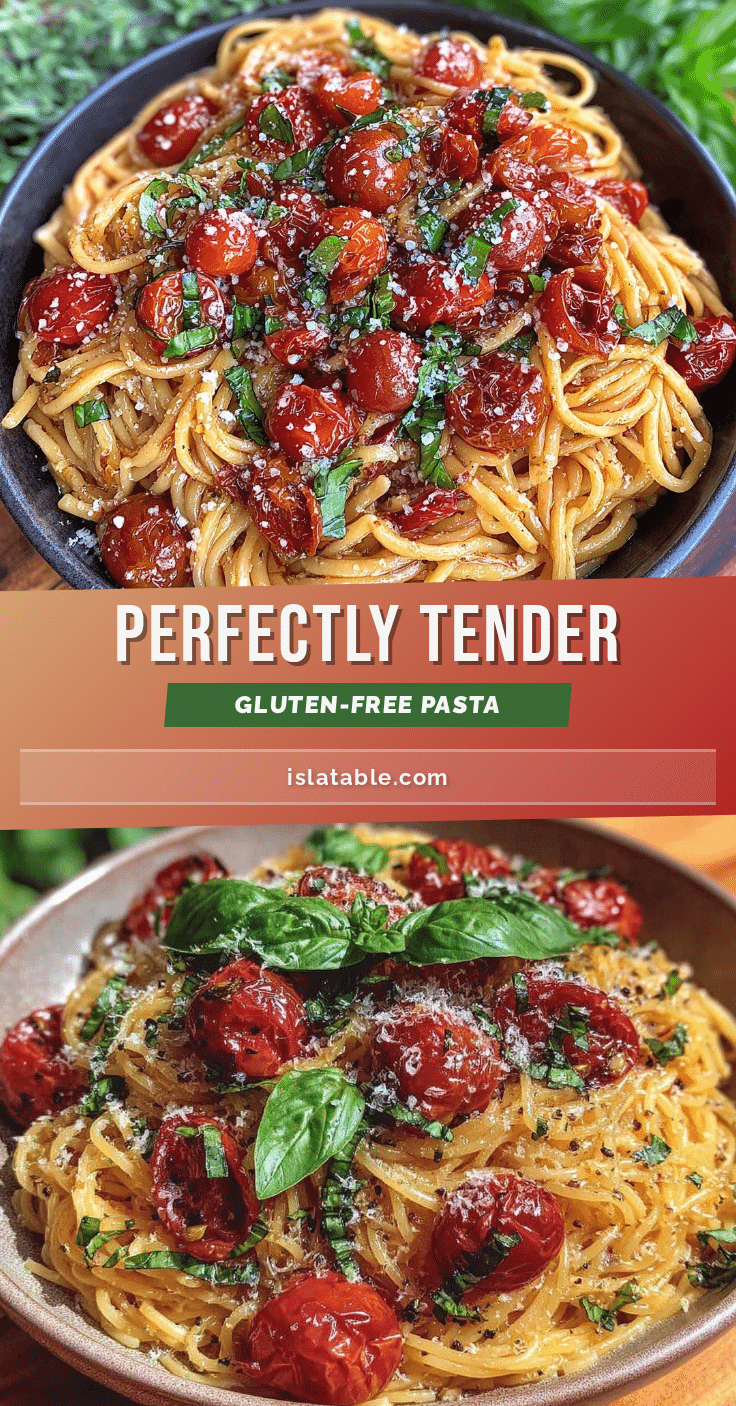
Perfect Gluten-Free Pasta Recipe Easy Homemade Pasta That Stays Firm Every Time
A reliable gluten-free pasta recipe that yields firm, chewy noodles perfect for any sauce or occasion. Made with simple pantry ingredients, this pasta holds its shape and texture beautifully.
- Prep Time: 15 minutes
- Cook Time: 4 minutes
- Total Time: 49 minutes
- Yield: 4 servings 1x
- Category: Main Course
- Cuisine: Italian
Ingredients
- 1 cup (120g) rice flour
- 1/2 cup (60g) tapioca starch
- 1 teaspoon xanthan gum
- 1/2 teaspoon salt
- 2 large eggs, room temperature
- 1 tablespoon olive oil
- 2–4 tablespoons warm water (about 110°F / 43°C)
Instructions
- Combine 1 cup rice flour, 1/2 cup tapioca starch, 1 teaspoon xanthan gum, and 1/2 teaspoon salt in a mixing bowl and whisk together.
- Make a well in the center and crack in 2 large eggs, then add 1 tablespoon olive oil. Stir gently with a fork to start combining the dough.
- Gradually add 2 tablespoons warm water, mixing until dough starts to come together. Add up to 4 tablespoons if needed depending on flour absorbency.
- Lightly flour a clean surface with rice flour and knead the dough for about 5 minutes until smooth and slightly tacky but not sticky. Adjust with water or flour as needed.
- Wrap the dough ball in plastic wrap and let it rest at room temperature for 30 minutes to hydrate the starches.
- Divide the dough into two portions. Roll each portion on a floured surface to about 1/8-inch (3mm) thickness.
- Cut the dough into strips about 1/4 inch (6mm) wide for fettuccine using a sharp knife or pasta cutter. Toss cut pasta lightly with rice flour to prevent sticking.
- Bring a large pot of salted water to a rolling boil. Add pasta gently and cook for 2 to 4 minutes until pasta floats and is tender but firm.
- Use a slotted spoon to remove pasta carefully, avoiding breakage. Toss immediately with sauce or olive oil to prevent sticking.
Notes
Resting the dough for 30 minutes is crucial for hydration and texture. Use plenty of boiling salted water to prevent sticking. Roll dough to about 1/8 inch thickness to avoid tearing. If pasta breaks, dough may be too dry or rolled too thin. Toss cut pasta with rice flour before cooking.
Nutrition
- Serving Size: About 1 cup cooked p
- Calories: 210
- Fat: 5
- Carbohydrates: 42
- Fiber: 1
- Protein: 6
Keywords: gluten-free pasta, homemade pasta, rice flour pasta, tapioca starch pasta, xanthan gum pasta, easy gluten-free recipe, firm gluten-free noodles