“You’ve got ground beef in the fridge, but what if I told you that swapping it for ground turkey could be a game changer?” That thought came to me one evening after a quick grocery run, when I realized I’d grabbed turkey instead of beef by accident. Honestly, I was skeptical. Ground beef has that rich, juicy reputation, and I wasn’t sure turkey could match up. But after tinkering with the swap a few times — including in my go-to savory Italian beef sandwiches — I found myself reaching for turkey more often than not.
What surprised me was how versatile and delicious ground turkey can be when handled right. It’s lighter, yes, but with the right seasoning and cooking methods, it holds its own flavor-wise. This guide is born from those little kitchen experiments where turkey quietly took center stage, proving it’s not just a “diet substitute” but a worthy contender in the ground meat arena. So, whether you’re counting calories, looking to mix up your meals, or just curious about making a smooth swap, this guide breaks down the practical differences, easy swaps, and tasty tricks for using ground turkey instead of ground beef.
At the end of the day, it’s less about “better” and more about what fits your taste and lifestyle — and this swap might just surprise you with how delicious and doable it is. That’s why this guide stuck with me: it’s a little nudge to shake up dinner routines with something fresh, simple, and satisfying.
Why You’ll Love This Recipe
Having spent quite a few weeks experimenting with ground turkey as a substitute for ground beef, I feel confident sharing why this swap works so well. It’s not just about health or cost — it’s about making your meals just as enjoyable, but with a twist that can fit different needs or moods.
- Quick & Easy: Ground turkey cooks just as fast as ground beef, so you’re not adding time to your dinner prep. Perfect for those busy nights when you want something hearty but fuss-free.
- Simple Ingredients: You don’t need fancy add-ons or specialty products. Most of the time, your pantry staples will do the trick. I often pair turkey with garlic, onions, and herbs to boost the flavor naturally.
- Perfect for Weeknight Meals: Whether you’re throwing together tacos, casseroles, or burgers, this swap fits seamlessly. Plus, it’s a lighter option that still satisfies cravings.
- Crowd-Pleaser: Honestly, friends and family rarely notice the difference when it’s cooked well. I’ve served ground turkey in my savory Philly cheesesteak twist, and it went over just as well as beef.
- Unbelievably Delicious: The key is in seasoning and moisture — turkey’s milder flavor means you get to customize it more boldly. I like to add a little broth or olive oil to keep it juicy.
What makes this guide different is that it’s not just a simple “swap this for that” list; it’s based on real kitchen tests and honest feedback. I’ve found straightforward techniques and seasoning combos that make ground turkey shine without losing the comfort and heartiness you expect from a beef dish.
More than that, this swap offers a way to balance meals with a leaner protein without feeling like you’re missing out. It’s practical, flexible, and, well, delicious in its own right — and that’s why it’s stuck with me as a go-to option.
What Ingredients You Will Need
This guide focuses on the ingredients involved in making a smooth and tasty ground turkey vs ground beef substitution. The ingredients are simple, pantry-friendly, and easy to adapt based on what you have on hand.
- Ground Turkey: Choose 93% lean or 85% lean depending on your preference for fat content and flavor. I usually go for 93% lean to keep it light but still juicy.
- Ground Beef: For comparison, 80% lean is what most recipes call for. It has more fat, which means more flavor but also more grease.
- Olive Oil or Butter: Since turkey is leaner, adding a tablespoon of olive oil or butter during cooking helps keep it moist.
- Onion: Finely chopped, adds sweetness and depth. Yellow or white onions work best here.
- Garlic: Minced garlic is a must for flavor. Fresh is best, but garlic powder can work in a pinch.
- Herbs & Spices: Common seasonings include salt, black pepper, smoked paprika, cumin, chili powder, oregano, and thyme. These bring out the flavor in turkey, which is milder than beef.
- Broth or Stock: Adding 2-3 tablespoons of chicken or vegetable broth while cooking the turkey prevents it from drying out.
- Tomato Paste or Sauce: Optional but great for dishes like chili, spaghetti sauce, or casseroles to add richness.
- Worcestershire Sauce: Just a splash can mimic some of the savory, umami notes found in beef.
- Breadcrumbs or Oats: For recipes like meatballs or burgers, a binder helps with texture and moisture retention.
- Cheese: If your recipe calls for melting cheese — like in a creamy Boursin cheese pasta — the swap works just the same, no adjustments needed.
When selecting ground turkey, I recommend looking for fresh packages with a firm texture and slightly pink color. Avoid overly wet or grayish meat as it may be past its prime. For ground beef, the fat content influences flavor and cooking time, so pick accordingly.
Substitution tips:
- Use almond flour or gluten-free breadcrumbs to keep the recipe gluten-free.
- Swap Greek yogurt for sour cream in sauces if you want a lighter, tangier finish.
- In summer, fresh herbs like parsley or cilantro can brighten turkey dishes beautifully.
Equipment Needed
For making a smooth ground turkey vs ground beef substitute, you don’t need anything fancy in the kitchen. Here’s the basic equipment that’ll get you through most recipes:
- Non-stick or Cast Iron Skillet: A sturdy skillet helps brown the meat evenly. I personally prefer cast iron for that nice sear, but non-stick works well to avoid sticking.
- Wooden Spoon or Silicone Spatula: For breaking up the meat as it cooks without scratching your pans.
- Measuring Spoons and Cups: Accurate seasoning and liquid measurements make all the difference in flavor and moisture balance.
- Mixing Bowls: Handy for combining ingredients if you’re making meatballs, burgers, or meatloaf with ground turkey.
- Food Thermometer: Optional but useful for checking that turkey reaches a safe internal temperature of 165°F (74°C) without overcooking.
If you don’t have a cast iron skillet, any heavy-bottomed pan will do. For budget-friendly options, a simple non-stick frying pan is perfect for everyday cooking. I’ve found that keeping my pans well-seasoned or non-stick makes cleanup easier and prevents turkey from sticking and drying out.
Preparation Method
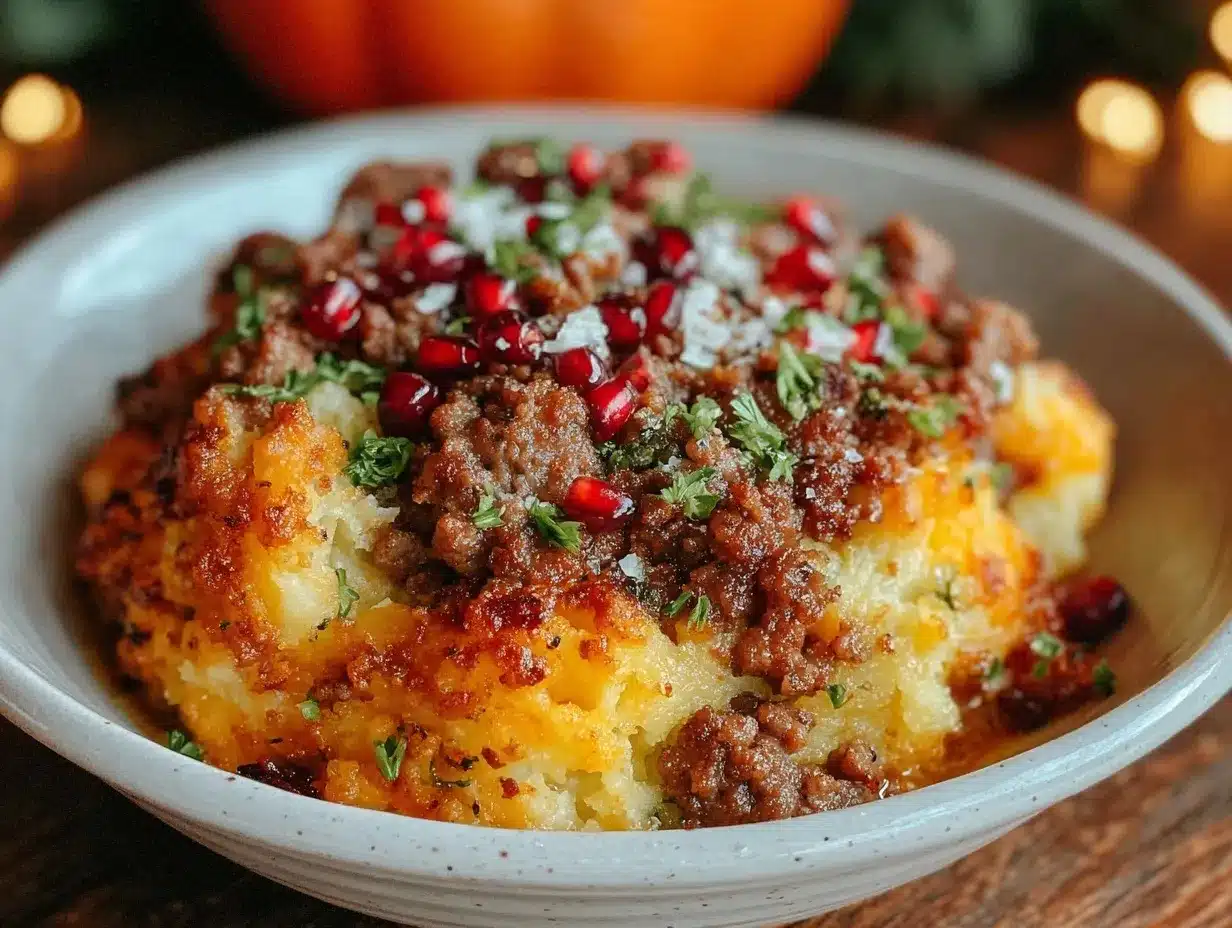
- Prepare Your Ingredients: Gather ground turkey (or beef), finely chop onions and garlic, measure out herbs and spices. Having everything ready keeps the cooking process smooth and stress-free. (Approx. 5 minutes)
- Heat the Pan: Place your skillet over medium heat and add 1 tablespoon of olive oil or butter. Let it warm until it shimmers but doesn’t smoke. This step ensures the meat browns nicely instead of steaming. (Approx. 2 minutes)
- Sauté Onions and Garlic: Add the chopped onions and cook until translucent and soft, about 3-4 minutes. Stir in garlic and cook for another 30 seconds until fragrant. Avoid browning the garlic too much to prevent bitterness.
- Add Ground Turkey or Beef: Crumble the meat into the pan. Spread it out evenly and let it sit untouched for 2 minutes to get a good sear. Then stir and break it up with your spatula, cooking until no longer pink. For turkey, this usually takes 6-8 minutes; beef might take slightly less due to higher fat content.
- Season Generously: Sprinkle salt, pepper, and your chosen spices evenly over the meat. Stir well to combine. For turkey, add 2-3 tablespoons of chicken broth to keep it moist. Worcestershire sauce or tomato paste can be added here depending on your recipe. (Approx. 1-2 minutes)
- Simmer Briefly: Lower heat to medium-low and let the mixture cook gently for 3-5 minutes, stirring occasionally. This step lets the flavors meld and the turkey stay juicy. If you notice dryness, a splash more broth or olive oil helps.
- Final Taste and Adjust: Taste your meat mixture and adjust seasoning as needed. This is your chance to add more salt, pepper, or herbs. If you’re making a dish like chili or spaghetti, this is when you’d add tomato sauce or other liquids.
- Use in Your Recipe: Once cooked, the ground turkey is ready to replace beef in tacos, casseroles, meatballs, or whatever you’re making. I’ve had particular success swapping turkey in my creamy chicken bacon ranch pasta for a lighter twist without losing the rich flavor.
Quick tip: don’t overcook the turkey or it can get dry and tough. Watching for that delicate color change from pink to white and stopping as soon as it’s done makes all the difference.
Cooking Tips & Techniques
Cooking ground turkey instead of beef comes with a few little tricks I’ve learned through trial and error. Here’s what I’d pass on to you:
- Don’t Skip the Fat: Turkey is leaner, so adding a tablespoon of olive oil or butter at the start helps keep it juicy and adds flavor. I once cooked turkey without oil and ended up with a dry, crumbly mess — lesson learned!
- Season Early and Often: Because turkey is mild, be generous with herbs, spices, and aromatics like garlic and onions. I love smoked paprika and cumin for a warm, earthy background.
- Use Broth Sparingly: Adding a splash of chicken or vegetable broth while cooking keeps moisture in, but too much can make the meat stew instead of brown.
- High Heat Sear: Let the meat sit undisturbed in the pan for a couple of minutes before stirring. This creates a nice crust that locks in flavor.
- Watch the Temperature: Use a food thermometer if you can. Turkey needs to reach 165°F (74°C) to be safe, but overcooking dries it out.
- Multitask Wisely: While the meat simmers, prep your other ingredients or sides. This keeps dinner moving along smoothly without rushing the cooking.
- Rest Before Serving: Let cooked turkey rest for a few minutes off the heat to redistribute juices.
Variations & Adaptations
Ground turkey can be a chameleon in your kitchen, adapting well to many different flavors and dietary needs. Here are some ways to switch it up:
- Flavor Boost: Add finely chopped mushrooms or grated zucchini to ground turkey for extra moisture and umami — great for meatballs or burgers.
- Spicy Twist: Mix in chili flakes, cayenne, or chipotle powder for a smoky heat that livens up tacos or chili recipes.
- Seasonal Swap: In colder months, incorporate warming spices like cinnamon and allspice for Middle Eastern or Moroccan-inspired dishes.
- Low-Carb Option: Replace breadcrumbs with almond flour or crushed pork rinds in meatloaf or burgers.
- Dairy-Free: Use coconut oil instead of butter and swap sour cream for coconut yogurt in sauces.
- Personal Favorite: I once made a creamy ground turkey skillet with spinach and cream cheese — it was a hit for a cozy solo dinner and an easy way to sneak in greens.
Also, ground turkey works well in slow cookers or Instant Pots if you want hands-off cooking. Just brown it first for flavor, then transfer to your slow cooker with other ingredients.
Serving & Storage Suggestions
Serving your ground turkey dishes at the right temperature and with complementary sides can make all the difference.
- Serving Temperature: Serve ground turkey dishes hot and fresh for best texture and flavor. Leftovers can taste a bit drier, so reheat gently with a splash of broth or sauce.
- Complementary Sides: Pair with roasted veggies, a fresh salad like cowboy caviar salad bowl, or a simple grain like rice or quinoa for a balanced meal.
- Storage: Store cooked ground turkey in airtight containers in the refrigerator for up to 3 days. For longer storage, freeze in portioned bags for up to 3 months.
- Reheating: Reheat gently on the stovetop or microwave, adding a bit of broth or sauce to prevent drying out. Stir occasionally to warm evenly.
- Flavor Development: Some dishes, like chili or meat sauces, taste even better the next day after flavors meld. Just keep moisture in mind when reheating.
Nutritional Information & Benefits
Ground turkey is a lean protein source that’s lower in saturated fat and calories compared to most ground beef options. A typical 4-ounce (113g) serving of 93% lean ground turkey has about 140 calories and 8 grams of fat, while 80% lean ground beef clocks around 230 calories and 18 grams of fat.
Key benefits include:
- Lean protein supports muscle maintenance and satiety.
- Lower fat content can help with heart health and weight management.
- Contains important nutrients like vitamin B6, niacin, and selenium.
That said, ground turkey isn’t automatically healthier if heavily processed or cooked with loads of added fats. Also, always check labels to avoid added fillers or preservatives. If you’re managing allergies, ground turkey is naturally gluten-free, but watch out for binders if used in products like pre-seasoned meatballs.
Conclusion
Swapping ground turkey for ground beef is more than just a health choice — it’s a way to refresh your cooking and try something new without losing the comfort and flavor you love. Through a few simple tweaks and seasoning tricks, turkey can stand confidently in recipes traditionally made with beef.
I love this swap because it pushes me to get creative with flavors and keeps weeknight dinners interesting — all while feeling a bit lighter. If you’re curious, give it a shot with a recipe you already know, and tweak it to your liking. You might find, like I did, that it’s a delicious way to shake things up.
Don’t hesitate to share your own adaptations or questions below — I’m always eager to hear how your kitchen experiments turn out!
Frequently Asked Questions
- Can I substitute ground turkey for ground beef in any recipe? Yes, ground turkey can replace ground beef in most recipes. Just remember to adjust for moisture and seasoning since turkey is leaner and milder.
- How do I keep ground turkey from drying out? Adding a bit of oil or broth during cooking and not overcooking are key. Also, seasoning generously helps enhance flavor and moisture perception.
- Is ground turkey healthier than ground beef? Generally, yes. Ground turkey typically has less fat and fewer calories, but it depends on the fat content of each. Check labels for specifics.
- Can I use ground turkey in burgers? Absolutely! Just add a binder like breadcrumbs or oats and some seasoning to keep burgers juicy and flavorful.
- Does ground turkey cook faster than ground beef? They cook at roughly the same speed, but turkey can dry out more quickly, so watch cooking times closely.
Pin This Recipe!
Ground Turkey vs Ground Beef Substitute Guide Easy Homemade Swap Tips

This guide explores how to successfully substitute ground turkey for ground beef in various recipes, offering tips on seasoning, cooking methods, and ingredient swaps to keep dishes flavorful and moist.
- Prep Time: 5 minutes
- Cook Time: 15 minutes
- Total Time: 20 minutes
- Yield: 4 servings
- Category: Main Course
- Cuisine: American
Ingredients
- Ground turkey (93% lean or 85% lean)
- Ground beef (80% lean) for comparison
- Olive oil or butter (1 tablespoon)
- Onion, finely chopped (yellow or white)
- Garlic, minced
- Salt
- Black pepper
- Smoked paprika
- Cumin
- Chili powder
- Oregano
- Thyme
- Chicken or vegetable broth (2-3 tablespoons)
- Tomato paste or sauce (optional)
- Worcestershire sauce (optional)
- Breadcrumbs or oats (for meatballs or burgers)
- Cheese (optional, for melting in recipes)
Instructions
- Prepare your ingredients: gather ground turkey or beef, finely chop onions and garlic, and measure herbs and spices. (Approx. 5 minutes)
- Heat a non-stick or cast iron skillet over medium heat and add 1 tablespoon of olive oil or butter. Warm until shimmering but not smoking. (Approx. 2 minutes)
- Add chopped onions and cook until translucent and soft, about 3-4 minutes. Stir in garlic and cook for 30 seconds until fragrant, avoiding browning.
- Add ground turkey or beef to the pan, crumble evenly, and let sit untouched for 2 minutes to sear. Stir and break up the meat, cooking until no longer pink (6-8 minutes for turkey).
- Season generously with salt, pepper, and chosen spices. For turkey, add 2-3 tablespoons of chicken broth to keep moist. Add Worcestershire sauce or tomato paste if desired. (Approx. 1-2 minutes)
- Lower heat to medium-low and simmer gently for 3-5 minutes, stirring occasionally to meld flavors and maintain juiciness.
- Taste and adjust seasoning as needed. Add additional liquids like tomato sauce if making chili or spaghetti dishes.
- Use the cooked ground turkey as a substitute for beef in tacos, casseroles, meatballs, burgers, or other recipes.
Notes
Add a tablespoon of olive oil or butter to keep turkey moist. Season generously and add broth during cooking to prevent dryness. Avoid overcooking to maintain juiciness. Use a food thermometer to ensure turkey reaches 165°F (74°C). Rest cooked turkey for a few minutes before serving.
Nutrition
- Serving Size: Approximately 4 ounc
- Calories: 140
- Sodium: 70
- Fat: 8
- Saturated Fat: 2
- Protein: 22
Keywords: ground turkey, ground beef substitute, healthy swap, lean protein, easy cooking, weeknight meals, turkey recipes, cooking tips