I did not trust sugar cookies in a turkey shape. Honestly, I thought they sounded like a messy mistake that would end up with flour everywhere and a lot of frustrated toddlers. You know how it goes. The internet promises cute, simple crafts that turn into a disaster zone in twenty minutes flat. I was preparing myself for a baking session that would require a deep clean and maybe a little patience-testing. My kids are five and seven, so their idea of “helping” usually involves more eating than actual stirring.
The concept seemed too good to be true. Cut out a hand, add a beak, sprinkle some feathers, and boom—perfect Thanksgiving treat. It felt like a shortcut. And as any baker knows, shortcuts often mean texture issues or cookies that spread into sad, flat puddles. I wanted something that tasted like a proper, snappy sugar cookie, not a soft, cakey mess that fell apart when you tried to pack it for school. I needed proof that this wasn’t just another Pinterest trap designed to waste expensive vanilla extract.
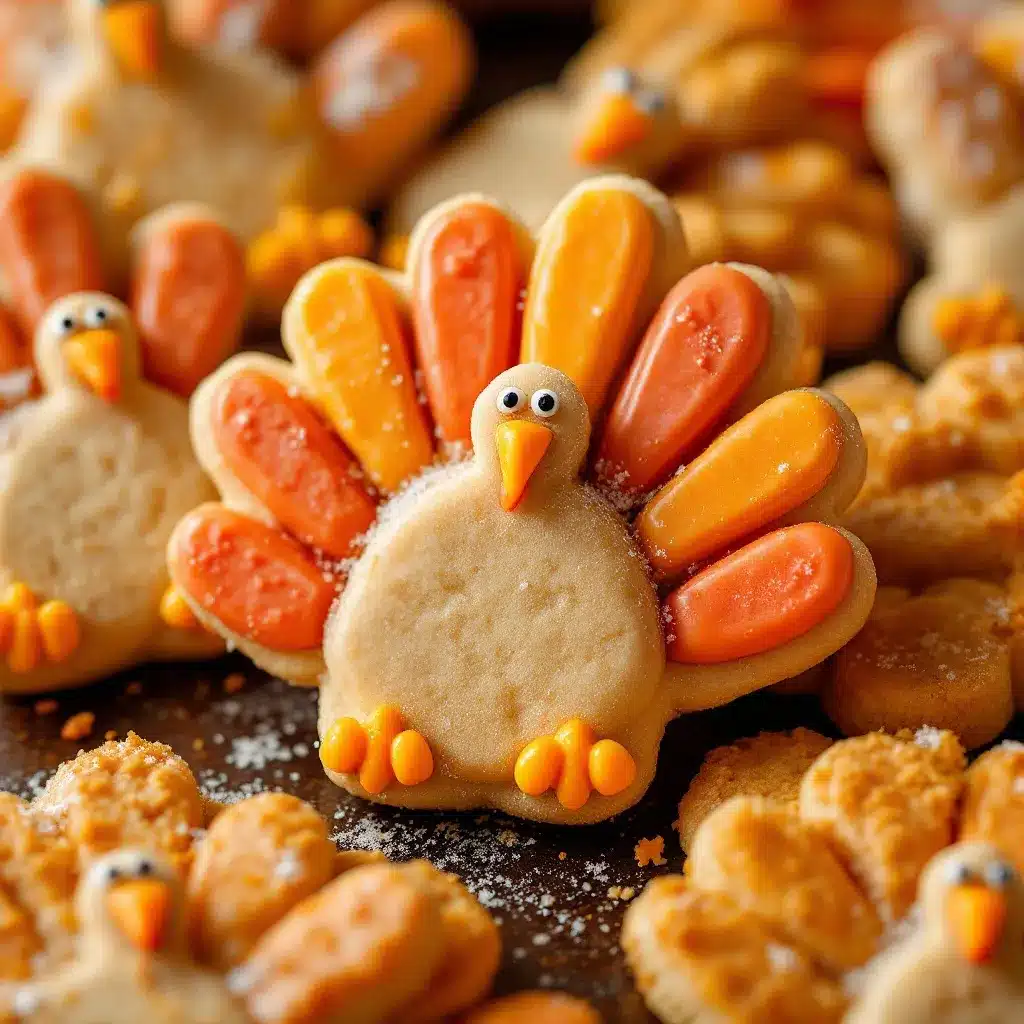
Then I tried it. Just one batch. I traced my son’s hand on the parchment paper. The smell of baking butter and vanilla filled the kitchen, which was promising. When they came out of the oven, they held their shape. They didn’t sag. They didn’t crack in the middle. They looked exactly like the photo, but better because they smelled fresh.
The first bite was the turning point. It was crisp at the edges and chewy in the center, with a subtle sweetness that didn’t overwhelm the palate. My kids went wild. Not the screaming kind of wild, but the quiet, focused kind where they are too busy enjoying their treat to talk. That was the moment I knew. This wasn’t just a cute gimmick. It was a legitimate, delicious recipe that actually works. I still use this method every November now. It’s become a tradition, a small moment of joy before the holiday chaos really starts.
Why You’ll Love This Recipe
Quick & Easy
These cookies come together in under 45 minutes, from prep to plate. They are perfect for busy weeknights or last-minute school Thanksgiving parties when you need something impressive but fast. You don’t need hours of chilling time if you use the right butter technique.
Simple Ingredients
No fancy grocery trips needed. You likely already have everything in your kitchen pantry. Flour, sugar, butter, egg, and vanilla are the core components. It’s wholesome and straightforward, which means you know exactly what your family is eating.
Perfect for Kids
This is the ultimate kid-friendly activity. Letting them trace their hands makes them feel involved and proud. It turns baking into a game rather than a chore. It’s a great way to get them interested in the kitchen without the stress of complex measurements.
Crowd-Pleaser
Always gets rave reviews from kids and adults alike. The shape is fun, but the flavor is what keeps people coming back. It’s not just for Thanksgiving; it works for any fall gathering or autumn-themed party. The visual appeal is high, but the taste backs it up.
Unbelievably Delicious
The texture and flavor combo is next-level comfort food. The cookie has that classic snap and crumbly melt-in-your-mouth quality that defines a great sugar cookie. It isn’t just good—it is the kind that makes you close your eyes after the first bite. It’s comfort food reimagined—healthier, faster, but with the same soul-soothing satisfaction. Perfect for impressing guests without stress, or turning a simple meal into something memorable.
What Ingredients You Will Need
This recipe uses simple, wholesome ingredients to deliver bold flavor and satisfying texture without the fuss. The beauty of sugar cookies lies in the balance of fat, sugar, and flour. Getting these ratios right ensures your cookies hold their shape during baking, which is crucial for the hand turkey design. You don’t need specialty items, just high-quality basics.
- All-purpose flour (2 1/4 cups / 280g) — The foundation. Use a reliable brand like King Arthur for consistent protein content, which helps structure.
- Unsalted butter (1 cup / 225g) — Softened to room temperature. This is non-negotiable for creaming properly. Cold butter won’t incorporate air, leading to dense cookies.
- Granulated sugar (1 cup / 200g) — Provides sweetness and helps create the crisp edges. White sugar is preferred over brown for this specific texture.
- Powdered sugar (1/2 cup / 60g) — Adds tenderness and helps keep the cookies soft in the center while staying crisp outside.
- Large egg (1) — Room temperature. Acts as the binder. Cold eggs can cause the butter to seize up slightly, so let it sit out for 30 minutes.
- Vanilla extract (2 teaspoons) — Use pure vanilla, not imitation. The flavor profile needs to be rich and aromatic to complement the butter.
- Baking powder (1 teaspoon) — The leavening agent. It gives the cookies a slight lift without making them cakey.
- Salt (1/2 teaspoon) — Balances the sweetness and enhances the overall flavor. Don’t skip this, even if you like sweet cookies.
- Food coloring gel (optional) — Gel colors are preferred over liquid because they don’t add extra water, which can throw off the dough consistency. Autumn shades like orange, brown, and red work best.
For the most vibrant colors, look for concentrated gel food coloring brands like AmeriColor or Wilton. Liquid food coloring can make your dough too wet, causing the cookies to spread too much. If you are making these for a school party, always check for nut allergies in the group, though this recipe is naturally nut-free.
Equipment Needed
You don’t need a lot of fancy gadgets to make these hand turkey cookies. A large mixing bowl is essential for creaming the butter and sugar. An electric hand mixer or stand mixer makes this step much faster and ensures you get that fluffy texture. If you don’t have a mixer, a strong arm and a wooden spoon will work, but it will take longer.
Rolling pins are necessary if you want uniform thickness. A standard wooden rolling pin works fine. You also need parchment-lined baking sheets. Parchment paper is better than silicone mats for this recipe because it prevents sticking and helps with even baking. If you don’t have parchment, you can use silicone mats, but watch the baking time closely as they can sometimes brown the bottoms too much.
A sharp knife or a small cookie cutter is needed to trim the hand shapes. While you can cut freehand with a knife, a simple turkey-shaped cookie cutter can help beginners get a cleaner outline. However, the charm of these cookies is their handmade look, so imperfect edges are part of the fun. A small offset spatula is helpful for transferring cookies from the pan to the cooling rack without breaking them.
Preparation Method
- Cream the butter and sugars (3 minutes). In a large bowl, beat the softened butter, granulated sugar, and powdered sugar together on medium-high speed. You want this mixture to become pale and fluffy. This step incorporates air, which helps the cookies rise slightly. Scrape down the sides of the bowl with a spatula to ensure even mixing.
- Add the egg and vanilla (1 minute). Beat in the room-temperature egg and vanilla extract until fully combined. The mixture might look slightly curdled at first, which is normal. Keep beating until it comes back together into a smooth, glossy batter.
- Combine dry ingredients (2 minutes). In a separate medium bowl, whisk together the flour, baking powder, and salt. Sifting is optional but recommended if your flour is clumpy. Gradually add the dry ingredients to the wet mixture on low speed. Mix just until the flour disappears. Overmixing at this stage can develop gluten and make the cookies tough.
- Divide and color the dough (5 minutes). Split the dough into three equal portions. Keep one portion plain for the turkey body. Add orange gel food coloring to one portion for the wattle and beak. Add brown or red gel coloring to the last portion for the tail feathers. Knead the color into the dough until evenly distributed. If the dough feels too sticky, chill it for 15 minutes.
- Chill the dough (30 minutes). This is the most important step for shape retention. Wrap each portion in plastic wrap and refrigerate. Cold dough is easier to handle and prevents spreading in the oven. If you are short on time, you can freeze the dough balls for 15 minutes.
- Preheat oven and prepare trays (5 minutes). Preheat your oven to 350°F (175°C). Line two large baking sheets with parchment paper. Ensure your oven rack is in the center position for even heat distribution.
- Trace and cut the hands (10 minutes). Have your kids trace their hands on the parchment paper. Use a marker or a thin line of dough to outline. Cut out the shapes using a sharp knife or pizza cutter. Try to keep the shapes close to the edges of the parchment to maximize cookie yield. Place the cutouts on the prepared baking sheets, spacing them about two inches apart.
- Add the turkey details (5 minutes). Roll the colored dough portions into small balls. Place the orange balls on the face for the beak and wattle. Arrange the brown/red balls along the bottom edge of the hand shape to create tail feathers. Press them gently into the dough so they adhere during baking.
- Bake until set (10-12 minutes). Bake the cookies for 10 to 12 minutes. They are done when the edges are just starting to turn golden brown. The centers should still look slightly soft. Do not overbake, or they will become hard. The residual heat will continue to cook them as they cool.
- Cool completely (20 minutes). Let the cookies cool on the baking sheet for 5 minutes before transferring them to a wire rack. This allows them to set and firm up. Handling them while warm will cause them to break. Let them cool completely before storing or decorating further.
Cooking Tips & Techniques
One common mistake people make is using butter that is too soft. If your butter is melting or oily, your cookies will spread into flat circles instead of holding the hand shape. Aim for butter that leaves a fingerprint but doesn’t squish out. If you are in a warm kitchen, consider chilling your mixing bowl first.
Another tip is to not overwork the dough after adding the flour. Mix until the streaks of flour are gone, then stop. Overmixing develops gluten, which leads to tough, chewy cookies instead of tender, crumbly ones. You want a soft, pliable dough, not a stiff bread dough.
When tracing hands, try to keep the fingers spread out slightly. This gives you more surface area for the tail feathers and makes the turkey look more recognizable. If the dough cracks when you press the feathers on, your dough might be too cold. Let it sit at room temperature for a few minutes before adding details.
Rotate your baking sheets halfway through the bake time. Most ovens have hot spots, and rotating ensures even browning on all cookies. If your cookies are spreading too much, your oven might be too hot. Use an oven thermometer to check the actual temperature.
Variations & Adaptations
While the classic orange and brown feathers are traditional, you can get creative. Try using red and yellow food coloring for a more vibrant, fall-inspired look. Some people add a dash of pumpkin pie spice to the dough for an extra autumn flavor. This pairs beautifully with the vanilla.
For a gluten-free option, you can substitute the all-purpose flour with a 1:1 gluten-free baking flour blend. Look for a blend that includes xanthan gum, as this helps mimic the elasticity of wheat gluten. The texture might be slightly more delicate, so handle with care.
If you want to make these dairy-free, use a high-quality plant-based butter stick instead of regular butter. Coconut oil can also work, but it has a distinct flavor that might alter the taste. Almond milk can replace the egg if needed, though the texture will be slightly different.
For a healthier twist, consider swapping half the granulated sugar for coconut sugar. This adds a subtle caramel note and lowers the glycemic index slightly. However, it may change the color of the cookies to a darker shade.
Serving & Storage Suggestions
These cookies are best served at room temperature. They pair well with a cold glass of milk or a warm cup of cider. For a festive presentation, arrange them on a platter with some autumn leaves or small pumpkins as garnish. They make a great addition to a Thanksgiving dessert table or a fall-themed party.
To store, keep the cookies in an airtight container at room temperature for up to one week. Place a piece of bread in the container to help keep them soft. If you prefer crisp cookies, leave them uncovered for a day after baking. They can also be frozen for up to three months. Freeze the baked cookies in a single layer, then transfer to a freezer bag.
Reheat frozen cookies in the microwave for 10-15 seconds to restore softness. The flavors develop slightly over the first 24 hours as the ingredients meld together. Avoid refrigerating the cookies, as the moisture can make them soggy.
Nutritional Information & Benefits
Each cookie contains approximately 120 calories, with 6g of fat, 16g of carbohydrates, and 1g of protein. These values are estimates and can vary based on the size of the hand and the amount of dough used for decorations. The recipe is naturally nut-free, making it safe for many school environments. However, it contains dairy and gluten, so those with allergies should note this.
While these are a treat, they offer a moment of joy and creativity. Baking with kids can also be a educational experience, teaching them about measurements, chemistry, and patience. The use of whole eggs provides protein, and the butter offers fat for satiety. Enjoy them in moderation as part of a balanced diet.
Conclusion
Fun Hand Turkey Sugar Cookies for Kids are more than just a cute snack. They are a way to connect with your children, create memories, and enjoy a delicious treat together. The recipe is simple, forgiving, and reliable. I encourage you to try it this Thanksgiving. Let your kids trace their hands and watch their creativity shine. Share your results with friends and family, and don’t forget to leave a comment below with your own variations. Happy baking!
Frequently Asked Questions
Can I use brown sugar instead of white sugar?
It is not recommended. Brown sugar contains molasses, which adds moisture and acidity. This can cause the cookies to spread too much and lose their shape. Stick to granulated and powdered sugar for the best results.
Why did my cookies spread in the oven?
This usually happens if the butter was too soft or the dough was not chilled enough. Make sure your butter is softened but still holds its shape. Chilling the dough for at least 30 minutes is crucial for maintaining the hand turkey outline.
Can I freeze the dough before baking?
Yes, you can. Shape the cookies and place them on a baking sheet. Freeze until solid, then transfer to a freezer bag. Bake from frozen, adding 1-2 minutes to the baking time. This is a great option for meal prepping.
What if I don’t have gel food coloring?
You can use liquid food coloring, but add it sparingly. Liquid coloring adds water to the dough, which can affect the texture. Add it drop by drop until you reach the desired color. You may need to chill the dough longer if it becomes too sticky.
How do I get the feathers to stick?
Roll the colored dough into small balls and press them gently into the main dough. If they are not sticking, you can add a tiny dot of water or egg white to the attachment point to act as glue. This ensures they stay in place during baking.
Pin This Recipe!

Fun Hand Turkey Sugar Cookies: Easy Thanksgiving Treats
These crisp-edged, chewy-center sugar cookies are shaped like turkeys using hand tracings, making them a fun, kid-friendly Thanksgiving treat that holds its shape and tastes delicious.
- Prep Time: 30 minutes
- Cook Time: 12 minutes
- Total Time: 45 minutes
- Yield: Approximately 12-15 cookies depending on hand size 1x
- Category: Dessert
- Cuisine: American
Ingredients
- 2 1/4 cups (280g) all-purpose flour
- 1 cup (225g) unsalted butter, softened to room temperature
- 1 cup (200g) granulated sugar
- 1/2 cup (60g) powdered sugar
- 1 large egg, room temperature
- 2 teaspoons pure vanilla extract
- 1 teaspoon baking powder
- 1/2 teaspoon salt
- Gel food coloring (orange, brown, red) for decoration
Instructions
- Cream the softened butter, granulated sugar, and powdered sugar together on medium-high speed for 3 minutes until pale and fluffy. Scrape down the sides of the bowl.
- Beat in the room-temperature egg and vanilla extract for 1 minute until fully combined and smooth.
- Whisk together the flour, baking powder, and salt in a separate bowl. Gradually add dry ingredients to the wet mixture on low speed, mixing just until the flour disappears.
- Divide the dough into three portions. Keep one plain, color one with orange gel coloring, and one with brown/red gel coloring. Knead colors in evenly. Chill if too sticky.
- Wrap dough portions in plastic wrap and refrigerate for 30 minutes to ensure shape retention.
- Preheat oven to 350°F (175°C) and line two large baking sheets with parchment paper.
- Trace hands on parchment paper and cut out shapes. Place cutouts on baking sheets, spacing them 2 inches apart.
- Roll colored dough into small balls. Attach orange balls for the beak/wattle and brown/red balls for tail feathers, pressing gently into the dough.
- Bake for 10-12 minutes until edges are golden brown but centers look slightly soft. Rotate sheets halfway through baking.
- Cool on the baking sheet for 5 minutes, then transfer to a wire rack to cool completely.
Notes
Ensure butter is softened but not melting to prevent spreading. Do not overmix the dough after adding flour to avoid tough cookies. Chill dough thoroughly to maintain the hand shape. Gel food coloring is preferred over liquid to maintain dough consistency.
Nutrition
- Serving Size: 1 cookie
- Calories: 120
- Sugar: 12
- Sodium: 150
- Fat: 6
- Saturated Fat: 3.5
- Carbohydrates: 16
- Fiber: 0.5
- Protein: 1
Keywords: Thanksgiving cookies, sugar cookies, hand turkey, kid-friendly baking, fall treats, easy cookies, holiday baking