That jar of sourdough discard sitting in the back of your fridge—the one you keep meaning to feed but haven’t quite gotten to—actually has a secret life. And honestly, it might be the best thing you accidentally let happen all week. The tangy, fermented smell that hits you when you pop the lid open? That’s not a problem waiting to be solved. That’s potential.
I stumbled onto this combination by accident last October. My starter was hungry, I had a can of pumpkin puree left over from a baking project, and the usual sourdough discard recipes (crackers, pancakes, the same old same old) just weren’t calling my name. I wanted something that tasted like fall but didn’t require a complicated feeding schedule or a three-day fermentation window. Something that felt like a real treat, not a science experiment.
So I threw caution to the wind and mixed my unfed starter with pumpkin, cinnamon, and a little brown sugar. What came out of the oven was so much better than I expected. The crumb was tender, the texture was almost cake-like, and the flavor had this subtle tang that played perfectly against the warm spices. My husband ate half the loaf before it even cooled all the way down.
This pumpkin spice sourdough discard bread has become my go-to for using up discard without any fuss. No kneading, no stretch-and-folds, no complicated schedules. Just mix, pour, and bake. It’s the kind of recipe that makes you feel like a genius in the kitchen, even when you’re just trying to clean out your refrigerator.
Why You’ll Love This Recipe
Let me tell you why this particular loaf has earned a permanent spot in my fall baking rotation. It’s not just another pumpkin bread recipe—it’s the one that actually delivers on flavor without making you jump through hoops.
- Uses Up Discard Without the Guilt : That jar of unfed starter finally has a purpose beyond the compost bin. This recipe uses a full cup of discard, so you can clean out your starter and bake something amazing at the same time.
- No Complicated Techniques : There’s no kneading, no folding, no waiting for a second rise. If you can stir ingredients together in a bowl, you can make this bread. It’s genuinely that simple.
- Perfectly Spiced : The pumpkin spice blend hits all the right notes—warm, cozy, and aromatic without being overpowering. The sourdough tang cuts through the sweetness in a way that makes each bite interesting.
- Incredibly Moist : Pumpkin puree does double duty here, adding moisture and natural sweetness. This bread stays soft for days (if it lasts that long).
- No Special Equipment Needed : You don’t need a stand mixer, a bread proofer, or any fancy tools. Just a loaf pan, a mixing bowl, and an oven.
- Versatile and Forgiving : You can add chocolate chips, nuts, or dried fruit. You can swap the oil for applesauce. You can even make it dairy-free. This recipe handles substitutions like a champ.
I’ve tested this recipe at least a dozen times, tweaking the ratios and testing different hydration levels. What I’m sharing with you today is the version that consistently produces a tender, flavorful loaf with that perfect domed top. It’s foolproof enough for beginner bakers but interesting enough for experienced sourdough enthusiasts who want something new.
What Ingredients You Will Need
This recipe relies on simple, pantry-friendly ingredients that work together to create something special. Here’s what you’ll need and why each one matters.
For the Bread:
- 1 cup (240g) sourdough discard (unfed, straight from the fridge) — The discard adds that signature tangy flavor and helps create a tender crumb. Use it straight from the fridge; no need to bring it to room temperature.
- 1 cup (245g) pumpkin puree — Not pumpkin pie filling! Make sure you’re using 100% pure pumpkin puree. I prefer Libby’s for its consistent texture and flavor.
- 1/2 cup (120ml) vegetable oil — Keeps the bread incredibly moist. You can substitute melted coconut oil or melted butter if you prefer.
- 3/4 cup (150g) brown sugar (packed) — Brown sugar adds deeper flavor than white sugar thanks to the molasses content. It also helps keep the bread tender.
- 2 large eggs (room temperature) — Eggs provide structure and help the bread rise. Room temperature eggs incorporate more easily into the batter.
- 1 teaspoon vanilla extract — Enhances the warm spices and rounds out the flavor.
- 1 1/2 cups (190g) all-purpose flour — Regular all-purpose flour works perfectly here. Spoon and level it into your measuring cup for accuracy.
- 1 teaspoon baking soda — This is the only leavening agent you need. The baking soda reacts with the acidic sourdough discard to create lift.
- 1/2 teaspoon baking powder — Provides a little extra lift for a nice domed top.
- 1/2 teaspoon salt — Balances the sweetness and enhances all the flavors.
- 2 teaspoons pumpkin pie spice — You can use store-bought or make your own blend (see note below).
For the Pumpkin Spice Blend (if making your own):
- 1 teaspoon cinnamon
- 1/2 teaspoon ginger
- 1/4 teaspoon nutmeg
- 1/4 teaspoon allspice
- Pinch of cloves
Ingredient Tips and Substitutions:
If you’re out of brown sugar, you can use 3/4 cup white sugar mixed with 1 tablespoon molasses. It’s not quite the same, but it works in a pinch. For a dairy-free version, use coconut oil or any neutral oil—just make sure it’s melted and cooled if using coconut oil.
The sourdough discard should be unfed and can be any hydration level between 100% and 150%. If your discard is particularly thick or thin, you might need to adjust the flour slightly. A thicker discard will give you a denser crumb; a thinner one will produce a slightly more tender loaf.
For the pumpkin puree, I’ve tested this with both canned and homemade roasted pumpkin. Canned is more consistent and convenient, but homemade works beautifully if you have it on hand. Just make sure to drain any excess liquid from homemade puree before measuring.
If you’re feeling adventurous, try adding 1/2 cup of chocolate chips, chopped pecans, or dried cranberries to the batter. Each addition brings something different to the table, and they all work wonderfully with the pumpkin spice flavor.
Equipment Needed
You don’t need a professional bakery setup for this recipe. Here’s what you’ll actually use:
- 9×5-inch loaf pan — This is the standard size for this recipe. An 8×4-inch pan will work but will produce a taller loaf that might take longer to bake.
- Large mixing bowl — For combining wet ingredients.
- Medium mixing bowl — For whisking dry ingredients.
- Whisk and rubber spatula — A whisk for the dry ingredients and a spatula for folding everything together.
- Parchment paper — Line your loaf pan for easy removal. This is optional but highly recommended.
- Cooling rack — Essential for letting the bread cool properly so it doesn’t get soggy on the bottom.
- Measuring cups and spoons — For accuracy. A kitchen scale is even better if you have one.
If you don’t have parchment paper, you can grease the loaf pan thoroughly with butter or non-stick spray. Just make sure to get the corners well. I’ve forgotten to line my pan before, and let me tell you, prying pumpkin bread out of a sticky pan is not a fun experience. Learn from my mistakes.
A kitchen scale is worth its weight in gold for baking, but it’s not strictly necessary here. If you’re measuring by volume, just remember to spoon and level your flour rather than scooping directly from the bag. Scooping compacts the flour and can result in a dry, dense loaf.
Preparation Method
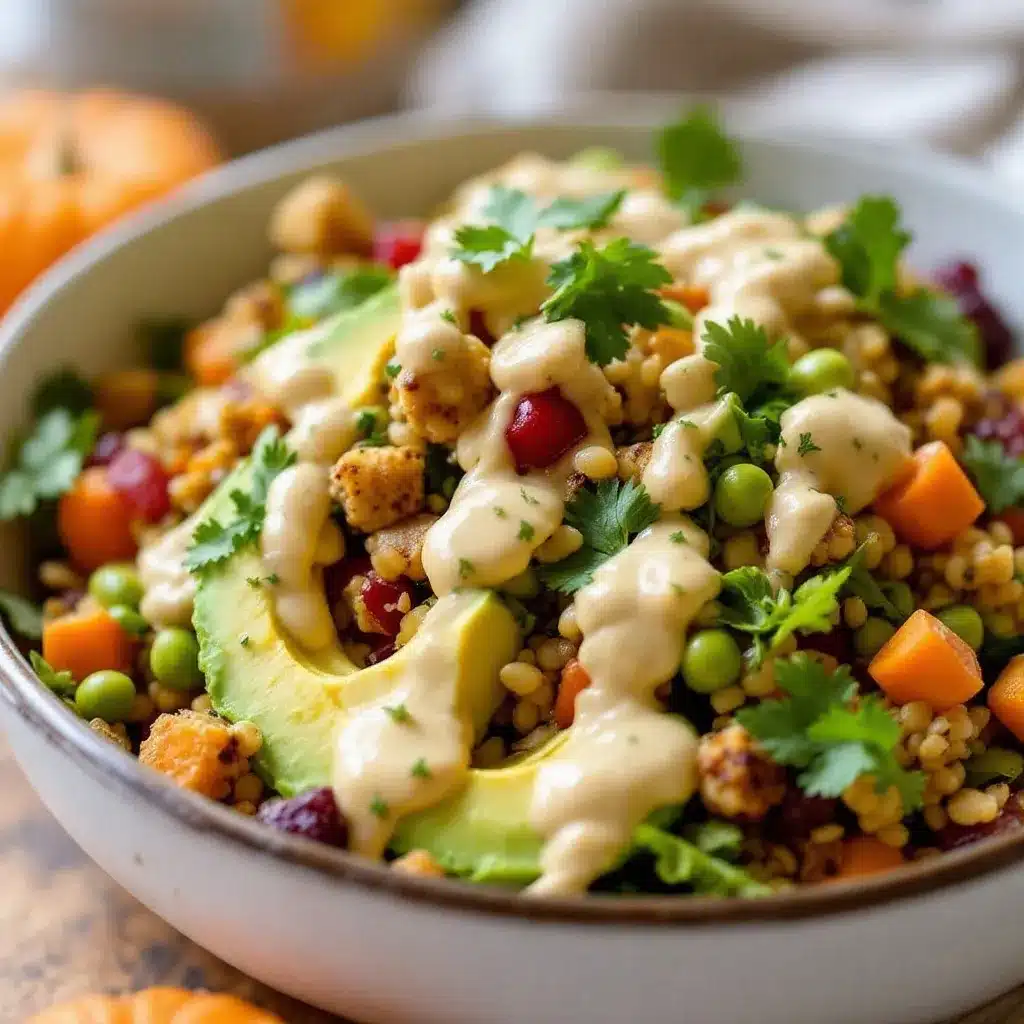
This is where the magic happens. Follow these steps, and you’ll have a beautiful loaf of pumpkin spice sourdough discard bread in about an hour.
- Preheat your oven to 350°F (175°C). Position the rack in the center of the oven. Line your 9×5-inch loaf pan with parchment paper, leaving some overhang on the long sides for easy lifting. If you’re not using parchment, grease the pan thoroughly with butter or non-stick spray.
- In a large mixing bowl, combine the wet ingredients. Add the sourdough discard, pumpkin puree, vegetable oil, brown sugar, eggs, and vanilla extract. Whisk everything together until smooth and well combined. The mixture should be thick but pourable, with a beautiful orange color. Don’t worry if there are a few small lumps—they’ll work themselves out.
- In a separate medium bowl, whisk together the dry ingredients. Combine the all-purpose flour, baking soda, baking powder, salt, and pumpkin pie spice. Whisk thoroughly to distribute the leavening agents and spices evenly. This step matters more than you think—nobody wants a pocket of baking soda in their slice.
- Add the dry ingredients to the wet ingredients. Pour the flour mixture into the bowl with the pumpkin mixture. Use a rubber spatula to fold everything together gently. Stir just until no streaks of flour remain. Overmixing will develop the gluten and make your bread tough, so stop as soon as everything comes together. The batter will be thick and slightly sticky.
- Pour the batter into the prepared loaf pan. Use the spatula to spread it evenly into the corners. Smooth the top gently. If you want, you can sprinkle a little coarse sugar or pumpkin seeds on top before baking for some crunch.
- Bake for 50-60 minutes. The bread is done when a toothpick inserted into the center comes out clean or with just a few moist crumbs. If the top is browning too quickly (after about 30-35 minutes), tent the pan loosely with aluminum foil to prevent burning.
- Let the bread cool in the pan for 10 minutes. This allows the structure to set before you try to remove it. After 10 minutes, lift the bread out using the parchment overhang and transfer it to a cooling rack. Let it cool completely before slicing—about 1-2 hours. I know it’s tempting to cut into it warm, but the texture really benefits from cooling fully.
Troubleshooting Tips:
If your bread sinks in the middle after baking, it might be underbaked or the oven temperature might be too low. Make sure your oven is actually at 350°F—oven thermostats can be off by 25 degrees or more.
If the top cracks dramatically, that’s actually a good sign. It means your bread rose properly. A little cracking is perfectly normal and even desirable.
If your bread is too dense, you might have overmixed the batter or used too much flour. Remember to spoon and level your flour, and stop mixing as soon as the ingredients come together.
Cooking Tips & Techniques
Over the many times I’ve made this bread, I’ve picked up a few tricks that make the process smoother and the results more consistent.
Room temperature ingredients matter. Cold eggs can seize up the batter and make it harder to mix evenly. Take your eggs out of the fridge about 30 minutes before you start baking. If you forget, place them in a bowl of warm water for 5 minutes.
Don’t skip the parchment paper. I know it’s an extra step, but it makes removing the bread so much easier. Plus, it means you can wash your loaf pan with minimal effort. Win-win.
Check for doneness early. Every oven runs differently. Start checking your bread at the 50-minute mark. Insert a toothpick or skewer into the center—if it comes out clean, it’s done. If there’s wet batter on it, give it another 5 minutes and check again.
Let it cool completely. I cannot stress this enough. If you slice into warm bread, it will be gummy and fall apart. The bread continues to set as it cools, and the flavors meld together. Patience pays off here.
Use a kitchen scale for accuracy. If you have one, weighing your ingredients is the most reliable way to get consistent results. Flour can vary wildly in volume depending on how it’s measured, but 190 grams is always 190 grams.
I once forgot to add the baking soda to a batch. The bread came out flat, dense, and frankly, kind of sad. It still tasted okay, but it was definitely not the showstopper I was hoping for. So double-check that you’ve added all your leavening agents before the batter goes in the pan.
Variations & Adaptations
This recipe is incredibly flexible. Here are some variations I’ve tried and loved.
Chocolate Chip Pumpkin Spice Bread: Fold 1/2 cup of semi-sweet chocolate chips into the batter before pouring it into the pan. The chocolate pairs beautifully with the warm spices and adds little pockets of melty goodness throughout the loaf.
Vegan Version: Replace the eggs with flax eggs (2 tablespoons ground flaxseed mixed with 6 tablespoons water, let sit for 5 minutes). Use coconut oil or a neutral vegetable oil. The texture will be slightly denser but still delicious.
Gluten-Free Adaptation: Substitute the all-purpose flour with a 1:1 gluten-free baking flour blend. I’ve had good results with Bob’s Red Mill 1:1 Baking Flour. Add an extra tablespoon of flour to account for the different absorption rate of gluten-free flours.
Nutty Pumpkin Bread: Fold 1/2 cup of toasted chopped pecans or walnuts into the batter. The crunch adds a lovely contrast to the soft crumb. Toast the nuts first in a dry pan for 3-4 minutes to bring out their flavor.
Streusel Topping: Mix 1/4 cup flour, 1/4 cup brown sugar, 2 tablespoons cold butter, and 1/2 teaspoon cinnamon until crumbly. Sprinkle over the batter before baking for a crunchy, sweet topping that takes this bread to the next level.
Lower Sugar Option: Reduce the brown sugar to 1/2 cup. The bread will be less sweet but still flavorful. You might want to add an extra tablespoon of maple syrup or honey to compensate.
I once made a version with dried cranberries and orange zest, and it was absolutely fantastic for holiday mornings. The tartness of the cranberries cuts through the sweetness, and the orange brightens everything up.
Serving & Storage Suggestions
This bread is incredibly versatile when it comes to serving. Here’s how I like to enjoy it.
Serving Temperature: This bread is excellent at room temperature, but it’s also wonderful lightly toasted. Pop a slice in the toaster or under the broiler for a minute or two, then spread it with butter or cream cheese. The warmth brings out the spices and makes the texture even more tender.
Perfect Pairings: Serve slices with a pat of salted butter, a drizzle of honey, or a smear of cream cheese. For a more decadent treat, top with a dollop of whipped cream or a scoop of vanilla ice cream. It also pairs beautifully with a hot cup of coffee, chai tea, or spiced apple cider.
Storage: Store the bread in an airtight container at room temperature for up to 3 days. If your kitchen is particularly warm or humid, you can store it in the refrigerator, but it will dry out slightly faster.
Freezing Instructions: This bread freezes beautifully. Let it cool completely, then wrap it tightly in plastic wrap followed by a layer of aluminum foil. Freeze for up to 3 months. To thaw, leave it on the counter overnight or pop individual slices in the microwave for 20-30 seconds.
Flavor Development: The flavors actually improve after a day or two. The spices meld together, and the sourdough tang becomes more pronounced. So don’t be afraid to make this bread a day ahead—it might even be better.
If you’re looking for more ways to use up sourdough discard, you might enjoy these easy gluten-free pretzel bites or this gluten-free cornbread muffins recipe for another delicious option.
Nutritional Information & Benefits
Here’s the estimated nutritional breakdown for one slice (based on 10 slices per loaf):
- Calories: 285
- Total Fat: 12g
- Saturated Fat: 2g
- Cholesterol: 37mg
- Sodium: 258mg
- Total Carbohydrates: 40g
- Dietary Fiber: 2g
- Sugars: 18g
- Protein: 5g
Health Benefits: Pumpkin is packed with vitamin A, which supports eye health and immune function. The sourdough fermentation process makes the bread easier to digest for some people, as the fermentation breaks down some of the gluten and phytic acid. The fiber from the pumpkin and flour helps keep you full and satisfied.
Dietary Considerations: This recipe is vegetarian. It can be made vegan with the substitutions mentioned above. It contains gluten, eggs, and dairy (if using butter for greasing). For a nut-free version, skip any nut additions.
I personally love that this bread feels indulgent but isn’t loaded with refined sugar or unhealthy fats. It’s the kind of treat you can feel good about eating for breakfast or dessert.
Conclusion
This pumpkin spice sourdough discard bread has become a staple in my kitchen for one simple reason: it works. It uses up something you’d otherwise toss, requires minimal effort, and produces a loaf that tastes like you spent hours in the kitchen. The combination of tangy sourdough and warm pumpkin spice is unexpected but absolutely perfect.
I hope you give this recipe a try, whether you’re a seasoned sourdough baker or someone who just ended up with a jar of discard and no idea what to do with it. Feel free to customize it to your taste—add chocolate chips, swap the spices, throw in some nuts. That’s the beauty of baking.
If you make this bread, I’d love to hear about it. Drop a comment below and let me know how it turned out. Did you add any fun mix-ins? Did you serve it with something special? Your feedback helps other readers, and it honestly makes my day to hear about your baking adventures.
Happy baking, friends. May your kitchen smell like fall and your loaf come out perfectly domed.
Frequently Asked Questions
Can I use active sourdough starter instead of discard?
Yes, you can! If you use active, bubbly starter, the bread will rise a bit more and have a slightly milder tang. The texture will be similar, though maybe a touch airier. Just make sure your starter is at room temperature before using.
Can I make this recipe without a loaf pan?
Absolutely. You can bake the batter in a greased 8×8-inch square pan for about 35-40 minutes, or you can make muffins (fill greased muffin cups about 3/4 full and bake for 18-22 minutes). The baking time will vary, so keep an eye on them.
Why did my bread sink in the middle?
This usually happens when the bread is underbaked or the oven temperature is too low. Make sure your oven is preheated to 350°F and use an oven thermometer to verify the temperature. Also, avoid opening the oven door during the first 30 minutes of baking.
Can I reduce the sugar in this recipe?
Yes, you can reduce the brown sugar to 1/2 cup without significantly affecting the texture. The bread will be less sweet, so you might want to add a little extra pumpkin pie spice to compensate. Keep in mind that sugar also contributes to moisture, so reducing it too much could make the bread drier.
How do I know when the bread is fully baked?
Insert a toothpick or skewer into the center of the loaf. If it comes out clean or with just a few moist crumbs (not wet batter), the bread is done. The top should be golden brown and spring back lightly when touched. If the top is browning too quickly, tent it with foil.
Pin This Recipe!
Easy Pumpkin Spice Sourdough Discard Bread

This easy pumpkin spice sourdough discard bread uses up a full cup of unfed starter for a tender, cake-like loaf with warm fall spices. No kneading, no complicated techniques—just mix, pour, and bake for a delicious treat that tastes like autumn.
- Prep Time: 15 minutes
- Cook Time: 55 minutes
- Total Time: 1 hour 10 minutes
- Yield: 10 servings 1x
- Category: Bread
- Cuisine: American
Ingredients
- 1 cup (240g) sourdough discard (unfed, straight from the fridge)
- 1 cup (245g) pumpkin puree (100% pure, not pumpkin pie filling)
- 1/2 cup (120ml) vegetable oil
- 3/4 cup (150g) brown sugar (packed)
- 2 large eggs (room temperature)
- 1 teaspoon vanilla extract
- 1 1/2 cups (190g) all-purpose flour
- 1 teaspoon baking soda
- 1/2 teaspoon baking powder
- 1/2 teaspoon salt
- 2 teaspoons pumpkin pie spice
- For the Pumpkin Spice Blend (if making your own): 1 teaspoon cinnamon, 1/2 teaspoon ginger, 1/4 teaspoon nutmeg, 1/4 teaspoon allspice, pinch of cloves
Instructions
- Preheat your oven to 350°F (175°C). Position the rack in the center of the oven. Line your 9×5-inch loaf pan with parchment paper, leaving some overhang on the long sides for easy lifting. If you’re not using parchment, grease the pan thoroughly with butter or non-stick spray.
- In a large mixing bowl, combine the wet ingredients: sourdough discard, pumpkin puree, vegetable oil, brown sugar, eggs, and vanilla extract. Whisk everything together until smooth and well combined.
- In a separate medium bowl, whisk together the dry ingredients: all-purpose flour, baking soda, baking powder, salt, and pumpkin pie spice. Whisk thoroughly to distribute evenly.
- Add the dry ingredients to the wet ingredients. Use a rubber spatula to fold everything together gently. Stir just until no streaks of flour remain. Do not overmix.
- Pour the batter into the prepared loaf pan. Use the spatula to spread it evenly into the corners. Smooth the top gently. If desired, sprinkle coarse sugar or pumpkin seeds on top.
- Bake for 50-60 minutes. The bread is done when a toothpick inserted into the center comes out clean or with just a few moist crumbs. If the top is browning too quickly (after about 30-35 minutes), tent the pan loosely with aluminum foil.
- Let the bread cool in the pan for 10 minutes. After 10 minutes, lift the bread out using the parchment overhang and transfer it to a cooling rack. Let it cool completely before slicing—about 1-2 hours.
Notes
Use sourdough discard straight from the fridge; no need to bring to room temperature. For best results, use a kitchen scale for accuracy. The bread can be stored in an airtight container at room temperature for up to 3 days, or frozen for up to 3 months. The flavors improve after a day or two. For a dairy-free version, use coconut oil or any neutral oil. For a vegan version, replace eggs with flax eggs (2 tablespoons ground flaxseed mixed with 6 tablespoons water). For a gluten-free version, substitute all-purpose flour with a 1:1 gluten-free baking flour blend and add an extra tablespoon of flour.
Nutrition
- Serving Size: 1 slice
- Calories: 285
- Sugar: 18
- Sodium: 258
- Fat: 12
- Saturated Fat: 2
- Carbohydrates: 40
- Fiber: 2
- Protein: 5
Keywords: pumpkin spice, sourdough discard, pumpkin bread, fall baking, easy bread recipe, sourdough discard recipe, pumpkin spice bread