My roommate Jenna looked at me like I had lost my mind. I was standing over our sad little hot plate—the one the RA definitely didn’t know about—holding a packet of instant ramen in one hand and an egg in the other. “You’re going to ruin both of those,” she said, not looking up from her textbook. Honestly, I thought she might be right. Carbonara is one of those fancy Italian things that takes technique and patience and real parmesan cheese that costs actual money. None of which we had. But I was desperate for something that didn’t taste like the inside of the packet, you know? Something warm and creamy that felt like a real meal instead of a concession. So I cracked the egg, stirred like crazy, and held my breath. What came out of that pot was so good Jenna stole half of it. And that is how this Easy One-Pot Ramen Carbonara for College Students was born—out of hunger, skepticism, and a hot plate that refuses to die.
This isn’t fancy. It’s not traditional. But it is ridiculously good, takes under ten minutes, and uses ingredients you probably already have in your dorm kitchen. No cream, no pancetta, no stress. Just ramen, eggs, and a little bit of faith.
Why You’ll Love This Recipe
Let me tell you why this one sticks. I have tested this version at least a dozen times—sometimes at 2 a.m., sometimes with whatever random ingredients Jenna had stashed in her drawer. Every single time, it worked. That is the kind of reliability you need when you are living on a meal plan budget and a microwave.
- One Pot, No Mess : Everything happens in one pot. No colander, no extra bowls, no sink full of dishes. Just you, a pot, and dinner in under ten minutes.
- Budget-Friendly : Ramen costs pocket change. Eggs are cheap. You probably already have butter or oil and some kind of cheese. This whole meal costs less than a sad campus sandwich.
- No Special Skills Needed : If you can boil water, you can make this. Seriously. No whisking, no tempering eggs, no fancy techniques. Just stir and trust the process.
- Customizable in Seconds : Got leftover rotisserie chicken from that quick sheet pan chicken fajitas dinner? Throw it in. Want it spicy? Add sriracha. Need more protein? Toss in some frozen peas and an extra egg.
- Feels Like Real Food : The texture is silky, the flavor is rich, and honestly, it tastes like you actually tried. Nobody has to know it took five minutes.
This recipe is the kind of thing that makes you feel like you have your life together, even when you are eating dinner out of a plastic dorm bowl. It is comfort food that doesn’t require a kitchen—just a little creativity and a hot plate.
What Ingredients You Will Need
This recipe uses simple, everyday ingredients to create something that tastes way more expensive than it is. No weird specialty stuff, no trips to a fancy grocery store. Just the basics, done right.
- Instant ramen noodles (1 packet) : Any brand works. I usually grab Maruchan or Top Ramen—whatever is on sale. You are going to toss the seasoning packet, so don’t worry about the flavor. Just use the noodles.
- Large egg (1, plus 1 yolk) : The egg is what makes the sauce creamy. Using one whole egg plus an extra yolk gives you that rich, silky texture without needing cream. If you are nervous about raw eggs, don’t be—the heat from the noodles cooks them perfectly.
- Butter (1 tablespoon) : Adds richness and helps the sauce coat the noodles. You can use margarine or even a splash of olive oil if that is what you have. I prefer salted butter for flavor.
- Grated parmesan cheese (2 tablespoons) : The kind in the green can works fine. I know, I know—real parmesan is better. But for dorm cooking, the shelf-stable stuff is totally acceptable. If you happen to have fresh parmesan, grate it yourself for extra creaminess.
- Garlic powder (½ teaspoon) : Adds that savory depth without needing fresh garlic. If you have fresh garlic, mince one small clove and sauté it in the butter before adding the noodles.
- Black pepper (½ teaspoon, plus more for topping) : Freshly cracked is best, but pre-ground works too. Carbonara is supposed to be peppery, so don’t be shy.
- Salt (a pinch, only if needed) : The ramen noodles and parmesan are already salty, so taste before adding any extra.
- Optional mix-ins : Frozen peas, leftover chicken, crumbled bacon, chopped green onions, sriracha, or a handful of spinach. Whatever you have lying around.
One thing I learned the hard way—do not use the seasoning packet. It makes everything taste like salty sadness and ruins the creamy carbonara vibe. Just toss it or save it for another day when you are making a simple broth. Trust me on this one.
Equipment Needed
You do not need much for this recipe, which is kind of the whole point. Here is what you will need:
- Medium pot or saucepan : Any size works, but something around 2-3 quarts is ideal. If you only have a microwave-safe bowl, you can actually make a version of this in the microwave (see the tips section).
- Fork or chopsticks : For stirring the noodles and mixing the sauce. A fork works perfectly fine. Chopsticks give you better control, but I am not judging.
- Small bowl or mug : For whisking the egg mixture before adding it to the noodles. A coffee mug works in a pinch—I have done it.
- Measuring spoons : If you have them. If not, eyeballing is totally acceptable. A thumb-sized pat of butter and a generous pinch of cheese will get you close enough.
- Plate or bowl for serving : Eat straight out of the pot if you want. No judgment here.
If you are in a dorm without a stove, you can use an electric kettle to boil the water and then mix everything in a heatproof bowl. It is not quite the same, but it works in a pinch. I have done it during a fire drill lockdown when the hot plate was confiscated.
Preparation Method
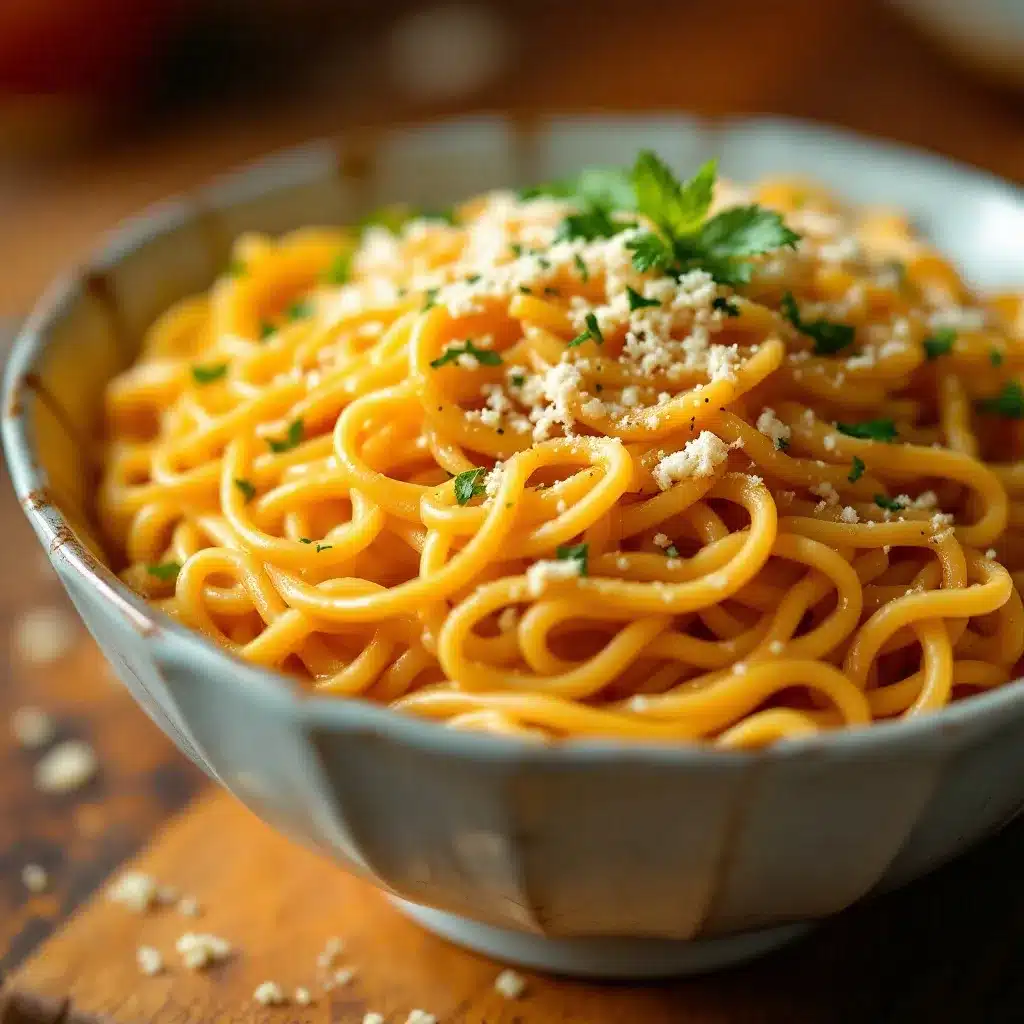
This comes together fast, so have everything ready before you start. Trust me, you do not want to be hunting for the garlic powder while your noodles are turning into a gluey mess.
- Boil the ramen noodles. Fill your pot with about 2 cups of water—enough to cover the noodles. Bring it to a rolling boil over high heat. Drop in the ramen block (discard the seasoning packet) and cook for 2 minutes, breaking the block apart with your fork as it softens. You want the noodles just tender but still firm—al dente, basically. They will cook a little more later.
- Reserve some pasta water. Before draining, scoop out about ¼ cup of the starchy cooking water and set it aside. This liquid gold is what helps the sauce come together smoothly. Do not skip this step—I have, and the noodles turned into a sticky brick.
- Drain the noodles. Pour the noodles into a colander or just hold the lid slightly tilted and pour the water out carefully. Do not rinse them—you want that starch to help the sauce cling.
- Return the pot to low heat. Drop in the butter and let it melt slowly. If you are adding any extras like garlic or leftover chicken from that healthy high-protein chicken zucchini boats, toss them in now and let them warm through for about 30 seconds.
- Whisk the egg mixture. While the butter melts, crack the whole egg and the extra yolk into your small bowl. Add the grated parmesan, garlic powder, and black pepper. Whisk with your fork until everything is combined and slightly frothy. The mixture should look like a thick, pale yellow paste.
- Take the pot off the heat. This is important—if you add the egg mixture while the pot is still on the burner, you will end up with scrambled eggs and sad noodles. Remove the pot from the heat completely.
- Add the noodles back to the pot. Toss them in the melted butter and stir to coat. Let them cool for about 30 seconds—just enough so they are hot but not screaming hot.
- Pour the egg mixture over the noodles. Drizzle it evenly across the noodles, then stir vigorously with your fork or chopsticks. Keep stirring for about 30 seconds. The heat from the noodles will cook the eggs gently, creating a silky, creamy sauce that coats every strand. If it looks too thick, add a splash of that reserved pasta water and stir again.
- Taste and adjust. Take a bite. Need more salt? Add a pinch. Want more pepper? Grind some on top. Feeling fancy? Sprinkle on extra parmesan.
- Serve immediately. Transfer to a bowl, top with extra black pepper and a little more cheese if you are feeling indulgent. Eat right away while it is warm and creamy.
The first time I made this, I added the egg while the pot was still on the heat and ended up with lumpy egg bits floating in watery noodles. It was still edible, but not pretty. Learning to pull the pot off the heat first was a game-changer. Now it comes out perfect every single time.
Cooking Tips & Techniques
I have made this recipe more times than I care to admit, and I have definitely made every mistake possible. Here is what I learned so you do not have to repeat my failures.
Do not overcook the ramen. Instant ramen cooks fast—like, two minutes fast. If you let it go longer, it turns mushy and falls apart when you stir in the sauce. Set a timer if you have to. Al dente is your friend here.
Temperature control is everything. The egg sauce needs gentle heat to thicken properly. If the noodles are too hot, the eggs scramble. If they are too cold, the sauce stays runny. Letting the noodles cool for about 30 seconds after adding the butter is the sweet spot. You want them hot enough to cook the eggs but not so hot that they cook them aggressively.
Use the starchy water. That reserved pasta water is not just for show. The starch in it helps bind the sauce to the noodles and keeps everything silky. If your sauce looks clumpy or dry, add a tablespoon at a time and stir until it smooths out.
Work quickly but calmly. Once you add the egg mixture, you have about 30-45 seconds to stir it all together before it sets. Do not panic—just stir consistently and confidently. Think of it like making a quick scramble, but with noodles.
Double it easily. Cooking for two? Use two packets of ramen, two whole eggs plus one yolk, and double everything else. The timing stays the same. Just make sure your pot is big enough to hold everything.
Microwave version (emergency only). If you do not have access to a stove, cook the ramen in a microwave-safe bowl with water for 2-3 minutes. Drain most of the water, leaving about a tablespoon. Add butter, microwave for 15 seconds, then stir in the egg mixture. It is not as silky, but it works when you are desperate.
Variations & Adaptations
This recipe is basically a blank canvas. Here are some ways I have tweaked it depending on what was in my pantry or how I was feeling.
Protein-Packed Version : Add leftover shredded chicken, crumbled bacon, or even canned tuna (drained) after the butter melts. For a vegetarian option, toss in some frozen edamame or tofu cubes. I once added leftover rotisserie chicken from a small batch BBQ pulled pork experiment, and it was surprisingly amazing.
Veggie Loaded : Throw in a handful of frozen peas, chopped spinach, or steamed broccoli right before adding the egg mixture. The residual heat warms them through without overcooking. My go-to is peas and a squeeze of lemon juice—bright, fresh, and makes me feel like an adult.
Spicy Ramen Carbonara : Add ½ teaspoon of red pepper flakes or a drizzle of sriracha to the egg mixture. Or top the finished bowl with chili crisp. The heat cuts through the richness beautifully.
Dairy-Free Version : Use olive oil or vegan butter instead of regular butter, and swap the parmesan for nutritional yeast (about 1 tablespoon). It is not exactly the same, but it gets you that savory, cheesy flavor without the dairy.
Gluten-Free Option : Use gluten-free ramen noodles or even rice noodles cooked according to package directions. The technique stays exactly the same.
Herby Fresh Version : Stir in a handful of fresh basil, parsley, or chives right at the end. It adds a pop of color and makes it feel like restaurant food.
Serving & Storage Suggestions
This dish is best eaten immediately—like, within minutes of making it. The sauce is at its creamiest right after you stir it together, and the noodles are perfectly tender. That said, life happens, and sometimes you need leftovers.
How to serve : Transfer to a warm bowl and top with extra black pepper, a sprinkle of parmesan, and maybe some chopped green onions or fresh herbs. Serve with a side of steamed veggies or a simple salad if you are feeling virtuous. For a full dorm feast, pair it with some easy breakfast-style sides for a fun brinner situation.
Storage : If you have leftovers, let the noodles cool completely, then transfer to an airtight container. Store in the refrigerator for up to 2 days. The sauce will thicken and the noodles will absorb some liquid, so the texture will change.
Reheating : The best way is in a skillet over low heat with a splash of water or milk. Stir constantly until warmed through. You can also microwave in 30-second bursts, stirring between each, but the texture will be softer. Do not reheat on high heat—it will scramble the egg sauce.
Flavor development : Honestly, this dish does not improve with time. The magic is in the fresh, creamy sauce. Leftovers are still tasty, but they are not the same experience. I recommend making only what you will eat in one sitting.
Nutritional Information & Benefits
This is not health food, but it is not terrible either. Here is a rough estimate for one serving using the basic recipe (no add-ins):
| Nutrient | Amount |
|---|---|
| Calories | ~420 |
| Protein | 16g |
| Fat | 24g |
| Carbohydrates | 38g |
| Fiber | 1g |
| Sugar | 2g |
| Sodium | 680mg |
The eggs provide high-quality protein and healthy fats that keep you full longer than plain ramen. Parmesan adds calcium and a little extra protein. The butter gives you vitamin A and that satisfying richness that makes a small portion feel like a real meal.
Dietary considerations : This recipe contains gluten (ramen noodles), dairy (butter and parmesan), and eggs. For gluten-free, use gluten-free ramen or rice noodles. For dairy-free, use olive oil and nutritional yeast. It is naturally nut-free and can be made vegetarian easily.
Is it the most nutritious meal you will eat this week? Probably not. But compared to eating plain ramen out of a Styrofoam cup, this is a massive upgrade. You are getting real food with actual protein and fat that your body can use. Plus, it makes you feel like you actually cooked something, which has its own mental health benefits.
Conclusion
Look, I am not going to tell you this is authentic Italian carbonara. It is not. But it is something better in its own way—it is a recipe that works with what you have, when you need it most. It is the kind of meal you make at midnight when you are hungry and broke and tired of cafeteria food. It is the kind of meal that makes you feel like you have your act together, even when your entire kitchen is a hot plate and a fork.
I still make this sometimes, even now that I have a real kitchen with actual counter space. Not because I have to, but because it reminds me of those chaotic college nights when a good meal felt like a small victory. And honestly, it is still delicious.
Try it once, and then make it your own. Throw in whatever you have. Adjust the seasonings. Make it spicy or cheesy or loaded with veggies. That is the beauty of this recipe—it is a starting point, not a rulebook.
If you give this Easy One-Pot Ramen Carbonara a shot, let me know how it turns out. Drop a comment below or tag me in your dorm kitchen creations. I want to see your versions, your weird add-ins, your late-night masterpieces. Happy cooking, friends.
Frequently Asked Questions
Can I use the ramen seasoning packet instead of parmesan?
I would not recommend it. The seasoning packet is mostly salt and MSG, which will make the sauce taste like salty broth instead of creamy carbonara. Save the packet for another day when you want a quick soup base.
What if I do not have a stove or hot plate?
You can make a microwave version! Cook the ramen in a microwave-safe bowl with water for 2-3 minutes. Drain most of the water, add butter, microwave for 15 seconds, then stir in the egg mixture. It is not as smooth, but it works in a pinch.
Can I make this without eggs?
Eggs are essential for the creamy sauce texture. Without them, you are basically eating buttered noodles with cheese. If you need an egg-free version, try mixing the hot noodles with a splash of milk and extra cheese, but it will not have the same silky consistency.
How do I keep the eggs from scrambling?
Take the pot off the heat before adding the egg mixture. Let the noodles cool for about 30 seconds after adding the butter. Then pour the eggs in and stir vigorously. The residual heat will cook the eggs gently without scrambling them.
Can I double this recipe for a group?
Absolutely! Use two packets of ramen, two whole eggs plus one yolk, and double the butter, cheese, and seasonings. The cooking time stays the same. Just make sure your pot is big enough to hold everything.
Pin This Recipe!
Easy One-Pot Ramen Carbonara Best College Dinner
A quick, budget-friendly carbonara made with instant ramen, eggs, and parmesan. Ready in under ten minutes with just one pot and simple ingredients.
- Prep Time: 5 minutes
- Cook Time: 5 minutes
- Total Time: 10 minutes
- Yield: 1 serving 1x
- Category: Main Course
- Cuisine: Italian-American
Ingredients
- 1 packet instant ramen noodles (seasoning packet discarded)
- 1 large egg plus 1 egg yolk
- 1 tablespoon butter (salted preferred)
- 2 tablespoons grated parmesan cheese
- ½ teaspoon garlic powder
- ½ teaspoon black pepper (plus more for topping)
- Pinch of salt (only if needed)
- Optional mix-ins: frozen peas, leftover chicken, crumbled bacon, chopped green onions, sriracha, spinach
Instructions
- Fill a medium pot with about 2 cups of water and bring to a rolling boil over high heat. Add the ramen noodles (discard seasoning packet) and cook for 2 minutes, breaking the block apart with a fork, until noodles are just tender but still firm (al dente).
- Before draining, reserve about ¼ cup of the starchy cooking water and set aside.
- Drain the noodles in a colander or by tilting the lid slightly. Do not rinse.
- Return the pot to low heat and add the butter. Let it melt slowly. If adding extras like garlic or leftover chicken, toss them in now and warm for about 30 seconds.
- In a small bowl, whisk together the whole egg, extra yolk, grated parmesan, garlic powder, and black pepper until combined and slightly frothy.
- Remove the pot from the heat completely.
- Add the drained noodles back to the pot and toss in the melted butter. Let cool for about 30 seconds.
- Pour the egg mixture evenly over the noodles and stir vigorously with a fork or chopsticks for about 30 seconds, until a silky, creamy sauce forms. If too thick, add a splash of reserved pasta water and stir again.
- Taste and adjust seasoning with salt or more pepper if needed.
- Serve immediately, topped with extra black pepper and additional parmesan if desired.
Notes
Do not use the ramen seasoning packet. Take the pot off the heat before adding the egg mixture to prevent scrambling. Let noodles cool about 30 seconds after adding butter for perfect egg cooking. Reserve starchy pasta water to adjust sauce consistency. Best eaten immediately; leftovers can be stored in an airtight container in the refrigerator for up to 2 days and reheated gently in a skillet with a splash of water or milk.
Nutrition
- Serving Size: 1 serving
- Calories: 420
- Sugar: 2
- Sodium: 680
- Fat: 24
- Saturated Fat: 10
- Carbohydrates: 38
- Fiber: 1
- Protein: 16
Keywords: ramen carbonara, easy college dinner, one-pot pasta, budget-friendly, quick dinner, dorm cooking