The pork chops were already thawed on the counter, and I had exactly forty-five minutes before my neighbor Karen was supposed to come over for a catch-up dinner. Then I opened the fridge, and the celery was limp, the bell peppers had seen better days, and the only thing that looked promising was a half-empty bottle of apple cider from last weekend’s farmers market trip. Karen loves pork chops, but I was this close to ordering pizza.
I’ve never been the kind of cook who follows a recipe perfectly—honestly, I’m more of a “what’s in the pantry” improviser. So I grabbed the pork chops, that apple cider, a couple of onions, and some garlic that was still good. I figured apple cider and pork had to work together, right? It’s basically the same vibe as applesauce with pork chops, just, you know, boozier and more sophisticated. Twenty minutes of browning and braising later, my whole apartment smelled like autumn in a cast iron pan—sweet, savory, with just a hint of something warm and cozy.
Karen walked in, took one sniff, and said, “You actually cooked? I thought we’d be ordering takeout.” That’s when I knew this easy apple cider braised pork chops recipe was a keeper. It’s the kind of meal that makes you look like you spent hours in the kitchen when really, you just let one pan and a few simple ingredients do all the heavy lifting. And honestly? That’s my favorite kind of cooking.
Why You’ll Love This Recipe
Let me tell you why this one-pan apple cider braised pork chops recipe has earned a permanent spot in my weeknight dinner rotation. I’ve tested this dish at least six times—tweaking the braising liquid ratios, trying different thicknesses of pork chops, even experimenting with bone-in versus boneless. What I landed on is genuinely foolproof.
- One-Pan Wonder : Everything happens in a single skillet. Sear the chops, sauté the aromatics, build the sauce, and braise until tender. Less cleanup means more time actually enjoying your meal.
- Simple Ingredients : You probably already have apple cider, onions, garlic, and a few pantry staples. No fancy grocery store trips required—I’ve made this with store-brand cider and it still turned out incredible.
- Perfect for Fall Gatherings : This dish screams autumn comfort food. It’s impressive enough for dinner parties but easy enough for a random Tuesday when you need something warm and satisfying.
- Crowd-Pleaser : Even my picky eater friend who “doesn’t like pork” asked for seconds. The braising makes the meat so tender and flavorful that skeptics become converts.
- Unbelievably Tender : The secret is the braising process. That apple cider and broth mixture slowly breaks down the meat, leaving you with fork-tender pork chops that practically melt in your mouth.
What makes this recipe different from other pork chop recipes out there is the balance of flavors. Most braised pork dishes lean too sweet or too savory, but this one hits that perfect middle ground. The apple cider adds natural sweetness without being cloying, while the fresh thyme, garlic, and a touch of Dijon mustard cut through with just enough acidity and depth. It’s comfort food that feels sophisticated but takes almost no effort—exactly the kind of recipe I want on a busy weeknight when I still want to eat something memorable.
What Ingredients You Will Need
This recipe relies on simple, wholesome ingredients that work together to create a deeply flavorful braising liquid and perfectly tender pork chops. Most of these are pantry staples, which is exactly why I love making this dish on short notice.
For the Pork Chops:
- 4 bone-in pork chops, about 1-inch thick (I prefer bone-in for more flavor and moisture, but boneless works too—just reduce cooking time by a few minutes)
- 2 tablespoons olive oil, divided (use a good quality one for searing; avocado oil works as a substitute)
- 1 teaspoon salt (I use kosher salt; if using table salt, reduce to ¾ teaspoon)
- ½ teaspoon black pepper, freshly ground
- 1 teaspoon garlic powder (adds a subtle savory note without burning like fresh garlic during searing)
For the Braising Base:
- 1 medium yellow onion, thinly sliced (about 1 cup) (sweet onions like Vidalia work beautifully here too)
- 3 cloves garlic, minced (fresh is non-negotiable for that aromatic punch)
- 2 cups apple cider (unfiltered is my preference—it has more depth; but any good quality apple cider works)
- 1 cup low-sodium chicken broth (reduces the saltiness so you control the seasoning; vegetable broth works in a pinch)
- 2 tablespoons Dijon mustard (the secret ingredient that brightens the whole dish—don’t skip it)
- 2 tablespoons apple cider vinegar (adds acidity to balance the sweetness; white wine vinegar works too)
- 2 sprigs fresh thyme (or 1 teaspoon dried thyme if that’s what you have; fresh is more aromatic)
- 1 bay leaf (adds subtle earthy notes that deepen the flavor)
- 1 tablespoon brown sugar (optional, but I add it when I want a slightly richer sauce)
For Thickening the Sauce (Optional):
- 1 tablespoon cornstarch mixed with 2 tablespoons cold water (slurry) (only if you want a thicker, more gravy-like consistency)
For Garnish:
- Fresh parsley, chopped (adds color and freshness)
- Fresh thyme leaves (for that final pop of herbal aroma)
I’ve made this recipe with different apple cider brands—some are sweeter, some more tart. If your cider is very sweet, you can skip the brown sugar entirely. And if you’re out of fresh thyme, dried works fine; just add it earlier in the cooking process so it has time to rehydrate and release its flavor.
Equipment Needed
One of the best things about this recipe is how little equipment you need. Here’s what I use every time:
- Large heavy-bottomed skillet or Dutch oven (I use my trusty 12-inch cast iron skillet—it holds heat beautifully and gives the pork chops a gorgeous sear. A stainless steel pan works great too, just make sure it’s oven-safe if you’re finishing in the oven)
- Tongs (for flipping the pork chops without piercing the meat and losing juices)
- Wooden spoon or spatula (for scraping up those browned bits from the bottom of the pan—that’s where all the flavor lives)
- Measuring cups and spoons (accuracy matters for the braising liquid balance)
- Sharp knife and cutting board (for slicing the onion and mincing garlic)
- Small bowl (for the cornstarch slurry if you’re thickening the sauce)
If you don’t have a cast iron skillet, don’t worry. I’ve made this in a regular non-stick pan and it worked fine—just be careful with high heat since non-stick can’t take the same temperatures as cast iron. A Dutch oven is actually my second choice because it distributes heat so evenly. I picked mine up at a thrift store for fifteen bucks, and it’s been a workhorse for braised dishes like this.
One tip: whatever pan you use, make sure it has a tight-fitting lid. If yours doesn’t, you can cover it tightly with aluminum foil. The steam needs to stay trapped inside to tenderize those pork chops.
Preparation Method
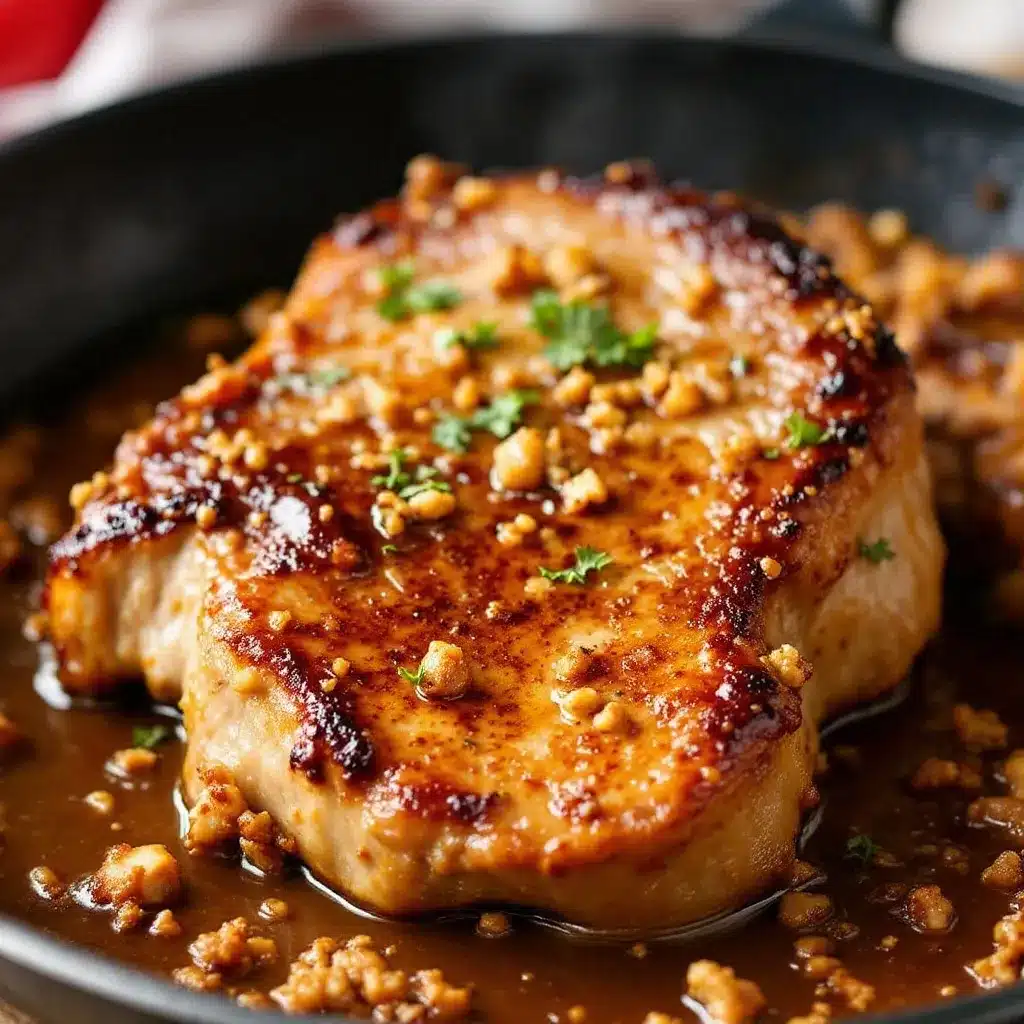
Alright, let’s get cooking. This entire dish comes together in about 40 minutes from start to finish, and most of that time is hands-off braising. Here’s my exact method, tested and tweaked over multiple batches.
- Pat the pork chops dry with paper towels. This is crucial—wet meat won’t sear properly, and you’ll end up steaming instead of browning. Season both sides generously with salt, pepper, and garlic powder. Let them sit at room temperature for 10-15 minutes while you prep the other ingredients.
- Heat 1 tablespoon of olive oil in your skillet over medium-high heat. You want the oil shimmering but not smoking. Carefully place the pork chops in the pan—don’t crowd them. If your skillet is small, sear in two batches. Cook for 3-4 minutes per side until deeply golden brown. The pork chops won’t be cooked through yet, and that’s fine. Transfer them to a plate and set aside.
- Reduce the heat to medium and add the remaining 1 tablespoon of olive oil. Toss in the sliced onions and cook for 4-5 minutes, stirring occasionally, until they’re soft and starting to caramelize around the edges. Scrape up any browned bits from the bottom of the pan—that’s pure flavor.
- Add the minced garlic and cook for 30 seconds until fragrant. Don’t let it burn, or it’ll turn bitter. You should be able to smell it immediately.
- Pour in the apple cider and chicken broth, stirring to combine. Add the Dijon mustard, apple cider vinegar, brown sugar (if using), fresh thyme sprigs, and bay leaf. Bring the liquid to a gentle simmer, scraping up any remaining browned bits from the pan bottom with your wooden spoon.
- Return the pork chops to the skillet, nestling them into the liquid. The braising liquid should come about halfway up the sides of the pork chops. If it doesn’t, add a splash more broth or water. Bring to a gentle simmer, then reduce the heat to low, cover, and let it braise for 20-25 minutes.
- Check for doneness after 20 minutes. The pork chops should be tender and easily pierced with a fork. If they’re still a bit firm, let them go another 5 minutes. I use an instant-read thermometer—145°F is the sweet spot for perfectly cooked pork.
- Remove the pork chops to a clean plate and tent loosely with foil to keep warm. Turn the heat up to medium-high and let the braising liquid simmer uncovered for 5-7 minutes until it reduces and thickens slightly. If you want a thicker sauce, stir in the cornstarch slurry and cook for another minute until it thickens.
- Remove the thyme sprigs and bay leaf. Taste the sauce and adjust seasoning with more salt or pepper if needed. Spoon the sauce and caramelized onions over the pork chops.
- Garnish with fresh parsley and thyme leaves. Serve immediately while everything is hot and fragrant.
One thing I learned the hard way: don’t rush the searing step. That golden-brown crust isn’t just for looks—it adds a deep, savory flavor that makes the whole dish sing. And if the sauce isn’t reducing as quickly as you’d like, just be patient. Low and slow is better than high heat that might burn the sugars in the apple cider.
Cooking Tips & Techniques
After making this recipe more times than I care to count, I’ve picked up a few tricks that make a real difference. Let me share what I’ve learned—including a couple of mistakes I’ve made so you don’t have to.
Choose the right pork chop thickness. I’ve tried this with thin, ½-inch pork chops, and they cooked too quickly and turned dry. Thick, bone-in chops that are at least 1-inch thick are ideal. They have enough fat and connective tissue to withstand the braising time without drying out. If all you have are thin chops, reduce the braising time to 10-12 minutes.
Don’t skip the sear. I know it’s tempting to just dump everything in the pan and call it a day, but that initial sear is where the magic happens. The browned bits left in the pan—called fond—are what give the braising liquid its deep, savory flavor. If you skip this step, the sauce will taste flat and one-dimensional.
Watch the braising temperature. The liquid should be at a gentle simmer, not a rolling boil. If it’s bubbling too aggressively, the pork chops will toughen up instead of becoming tender. I keep my burner on low and check every few minutes to make sure it’s just barely bubbling.
Let the pork rest. After braising, let the pork chops rest under foil for at least 5 minutes before serving. This allows the juices to redistribute throughout the meat. I once got impatient and cut into one immediately, and all those delicious juices ran out onto the cutting board. Such a waste.
Taste and adjust. Everyone’s apple cider is different—some are sweeter, some more tart. Always taste the sauce before serving and adjust the seasoning. A pinch of salt can brighten everything up, or a splash more vinegar can cut through excessive sweetness.
Multitask smartly. While the pork chops are braising, use that time to prep a quick side dish. I often make a simple side salad or roast some vegetables in the oven. The braising step is hands-off, so take advantage of it.
Variations & Adaptations
This recipe is incredibly versatile, and I’ve experimented with several variations depending on what I have on hand or who I’m cooking for. Here are some of my favorites:
Dietary Adaptations:
- Gluten-Free : This recipe is naturally gluten-free as written. Just make sure your chicken broth and Dijon mustard are certified gluten-free if that’s a concern.
- Dairy-Free : No dairy here at all, so you’re good to go. Serve with dairy-free sides like roasted vegetables or a salad.
- Low-Carb/Keto : Skip the brown sugar and reduce the apple cider to 1 cup, replacing the other cup with additional chicken broth. The flavor will still be delicious, just less sweet.
Flavor Twists:
- Apple and Sage : Add 2-3 fresh sage leaves along with the thyme. The earthy, slightly peppery flavor of sage pairs beautifully with apple cider and pork.
- Spicy Apple Cider Pork : Add ½ teaspoon red pepper flakes or a sliced jalapeño when you sauté the onions. The heat cuts through the sweetness and adds a lovely warmth.
- Herb-Infused : Swap the thyme for rosemary or add a sprig of fresh oregano. Each herb brings its own personality to the dish.
Cooking Method Variations:
- Slow Cooker : Sear the pork chops and sauté the onions as directed, then transfer everything to a slow cooker. Cook on low for 4-6 hours or on high for 2-3 hours. Thicken the sauce on the stovetop before serving.
- Instant Pot : Use the sauté function to sear the pork chops and cook the onions. Add the remaining ingredients, pressure cook on high for 10 minutes, then natural release for 5 minutes. Quick release the remaining pressure and thicken the sauce.
- Oven-Braised : After searing and building the sauce, transfer the covered skillet to a 325°F oven and braise for 30-35 minutes. This gives you more even heat distribution.
Seasonal Adaptations:
- In fall, add a diced apple (like Honeycrisp or Granny Smith) along with the onions for extra texture and apple flavor.
- In winter, swap the fresh thyme for dried and add a cinnamon stick to the braising liquid for a warming, spiced note.
- In summer, serve the pork chops with a fresh peach salsa or alongside a fresh vegan Greek pasta salad with tofu feta for a bright, seasonal contrast.
Serving & Storage Suggestions
This dish is incredibly forgiving when it comes to serving and storing, which is another reason I love it. Here’s how I handle both.
Serving Suggestions:
These apple cider braised pork chops are best served hot, straight from the skillet. I like to spoon the caramelized onions and sauce generously over each chop. The sauce is the star, so don’t be shy with it.
What to Serve With It:
- Mashed potatoes are my go-to—they soak up that beautiful sauce perfectly. Try dairy-free mashed potatoes if you’re avoiding dairy.
- Roasted vegetables like Brussels sprouts, carrots, or green beans add color and texture.
- A simple side salad with a tangy vinaigrette cuts through the richness of the pork.
- Rice or quinoa works well for soaking up the sauce if you’re not in the mood for potatoes.
- Crusty bread for dipping into that sauce—honestly, this might be my favorite way to enjoy it.
Storage Instructions:
- Refrigerator : Store leftover pork chops and sauce in an airtight container for up to 4 days. The flavors actually deepen and meld together overnight, so leftovers might taste even better the next day.
- Freezer : This dish freezes beautifully. Place cooled pork chops and sauce in a freezer-safe container or zip-top bag, removing as much air as possible. Freeze for up to 3 months.
Reheating Tips:
- Stovetop : Reheat gently in a covered skillet over medium-low heat, adding a splash of broth or water if the sauce has thickened too much. This is my preferred method because it keeps the pork tender.
- Microwave : If you’re in a hurry, microwave in 30-second intervals, covered, until heated through. The pork might be slightly less tender this way, but it still tastes great.
- Oven : Place in a covered baking dish at 300°F for 15-20 minutes. This is the gentlest method and works well if you’re reheating a large batch.
One thing I’ve noticed: the sauce thickens as it sits in the fridge. When reheating, don’t be afraid to add a little extra broth or apple cider to loosen it up. The flavor will still be incredible.
Nutritional Information & Benefits
This recipe strikes a nice balance between comfort food and mindful eating. Here’s a rough estimate per serving (based on 4 servings with bone-in pork chops and sauce):
- Calories : Approximately 380-420
- Protein : 35-40 grams
- Fat : 18-22 grams (mostly from the pork and olive oil)
- Carbohydrates : 18-22 grams (from apple cider and onions)
- Fiber : 1-2 grams
- Sugar : 12-15 grams (natural sugars from apple cider)
Health Benefits of Key Ingredients:
- Pork chops are an excellent source of high-quality protein, B vitamins (especially B12 and B6), and minerals like zinc and selenium, which support immune function.
- Apple cider contains antioxidants and polyphenols that may support heart health. It also adds natural sweetness without refined sugar.
- Onions and garlic are packed with compounds that support immune health and have anti-inflammatory properties.
- Olive oil provides healthy monounsaturated fats that are good for heart health.
Dietary Considerations:
- This recipe is naturally gluten-free and dairy-free.
- It’s relatively low in carbohydrates compared to many comfort food dishes.
- If you’re watching sodium, use low-sodium broth and go easy on the added salt.
I’m not a nutritionist, but I feel good about serving this to my family. It’s protein-rich, uses whole ingredients, and doesn’t rely on heavy creams or processed sauces. Plus, when you pair it with a vegetable side, it’s a well-rounded meal that satisfies without weighing you down.
Conclusion
This easy apple cider braised pork chops recipe has become one of those dishes I make on repeat—not because it’s fancy, but because it works every single time. The pork comes out tender and juicy, the sauce is rich and flavorful, and the whole thing comes together in one pan with minimal fuss. It’s the kind of meal that makes you feel like a really good cook, even on days when you’re just trying to get dinner on the table.
I love that this recipe is flexible enough to adapt to whatever you have in your fridge. Add more vegetables, swap the herbs, adjust the sweetness—it’s forgiving and always delicious. And honestly, the leftovers might be even better than the first serving, which is always a win in my book.
If you give this recipe a try, I’d love to hear how it goes. Did you add your own twist? Serve it with something unexpected? Leave a comment below and let me know—I read every single one, and your feedback helps me create better recipes for all of us. And if you loved it, share it with a friend who needs a reliable weeknight dinner in their back pocket.
Happy cooking, friends. Here’s to one-pan meals that taste like you spent all day in the kitchen.
Frequently Asked Questions
Can I use boneless pork chops for this recipe?
Yes, absolutely. Boneless pork chops work well, but they cook faster and can dry out more easily. Look for chops that are at least 1-inch thick, and reduce the braising time by about 5-7 minutes. Check for doneness at 145°F using an instant-read thermometer.
What if I don’t have apple cider?
No problem. You can substitute with apple juice, though it’s usually sweeter and less complex. For a more savory option, use a combination of chicken broth and a grated apple. The apple will break down during cooking and add natural sweetness and texture.
Can I make this recipe ahead of time?
Definitely. In fact, the flavors deepen and meld together overnight, making leftovers even better. Prepare the recipe completely, let it cool, and store in the refrigerator for up to 4 days. Reheat gently on the stovetop, adding a splash of broth if the sauce has thickened too much.
How do I prevent the pork chops from drying out?
The key is not overcooking them. Use an instant-read thermometer and remove the pork from the heat when it reaches 145°F. Let it rest under foil for 5 minutes before serving. Also, make sure your braising liquid is at a gentle simmer, not a rolling boil, which can toughen the meat.
What sides go best with these pork chops?
Mashed potatoes are my top choice because they soak up the sauce beautifully. Roasted Brussels sprouts, green beans, or a simple side salad with a tangy vinaigrette also work wonderfully. For something heartier, try serving with gluten-free cornbread muffins to soak up every last drop of that delicious sauce.
Pin This Recipe!
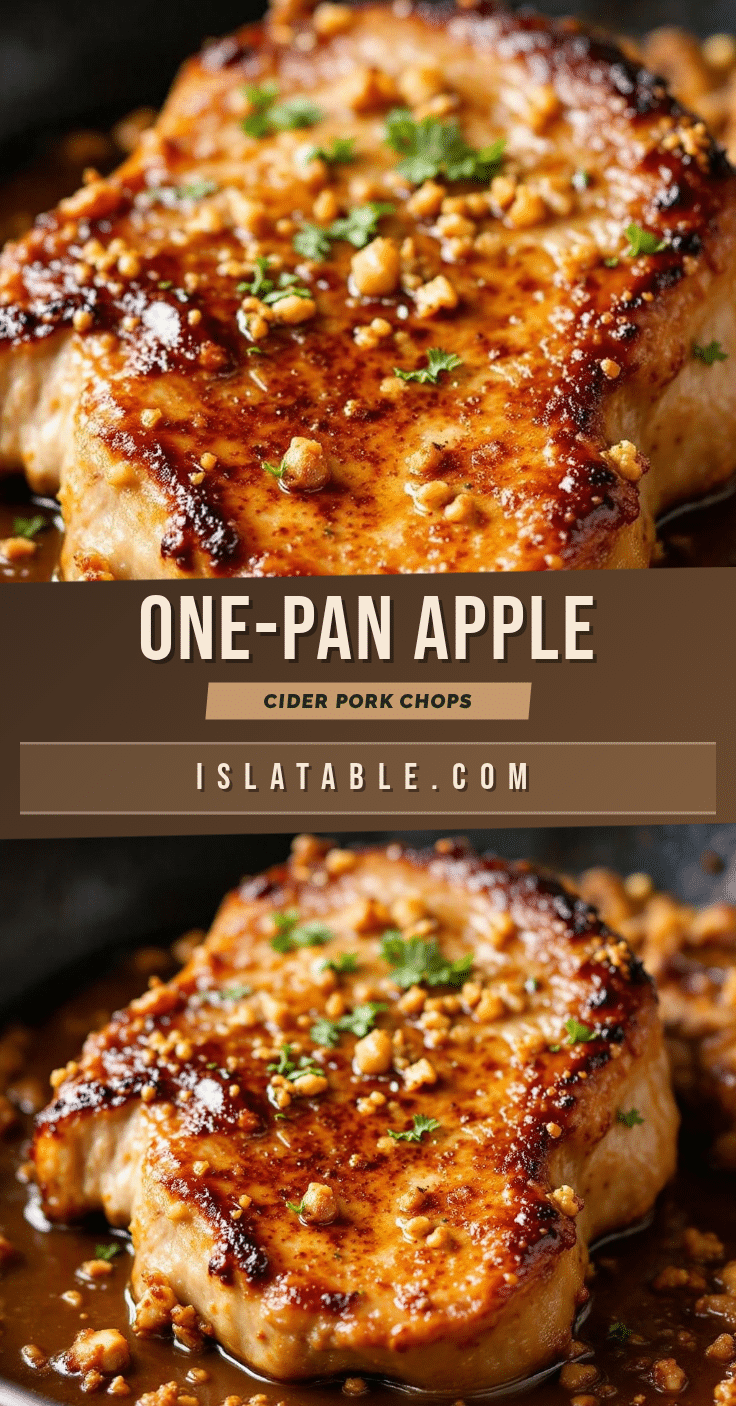
Easy One-Pan Apple Cider Braised Pork Chops Recipe

Tender, juicy pork chops braised in a sweet and savory apple cider sauce, all made in one pan for minimal cleanup. Perfect for a cozy weeknight dinner or fall gathering.
- Prep Time: 15 minutes
- Cook Time: 30 minutes
- Total Time: 45 minutes
- Yield: 4 servings 1x
- Category: Main Course
- Cuisine: American
Ingredients
- 4 bone-in pork chops, about 1-inch thick
- 2 tablespoons olive oil, divided
- 1 teaspoon salt
- ½ teaspoon black pepper, freshly ground
- 1 teaspoon garlic powder
- 1 medium yellow onion, thinly sliced (about 1 cup)
- 3 cloves garlic, minced
- 2 cups apple cider
- 1 cup low-sodium chicken broth
- 2 tablespoons Dijon mustard
- 2 tablespoons apple cider vinegar
- 2 sprigs fresh thyme (or 1 teaspoon dried thyme)
- 1 bay leaf
- 1 tablespoon brown sugar (optional)
- 1 tablespoon cornstarch mixed with 2 tablespoons cold water (optional, for thickening)
- Fresh parsley, chopped (for garnish)
- Fresh thyme leaves (for garnish)
Instructions
- Pat the pork chops dry with paper towels. Season both sides generously with salt, pepper, and garlic powder. Let them sit at room temperature for 10-15 minutes.
- Heat 1 tablespoon of olive oil in a large heavy-bottomed skillet or Dutch oven over medium-high heat. Sear the pork chops for 3-4 minutes per side until deeply golden brown. Transfer to a plate and set aside.
- Reduce heat to medium and add the remaining 1 tablespoon of olive oil. Add the sliced onions and cook for 4-5 minutes, stirring occasionally, until soft and starting to caramelize. Scrape up any browned bits from the bottom of the pan.
- Add the minced garlic and cook for 30 seconds until fragrant.
- Pour in the apple cider and chicken broth, stirring to combine. Add the Dijon mustard, apple cider vinegar, brown sugar (if using), fresh thyme sprigs, and bay leaf. Bring to a gentle simmer, scraping up any remaining browned bits.
- Return the pork chops to the skillet, nestling them into the liquid. The braising liquid should come about halfway up the sides of the pork chops. Bring to a gentle simmer, then reduce heat to low, cover, and braise for 20-25 minutes.
- Check for doneness after 20 minutes. Pork chops should be tender and easily pierced with a fork. Use an instant-read thermometer—145°F is the sweet spot.
- Remove the pork chops to a clean plate and tent loosely with foil to keep warm. Turn heat up to medium-high and let the braising liquid simmer uncovered for 5-7 minutes until it reduces and thickens slightly. If desired, stir in the cornstarch slurry and cook for another minute until thickened.
- Remove the thyme sprigs and bay leaf. Taste the sauce and adjust seasoning with more salt or pepper if needed. Spoon the sauce and caramelized onions over the pork chops.
- Garnish with fresh parsley and thyme leaves. Serve immediately.
Notes
Don’t rush the searing step—it adds deep flavor. Use an instant-read thermometer to avoid overcooking. Let pork rest under foil for 5 minutes before serving. For a thicker sauce, use cornstarch slurry. Leftovers can be stored in the refrigerator for up to 4 days or frozen for up to 3 months.
Nutrition
- Serving Size: 1 pork chop with sau
- Calories: 400
- Sugar: 13.5
- Sodium: 650
- Fat: 20
- Saturated Fat: 6
- Carbohydrates: 20
- Fiber: 1.5
- Protein: 37
Keywords: apple cider braised pork chops, one-pan pork chops, easy pork chop recipe, fall dinner, braised pork chops