“You ever had that one dish that sneaks up on you, starting as a ‘maybe this will work’ and ends up being the reason you linger in the kitchen a little longer?” That’s how my love affair with this flavorful easy chicken Doro Wat with traditional injera bread began. It wasn’t some grand plan to master Ethiopian cuisine—honestly, I was just trying to put together a dinner after a day that felt like it ran me over. The deep aroma of berbere spices simmering with tender chicken filled the air, drawing my curiosity despite my skepticism.
I remember staring at that stack of injera bread, wondering how something so tangy and spongy could be the perfect partner for such a bold stew. But that first bite? It made me pause—eyes closed, the warmth of slow-cooked flavors and that slightly sour bread mingling in a way I hadn’t anticipated. This dish didn’t just fill my belly; it grounded me. I found myself making it two nights in a row (and then again, because hey, sometimes you just get obsessed).
Over time, this chicken Doro Wat became my go-to for nights when I wanted something comforting yet exciting, easy yet authentic. That’s the kind of recipe that sticks with you—not because it’s flashy but because it feels like a warm hug on a plate. And if you’re wondering why you might want to give it a try, just wait; there’s a quiet magic in this stew that’s worth experiencing.
Why You’ll Love This Recipe
After testing and tweaking this chicken Doro Wat recipe multiple times, I can say it hits the sweet spot between tradition and simplicity. You don’t have to be a pro chef or hunt down rare ingredients to enjoy this wonderful Ethiopian staple. Here’s why it’s become a favorite in my kitchen:
- Quick & Easy: You can have this dish simmered and ready in about 1 hour, which makes it perfect for busy weeknights or when you want something comforting without spending all day cooking.
- Simple Ingredients: Most are pantry staples or easy to find at your local market—like chicken thighs, onions, garlic, and that fiery berbere spice blend.
- Perfect for Entertaining: Whether you’re hosting a casual dinner or a cultural food night, this dish impresses without the stress. The traditional injera bread adds a fun, interactive way to enjoy the meal.
- Crowd-Pleaser: The rich, spicy flavors appeal to both spice lovers and those new to Ethiopian cuisine. Kids and adults alike have given it thumbs-up in my experience!
- Unbelievably Delicious: The slow-cooked chicken absorbs the complex spices, while the injera’s tang balances the heat perfectly—comfort food with depth.
This isn’t your average stew. The secret lies in the berbere seasoning, which I recommend sourcing from a reputable brand like Mama Oliech’s or making your own fresh blend if you’re feeling adventurous. Plus, the slow caramelization of onions gives the sauce that deep, robust flavor that makes Doro Wat so special. Honestly, it’s the kind of recipe you’ll want to keep coming back to, whether you’re cooking for yourself or a whole table.
What Ingredients You Will Need
This chicken Doro Wat recipe uses simple, wholesome ingredients to deliver bold flavor and satisfying texture without the fuss. Most of these are pantry essentials, and the rest are easy to find in an international or well-stocked grocery store. Here’s the breakdown:
- Chicken: 2 pounds (900g) bone-in, skin-on chicken thighs (for juiciness and flavor)
- Onions: 3 large yellow onions, finely chopped (the backbone of the sauce)
- Garlic: 4 cloves, minced (adds aromatic depth)
- Ginger: 2 tablespoons fresh, grated (for warmth and zing)
- Berbere spice blend: 3 tablespoons (key flavor—spicy, smoky, and complex; use a trusted brand or homemade)
- Butter or Niter Kibbeh: 4 tablespoons (Ethiopian spiced clarified butter, but regular unsalted butter works too)
- Tomato paste: 2 tablespoons (adds body and richness to the sauce)
- Chicken broth or water: 1 cup (240ml) to simmer the stew
- Hard-boiled eggs: 4 (peeled, traditional addition to Doro Wat)
- Salt: to taste
- Lemon juice: 1 tablespoon (optional, helps balance flavors)
- Traditional Injera Bread: Enough for serving (fermented teff flour flatbread with a slightly sour taste and spongy texture)
Ingredient tips: Look for small-curd cottage cheese if you want to try a fusion twist (I tried it, and it’s surprisingly nice!), but sticking to chicken thighs and fresh onions will give you that authentic texture and comfort. For those who can’t find niter kibbeh, regular butter or a mild olive oil is a fine substitute.
Equipment Needed
- Large heavy-bottomed pot or Dutch oven: Essential for even heat distribution and slow simmering.
- Wooden spoon or spatula: For stirring the thick onion base without scratching your pot.
- Knife and cutting board: For chopping onions, garlic, and ginger.
- Small saucepan: For boiling eggs.
- Measuring spoons and cups: To keep your spice balance just right.
- Optional: A spice grinder if you want to fresh-grind your berbere blend.
Personally, I find a heavy Dutch oven indispensable for dishes like this. It keeps the heat steady and helps those onions caramelize beautifully without burning. If you don’t have one, a thick pot with a tight-fitting lid will do just fine. Also, a good quality wooden spoon makes stirring feel less like a chore and more like part of the ritual. I keep a set from OXO that’s lasted years and still looks fresh.
Preparation Method
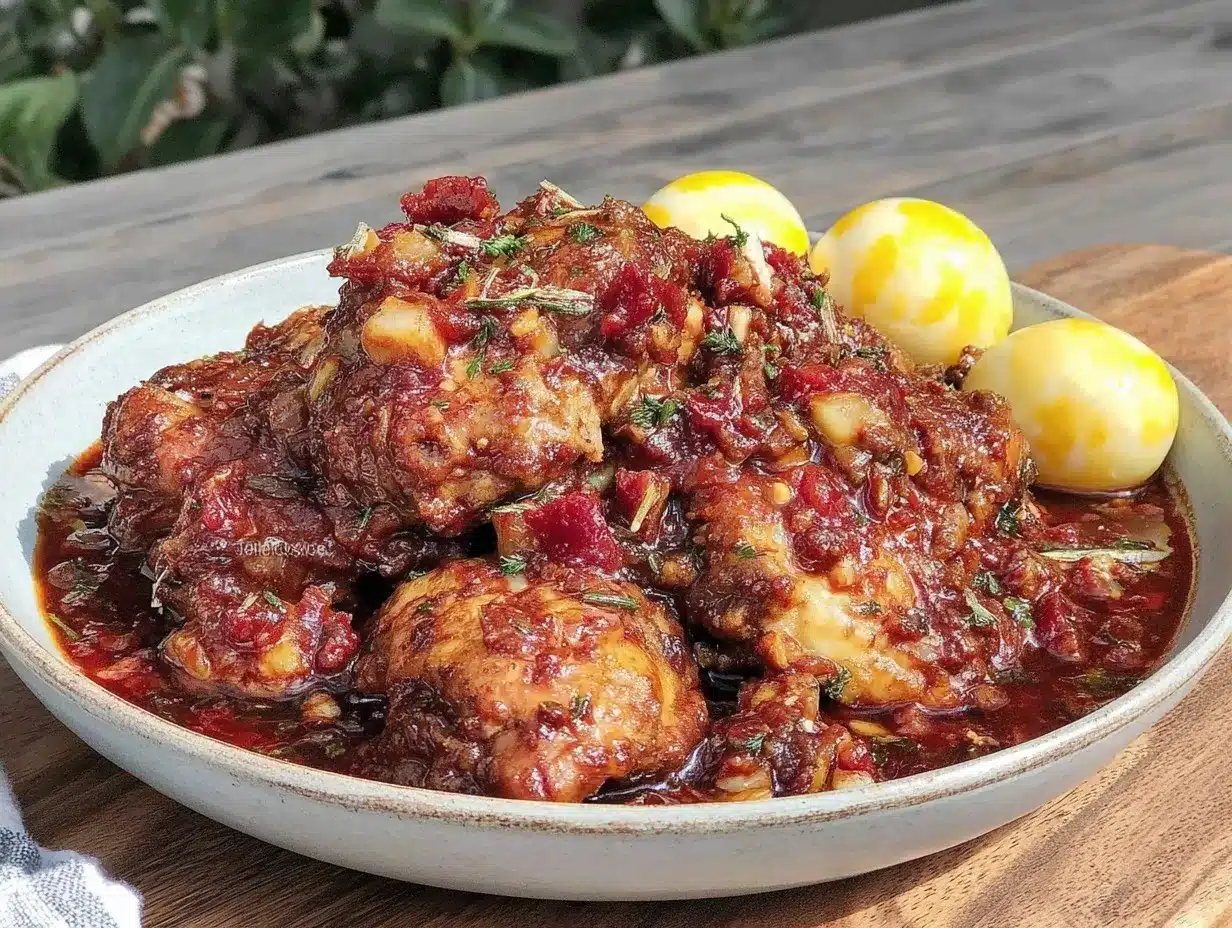
- Prep the chicken: Rinse and pat dry the chicken thighs. Season lightly with salt and set aside. (About 5 minutes)
- Caramelize the onions: In your pot, melt the butter or niter kibbeh over medium heat. Add the finely chopped onions and cook slowly, stirring often, for about 30-40 minutes until they turn a deep golden brown. This step is crucial—don’t rush it! The sweetness from the onions builds the stew’s flavor foundation.
- Add garlic and ginger: Stir in the minced garlic and grated ginger, cooking for 2-3 minutes until fragrant.
- Mix in berbere and tomato paste: Sprinkle in the berbere spice and add tomato paste, stirring continuously for about 5 minutes to toast the spices and develop a rich sauce base. You’ll notice a deepening color and a spicy aroma filling the kitchen.
- Add the chicken: Nestle the seasoned chicken thighs into the sauce, coating them well. Pour in the chicken broth or water to cover about halfway. Bring to a gentle simmer.
- Simmer: Cover the pot and let the stew cook for 40-45 minutes over low heat, turning the chicken occasionally to absorb all those flavors. The sauce should thicken and coat the chicken beautifully.
- Prepare hard-boiled eggs: While the stew simmers, boil eggs for 10 minutes, then peel and set aside.
- Final touches: Add the peeled hard-boiled eggs into the stew during the last 10 minutes of cooking to warm them through and soak in the sauce. Finish with a squeeze of lemon juice for brightness, if you like.
- Serve: Traditionally, serve hot with injera bread, tearing off pieces to scoop up the stew and eggs.
Tip: Slow caramelization of onions can seem tedious, but it pays off. If you’re short on time, cooking them over medium heat and stirring frequently will speed things, but keep a close eye to avoid burning. Also, don’t skip adding the eggs—this little detail adds a comforting texture contrast that feels like the real deal.
Cooking Tips & Techniques
Making authentic chicken Doro Wat might seem intimidating, but a few tricks can make all the difference. Here are some nuggets from my experience:
- Don’t rush the onions: They’re the heart of the stew. Slow cooking unlocks natural sugars that balance the spice.
- Use bone-in chicken thighs: They stay tender and juicy during the long simmer, unlike breasts which can dry out.
- Toast the berbere spice: Adding it to the hot onions and tomato paste helps release essential oils, boosting flavor complexity.
- Layer flavors: Adding garlic and ginger after the onions caramelize preserves their freshness without overpowering.
- Simmer low and slow: Rushing the stew with high heat can toughen the meat and dull the sauce.
- Eggs add authenticity: I once skipped them thinking it was optional, but the dish felt incomplete without that creamy protein punch.
- Multitasking: Boil the eggs while the onions caramelize to save time.
One of my early attempts ended with burnt onions—lesson learned: patience really is key here. Also, if you want a milder stew, reduce the berbere slightly and add a touch of honey to balance the heat. This recipe has become a kitchen staple alongside dishes like indoor smokeless BBQ chicken that I turn to when craving bold flavors but easy prep.
Variations & Adaptations
One of the joys of cooking Doro Wat is how adaptable it is, so you can tweak it depending on your mood or dietary needs:
- Vegetarian/Vegan: Swap chicken for hearty mushrooms or jackfruit, and replace butter with coconut oil or vegan margarine. Pair it with vegan baked beans for a full plant-based feast.
- Gluten-Free: The stew itself is naturally gluten-free, but make sure your injera bread is made from 100% teff flour or serve with gluten-free flatbreads like those from my gluten-free cornbread muffins recipe.
- Spice Level: Adjust berbere quantity to taste. For a smoky twist, add a pinch of smoked paprika or chipotle powder.
- Slow Cooker: Brown onions and spices on the stove, then transfer everything to a slow cooker. Cook on low for 4-5 hours for hands-off comfort.
I once tried adding a splash of red wine during simmering—it added a surprising depth that paired well with the spice. Feel free to experiment and make this recipe your own.
Serving & Storage Suggestions
Serve chicken Doro Wat hot, straight from the pot, with traditional injera bread for tearing and dipping. The bread’s spongy texture soaks up all that spicy sauce, making every bite a delight. If injera isn’t available, warm pita or even flatbreads work in a pinch.
For sides, consider simple salads or lightly sautéed greens to balance the richness. A cooling yogurt cucumber salad or the creamy crunch of a keto coleslaw can pair nicely.
Leftovers keep well in the fridge for up to 3 days in an airtight container. Reheat gently on the stovetop or microwave, adding a splash of water or broth if the sauce thickens too much. The flavors actually deepen the next day, making it a perfect make-ahead meal.
For longer storage, freeze the stew (without eggs) in portions for up to 3 months. Thaw overnight in the fridge before reheating, then add freshly boiled eggs when warming.
Nutritional Information & Benefits
This chicken Doro Wat is a wholesome, protein-rich dish that provides satisfying nutrition without heaviness. A typical serving (including 1 chicken thigh and a hard-boiled egg) delivers approximately:
| Calories | 350-400 kcal |
|---|---|
| Protein | 35g |
| Fat | 20g (mostly from butter and chicken skin) |
| Carbohydrates | 8g (mostly from onions and tomato paste) |
Berbere spice contains antioxidant-rich ingredients like chili peppers, garlic, and ginger, which may support immune health. Using bone-in chicken thighs adds collagen and minerals. For gluten-free diets, pairing with teff injera keeps the meal grain-friendly. Just note the presence of dairy in butter and eggs, which may be swapped out if needed.
Personally, I appreciate that this dish feels nourishing without being heavy or greasy. It’s a balanced, comforting meal that keeps me full and energized, especially on chilly evenings.
Conclusion
Chicken Doro Wat with traditional injera bread has quietly become one of those recipes I reach for when I want something soulful yet straightforward. It’s the kind of dish that invites you to slow down, savor every bite, and maybe even share the experience with friends or family. What I love most is how it bridges bold Ethiopian flavors with accessible cooking steps, making it approachable yet authentic.
Feel free to play around with spice levels, swap ingredients, or add your personal touch—this recipe is forgiving and welcoming. I hope it becomes a cozy staple for you, too, whether it’s a special occasion or just a night you need a little extra comfort.
If you try this recipe, I’d love to hear how it turns out or any twists you put on it. Sharing these moments is what makes cooking feel like community, don’t you think?
FAQs
- What is berbere spice, and where can I find it?
Berbere is a traditional Ethiopian spice blend made from chili peppers, garlic, ginger, and other warming spices. You can find it in international markets, online, or make your own blend at home. - Can I use boneless chicken instead of bone-in?
Yes, but bone-in thighs tend to stay juicier and more flavorful during long cooking. Boneless will cook faster but may dry out if overcooked. - What if I can’t find injera bread?
While injera is traditional, you can serve this stew with pita, flatbreads, or even rice for a different but tasty experience. - Is this recipe spicy?
It has a moderate heat level from the berbere spice. You can adjust the amount to your preference or add a touch of honey to mellow the heat. - Can I prepare this recipe in advance?
Absolutely. The stew tastes even better the next day as flavors meld. Store in the fridge up to 3 days or freeze without eggs for up to 3 months.
Pin This Recipe!

Easy Flavorful Chicken Doro Wat Recipe with Traditional Injera Bread Guide

A comforting and authentic Ethiopian chicken stew simmered with berbere spices and served with traditional injera bread. This recipe balances bold flavors with simple ingredients for a soulful meal.
- Prep Time: 10 minutes
- Cook Time: 1 hour
- Total Time: 1 hour 10 minutes
- Yield: 4 servings 1x
- Category: Main Course
- Cuisine: Ethiopian
Ingredients
- 2 pounds bone-in, skin-on chicken thighs
- 3 large yellow onions, finely chopped
- 4 cloves garlic, minced
- 2 tablespoons fresh grated ginger
- 3 tablespoons berbere spice blend
- 4 tablespoons butter or niter kibbeh (Ethiopian spiced clarified butter)
- 2 tablespoons tomato paste
- 1 cup chicken broth or water
- 4 hard-boiled eggs, peeled
- Salt to taste
- 1 tablespoon lemon juice (optional)
- Traditional injera bread for serving
Instructions
- Rinse and pat dry the chicken thighs. Season lightly with salt and set aside.
- In a large heavy-bottomed pot or Dutch oven, melt the butter or niter kibbeh over medium heat.
- Add the finely chopped onions and cook slowly, stirring often, for 30-40 minutes until deep golden brown.
- Stir in the minced garlic and grated ginger, cooking for 2-3 minutes until fragrant.
- Sprinkle in the berbere spice and add tomato paste, stirring continuously for about 5 minutes to toast the spices and develop a rich sauce base.
- Nestle the seasoned chicken thighs into the sauce, coating them well. Pour in the chicken broth or water to cover about halfway. Bring to a gentle simmer.
- Cover the pot and let the stew cook for 40-45 minutes over low heat, turning the chicken occasionally.
- While the stew simmers, boil eggs for 10 minutes, then peel and set aside.
- Add the peeled hard-boiled eggs into the stew during the last 10 minutes of cooking to warm them through and soak in the sauce.
- Finish with a squeeze of lemon juice if desired.
- Serve hot with traditional injera bread, tearing off pieces to scoop up the stew and eggs.
Notes
Slow caramelization of onions is crucial for deep flavor; do not rush this step. Use bone-in chicken thighs for juiciness. Toasting berbere spice with tomato paste enhances flavor. Adding hard-boiled eggs is traditional and adds texture contrast. Adjust spice level by varying berbere quantity. Can be made in a slow cooker after browning onions and spices.
Nutrition
- Serving Size: 1 chicken thigh and
- Calories: 375
- Sugar: 3
- Sodium: 450
- Fat: 20
- Saturated Fat: 8
- Carbohydrates: 8
- Fiber: 2
- Protein: 35
Keywords: chicken doro wat, Ethiopian stew, berbere spice, injera bread, traditional Ethiopian recipe, slow-cooked chicken, spicy chicken stew