The crunch is the whole point. Not the flakiness, not the buttery melt, but that sharp, audible snap when your teeth hit the exterior before sinking into the tender flesh. I made this recipe for that specific sound. Everything else—the sweet glaze, the garlicky aroma, the vibrant orange hue—is just secondary decoration. Honestly, I used to think salmon was just soft food. You know how it is. Soft, flaky, sometimes a bit mushy if you overcook it by thirty seconds. But these Crispy Honey Garlic Salmon Bites changed my entire perspective on seafood.
I remember standing in my kitchen last Tuesday, staring at a pan that was supposed to be silent. Instead, it was singing. A loud, sizzling crackle that sounded nothing like the gentle simmer of a poached fillet. It was aggressive in the best way possible. I lifted a piece with my tongs, and it held its shape. It didn’t collapse. It had structure. That’s what I wanted. I wanted a piece of fish that could stand up to a fork without surrendering immediately.
Most people skip the crunch because they’re afraid of burning the garlic. And let’s face it, garlic burns fast. It turns bitter and acrid in seconds. But I found a way around it. By cutting the salmon into bite-sized cubes, I increased the surface area. More surface means more crust. More crust means more texture. It’s simple physics, really. The honey helps caramelize the edges, creating a glass-like shell that shatters when you bite down.
I tried making this for my neighbor’s kid, who usually only eats chicken nuggets. He took one bite, paused, and then asked for seconds. That pause is the highest compliment. It’s the moment your brain processes the unexpected contrast. The outside is hard, the inside is soft. The sauce is sticky, but the fish is dry enough to soak it up without getting soggy. It’s a textural paradox.
This recipe stuck with me because it solved a problem I didn’t know I had. I was tired of sad, steamed fish. I wanted something with personality. Something that demanded attention. These bites provide that. They don’t whisper; they shout. And once you hear that crack, you’ll be chasing it every time you cook dinner. It’s not just a meal. It’s a sensory experience.
Why You’ll Love This Recipe
You’re going to love this Crispy Honey Garlic Salmon Bites recipe because it completely flips the script on what you think you know about cooking fish. I’ve tested this version over and over, trying different cuts, different oils, and different heat levels, and this is the one that actually works every single time. It’s not just good; it’s the kind of recipe that makes you close your eyes after the first bite and just nod. It’s comfort food reimagined—faster, healthier, but with the same soul-soothing satisfaction as a fried chicken thigh.
Here is why this recipe stands out from the rest:
- Quick & Easy: Comes together in under 15 minutes, perfect for busy weeknights or last-minute cravings when you’re too tired to think.
- Simple Ingredients: No fancy grocery trips needed; you likely already have everything in your kitchen. Just salmon, honey, garlic, and a few pantry staples.
- Perfect for Quick Dinners: Great for those nights when you want something that feels gourmet but doesn’t require hours of prep.
- Crowd-Pleaser: Always gets rave reviews from kids and adults alike. The sweet and savory profile is universally loved.
- Unbelievably Delicious: The texture and flavor combo is next-level. The crunch adds a dimension you didn’t know salmon could have.
- Unique Technique: Whether it is the specific cornstarch coating that creates that shatteringly crisp exterior or the perfectly balanced seasoning profile, make it clear this isn’t just another version—it’s your best version.
This recipe isn’t just about feeding people. It’s about impressing them without stressing yourself out. You can serve this at a dinner party, and everyone will think you spent an hour in the kitchen. But the truth is, you’re done before the salad is even tossed. It’s the kind of dish that turns a simple Tuesday into something memorable. The sauce clings to every nook and cranny, ensuring that every single bite is packed with flavor. It’s reliable, it’s delicious, and it’s surprisingly easy to make.
What Ingredients You Will Need
This recipe uses simple, wholesome ingredients to deliver bold flavor and satisfying texture without the fuss. The magic here isn’t in rare spices, but in the balance of sweet, salty, and savory. You want ingredients that play nice together, creating a cohesive sauce that coats the fish without making it soggy. I keep this list short because simplicity is key. If you have these items, you’re good to go.
- Salmon Fillets (1.5 lbs / 680g): Look for firm, center-cut fillets. They hold their shape best when cubed. I recommend Wild-Caught Alaskan Salmon for the best texture and flavor. Avoid anything that feels slimy or smells overly “fishy” at the store.
- Cornstarch (1/4 cup / 30g): This is the secret weapon. It creates that crispy exterior. You can use arrowroot powder as a substitute, but cornstarch gives the most authentic crunch. Make sure it’s fresh; old cornstarch clumps and won’t coat evenly.
- Neutral Oil (2 tbsp / 30ml): Avocado oil or canola oil works best here because of their high smoke points. Olive oil can burn at the high heat needed for searing, so keep it in the fridge for salads.
- Garlic (4 cloves, minced): Fresh garlic is non-negotiable. Powdered garlic just doesn’t have the same punch. Mince it finely so it distributes evenly in the sauce without large, overpowering chunks.
- Honey (1/4 cup / 80g): Use raw, local honey if you can find it. It adds a floral note that balances the saltiness of the soy sauce. If you’re out, maple syrup works, but the flavor profile will shift slightly.
- Soy Sauce (2 tbsp / 30ml): Adds umami and salt. I prefer Tamari if I’m looking for a gluten-free option, but regular soy sauce is fine for most people. It provides the savory backbone of the dish.
- Rice Vinegar (1 tbsp / 15ml): Adds acidity to cut through the sweetness of the honey. It brightens up the whole dish. Do not skip this, or the sauce will taste cloying.
- Ginger (1 tsp, grated): Fresh ginger adds a spicy kick. Grate it finely so it melts into the sauce. Pre-grated ginger in a tube works in a pinch, but fresh is better.
- Sesame Seeds (1 tbsp): For garnish. Toasted sesame seeds add a nutty aroma and visual appeal. It’s the finishing touch that makes it look professional.
- Green Onions (2 stalks, sliced): Adds a fresh, oniony crunch on top. It contrasts nicely with the soft fish and sticky sauce.
Equipment Needed
You don’t need a fancy kitchen to make this. I’ve made this recipe in tiny apartments and large houses, and the tools are pretty basic. The most important item is a good skillet. I use a cast-iron skillet because it holds heat incredibly well. That steady heat is what helps the cornstarch crisp up. If you don’t have cast iron, a heavy-bottomed stainless steel pan works too. Non-stick pans are okay, but they won’t give you that same deep brown crust.
You’ll also need a mixing bowl for tossing the salmon in cornstarch. A large bowl is best so the cubes have room to move around. Tongs are essential for flipping the fish without breaking the crust. Plastic tongs can melt, so metal or silicone-coated ones are better. A small saucepan or just the same skillet (once the fish is removed) is needed to simmer the sauce. Whisking is key here to prevent lumps, so have a small whisk ready. Finally, a sharp knife for cubing the salmon. Dull knives slip and can be dangerous, so make sure yours is sharp.
Preparation Method
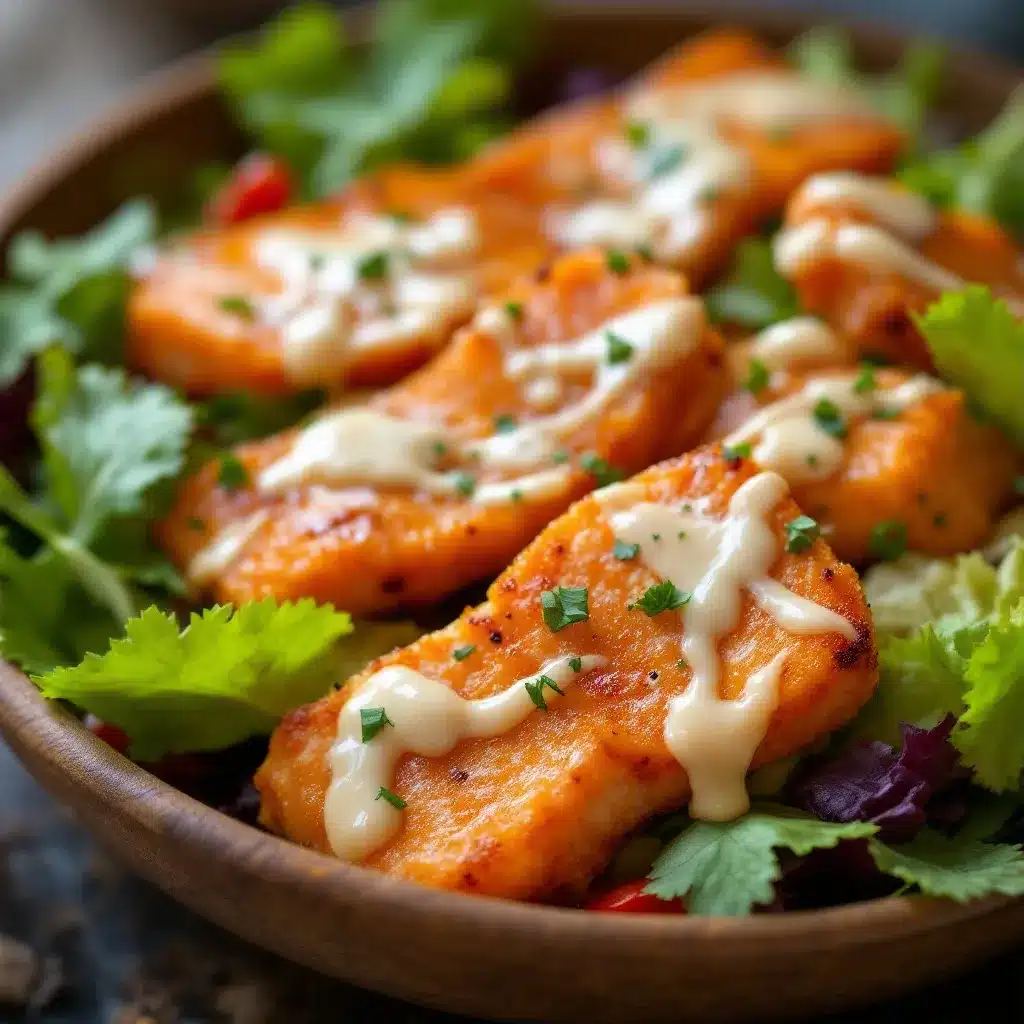
1. Prep the Salmon (5 minutes): Start by patting the salmon fillets completely dry with paper towels. Moisture is the enemy of crispiness. If the fish is wet, it will steam instead of sear. Cut the fillets into 1-inch cubes. Try to keep them uniform so they cook evenly. Place the cubes in a large bowl. Sprinkle the cornstarch over the top. Toss gently until every piece is coated in a thin, dusty layer. It should look like little snowballs. This coating is crucial for the texture.
2. Heat the Pan (2 minutes): Place your skillet over medium-high heat. Add the neutral oil. Wait until the oil shimmers and starts to move freely. It should look like liquid glass. If it smokes, it’s too hot. If it’s still, it’s too cold. You want that sweet spot where the fish will sizzle immediately upon contact.
3. Sear the Salmon (6-8 minutes): Add the salmon cubes to the pan in a single layer. Do not crowd the pan. If you put too many in at once, the temperature drops, and the fish steams. Cook in batches if necessary. Let them sit undisturbed for 2 minutes. This allows the bottom to form a crust. Do not touch them! If you try to move them too early, the coating will stick and tear. After 2 minutes, flip them. They should be golden brown and crispy. Cook for another 2-3 minutes until the fish is opaque and cooked through. Remove the fish to a plate.
4. Make the Sauce (3 minutes): In the same pan, reduce the heat to medium. Add the minced garlic and grated ginger. Sauté for 30 seconds until fragrant. Be careful not to burn the garlic. It turns bitter in seconds. Pour in the honey, soy sauce, and rice vinegar. Whisk constantly. The sauce will bubble and thicken quickly. It should coat the back of a spoon. This takes about 2 minutes.
5. Combine and Serve (1 minute): Return the crispy salmon bites to the pan. Toss them gently in the sauce. You want to coat them, not drown them. The residual heat will finish the sauce. Remove from heat immediately. Sprinkle with sesame seeds and sliced green onions. Serve hot. The crunch will last for about 5 minutes, so eat fast.
Cooking Tips & Techniques
The biggest mistake people make is overcrowding the pan. I learned this the hard way. I once tried to cook four fillets at once, and the result was a soggy, mushy mess. No crunch, no flavor, just sadness. Always cook in batches. It’s worth the extra five minutes. Another tip is to ensure your salmon is dry. I know, it seems obvious, but I’ve seen people skip this step. Water creates steam. Steam prevents browning. Browning creates flavor. It’s a simple chain of events.
When making the sauce, keep the heat moderate. Honey burns easily. If you crank the heat to high, you’ll end up with burnt honey, which tastes like charcoal. Medium heat gives you time to whisk and watch the consistency. You want it glossy, not dark. Also, don’t overcook the salmon. It continues to cook slightly after you remove it from the pan. Take it off when it’s just barely opaque in the center. It will finish cooking on the plate. Overcooked salmon is dry and chalky. Nobody wants that.
Multitasking is key here. While the salmon is searing, get your sauce ingredients ready. Measure everything out before you start cooking. This is called “mise en place,” and it saves you from panic. You don’t want to be fumbling for the soy sauce while the garlic is burning. Keep your tools within arm’s reach. It makes the whole process feel smoother and less stressful.
Variations & Adaptations
You can tweak this recipe to fit your dietary needs or taste preferences. If you’re gluten-free, swap the soy sauce for Tamari or coconut aminos. The cornstarch is naturally gluten-free, so you’re good there. For a spicy kick, add a pinch of red pepper flakes or a dash of sriracha to the sauce. It adds a nice heat that balances the sweetness. I sometimes add a teaspoon of chili crisp for extra texture and flavor.
If you want to make this air-fryer friendly, toss the cornstarch-coated salmon in a little oil and cook at 400°F (200°C) for 8-10 minutes. Shake the basket halfway through. It’s not as crispy as pan-searing, but it’s much easier. For a dairy-free version, this recipe is already dairy-free, so no changes needed. You can also swap the salmon for chicken breast cubes or tofu. Chicken will take slightly longer to cook, so adjust the time accordingly. Tofu needs to be pressed firm to get a good crust.
I once tried this with cod instead of salmon. It worked, but cod is much more delicate. It fell apart easily. Salmon holds up better because it’s firmer. If you use a delicate white fish, handle it with extra care. You can also add vegetables to the pan. Broccoli florets or snap peas cook quickly and add a nice crunch. Just add them to the sauce at the end so they don’t get mushy.
Serving & Storage Suggestions
Serve these bites hot, straight from the pan. They pair beautifully with steamed jasmine rice or cauliflower rice. The sauce is perfect for soaking up with rice. I also like to serve them with a simple cucumber salad. The cool, crisp cucumbers cut through the rich, sticky sauce. It’s a refreshing contrast. For drinks, a cold beer or a crisp white wine like Sauvignon Blanc works well. Avoid heavy reds; they clash with the fish.
To store leftovers, let them cool completely. Place them in an airtight container in the refrigerator for up to 3 days. The salmon will keep, but the crunch will disappear. It will become soft. To reheat, use an air fryer or a skillet. Do not use the microwave. The microwave will make the coating soggy instantly. Reheat in the air fryer at 350°F (175°C) for 3-4 minutes. It restores some of the crispness. The flavors actually meld together over time, so day-old salmon bites can be quite good, even if the texture changes.
Nutritional Information & Benefits
Salmon is packed with omega-3 fatty acids, which are great for heart and brain health. These bites provide a high-protein meal with minimal carbs. The honey adds natural sugars, but the portion size keeps it balanced. Each serving has approximately 350 calories, with 25g of protein and 15g of carbs. It’s a nutrient-dense option that keeps you full. The garlic and ginger have anti-inflammatory properties, adding extra health benefits. This recipe is gluten-free and dairy-free by default, making it suitable for many dietary restrictions. It’s a wholesome choice that doesn’t compromise on flavor.
Conclusion
This Crispy Honey Garlic Salmon Bites recipe is worth trying because it delivers on texture, flavor, and speed. It’s a complete meal in 15 minutes. Customize it with your favorite spices or vegetables. Make it your own. I love this recipe because it’s reliable. It never fails to impress. Try it tonight and see for yourself. Let me know how it turns out in the comments below. Share your variations and tips. Happy cooking!
FAQs
Can I use frozen salmon for this recipe?
Yes, but you must thaw it completely and pat it very dry. Excess moisture from freezing will prevent the crust from forming. Fresh salmon is always better, but frozen works if prepped correctly.
What is the best oil to use for searing?
Avocado oil and canola oil are best due to their high smoke points. Olive oil can burn at high heat, so avoid it for this step. Butter is not recommended as it burns easily.
How do I know when the salmon is done?
The salmon is done when it is opaque throughout and flakes easily with a fork. The internal temperature should reach 145°F (63°C). Be careful not to overcook it.
Can I make the sauce ahead of time?
Yes, you can mix the honey, soy sauce, vinegar, garlic, and ginger ahead of time. Store it in the fridge. Just heat it in the pan before adding the fish back in.
Why did my salmon stick to the pan?
This usually happens if the pan wasn’t hot enough or if the fish was moved too early. Let the crust form before flipping. Also, ensure the cornstarch coating is even and dry.
Pin This Recipe!
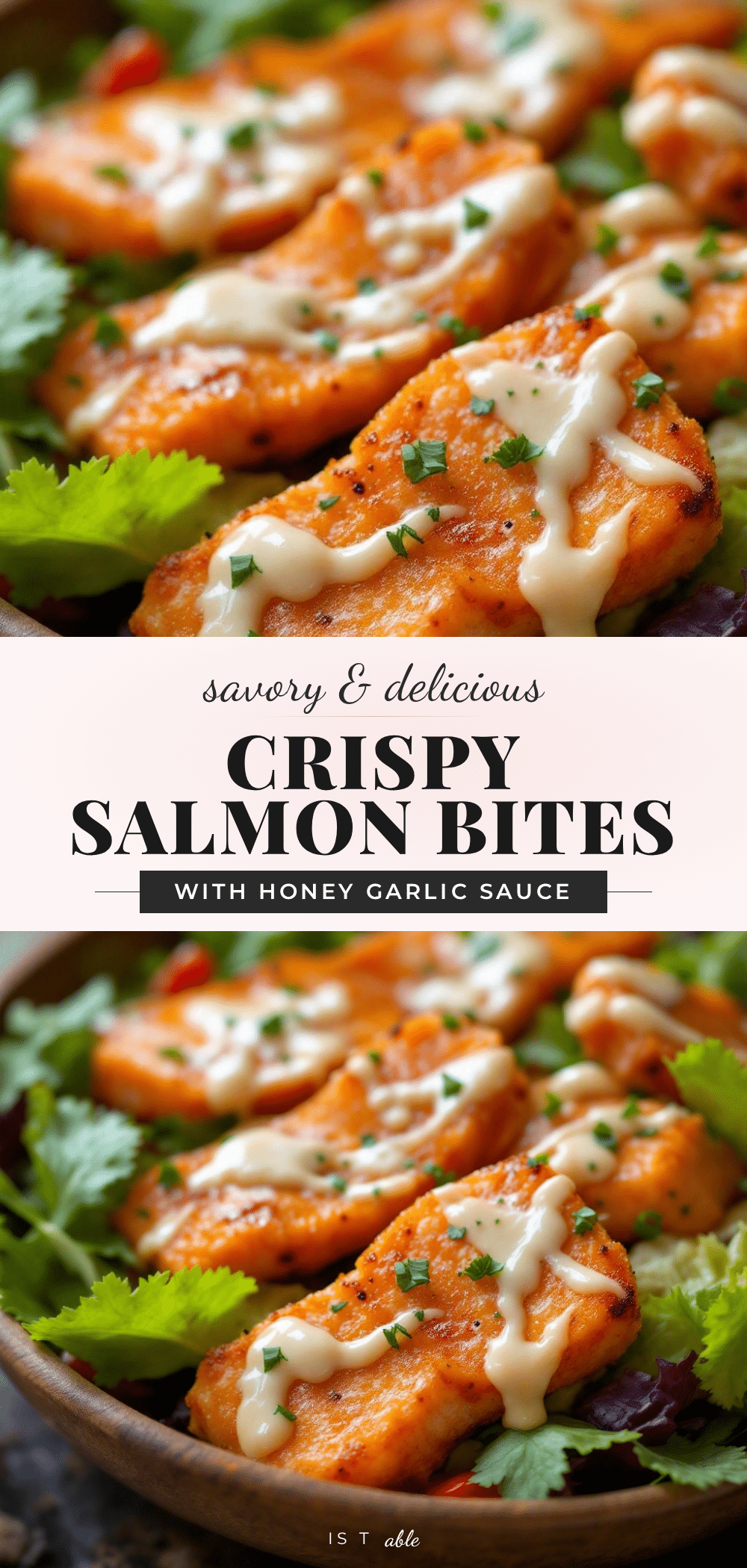
Crispy Honey Garlic Salmon Bites

A quick and easy 15-minute dinner featuring bite-sized salmon cubes coated in cornstarch for a shatteringly crisp exterior, tossed in a sweet and savory honey garlic sauce.
- Prep Time: 5 minutes
- Cook Time: 10 minutes
- Total Time: 15 minutes
- Yield: 4 servings 1x
- Category: Main Course
- Cuisine: Asian Fusion
Ingredients
- 1.5 lbs (680g) Salmon Fillets, cut into 1-inch cubes
- 1/4 cup (30g) Cornstarch
- 2 tbsp (30ml) Neutral Oil (Avocado or Canola)
- 4 cloves Garlic, minced
- 1/4 cup (80g) Honey
- 2 tbsp (30ml) Soy Sauce
- 1 tbsp (15ml) Rice Vinegar
- 1 tsp Ginger, grated
- 1 tbsp Sesame Seeds, toasted
- 2 stalks Green Onions, sliced
Instructions
- Pat salmon fillets completely dry with paper towels and cut into 1-inch cubes.
- Place salmon cubes in a large bowl, sprinkle with cornstarch, and toss gently until coated in a thin, dusty layer.
- Heat neutral oil in a skillet over medium-high heat until it shimmers.
- Add salmon cubes to the pan in a single layer (cook in batches if necessary to avoid crowding).
- Sear salmon undisturbed for 2 minutes to form a crust, then flip and cook for another 2-3 minutes until opaque and cooked through. Remove fish to a plate.
- Reduce heat to medium. Add minced garlic and grated ginger to the same pan; sauté for 30 seconds until fragrant.
- Pour in honey, soy sauce, and rice vinegar. Whisk constantly until the sauce bubbles and thickens, coating the back of a spoon (about 2 minutes).
- Return the crispy salmon bites to the pan and toss gently to coat in the sauce.
- Remove from heat immediately and sprinkle with sesame seeds and sliced green onions. Serve hot.
Notes
Ensure salmon is completely dry before coating to maximize crispiness. Do not overcrowd the pan, as this causes steaming instead of searing. The crunch lasts only about 5 minutes, so serve immediately. For leftovers, reheat in an air fryer or skillet to restore crispness; do not use a microwave.
Nutrition
- Serving Size: Approximately 1/4 of
- Calories: 350
- Sugar: 12
- Sodium: 600
- Fat: 15
- Saturated Fat: 2
- Carbohydrates: 15
- Protein: 25
Keywords: salmon bites, honey garlic salmon, crispy salmon, quick dinner, 15 minute meals, healthy seafood, gluten-free dinner, easy weeknight dinner