The platter was scraped clean before the dessert menu was even brought out. I stood there holding the serving tongs, staring at the hollowed-out shells where the squash had been just twenty minutes prior. My sister-in-law wiped a bit of brown sugar glaze from her chin and asked, quietly, “Is there really no more? I feel like I could eat the whole thing.” Honestly, I wasn’t surprised. It happens every time I make this crispy brown sugar glazed stuffed acorn squash.
It started as a way to use up the last of the harvest from my neighbor’s tree. I had three large acorn squashes sitting on my counter, looking like little green footballs. I wasn’t planning on making a centerpiece. I just wanted something warm for a Tuesday night. But the smell that filled the kitchen when I roasted them with maple and pecans was impossible to ignore. The house smelled like autumn and comfort wrapped together.
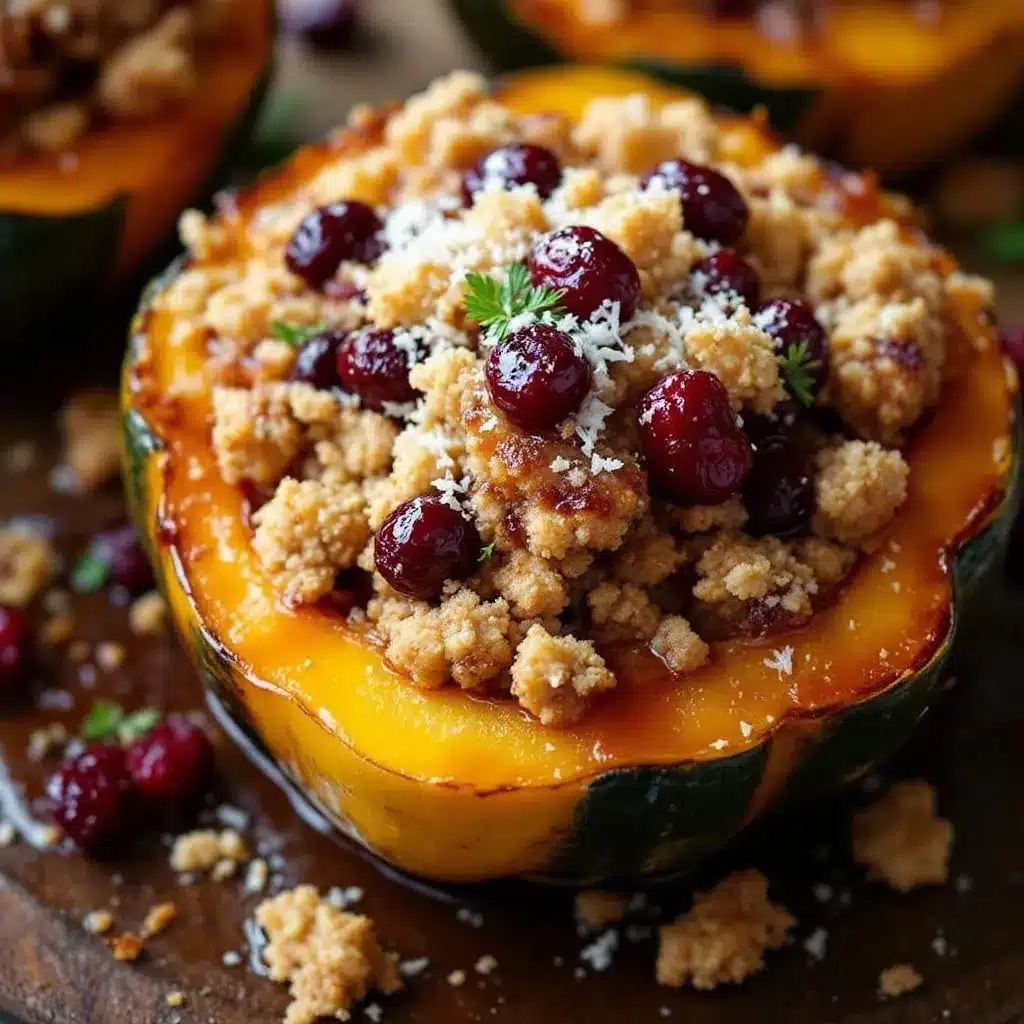
I pulled one out of the oven, expecting a soft, mushy side dish. Instead, the edges had crisped up in the heat, creating a texture contrast I didn’t know I needed. The glaze had caramelized into a sticky, sweet crust that held its shape. When I took that first bite, the crunch gave way to the tender, sweet flesh inside. It wasn’t just a vegetable; it was a moment of pause in a busy week.
Now, it’s a staple. I’ve made it for Thanksgiving, for casual weeknight dinners, and even for holiday parties. The recipe has survived potlucks where people assume it’s a dessert because of the sugar content. It’s savory enough to balance the sweetness, but the brown sugar and glaze make it irresistible. I still remember the first time I served it to my husband. He didn’t say much, just took a second helping while I was still eating my first. That’s the kind of quiet approval I live for. It’s simple, it’s visually striking, and it always leaves people wanting the recipe.
Why You’ll Love This Recipe
This isn’t just another roasted vegetable recipe that sits in the background. This crispy brown sugar glazed stuffed acorn squash is a main event disguised as a side dish. I’ve tested this method dozens of times, tweaking the glaze ratios and roasting temperatures, to get that perfect balance of sweet, salty, and smoky. Here is why this specific preparation stands out from the crowd:
- Quick & Easy Preparation: Despite looking impressive, this comes together in under an hour. You don’t need to spend hours simmering a sauce or prepping a dozen ingredients. It is perfect for busy weeknights or when you want to impress guests without being stuck in the kitchen all day.
- Simple Ingredients: You likely already have everything in your pantry. Acorn squash, brown sugar, butter, maple syrup, and some spices. No fancy grocery trips needed for obscure items. This accessibility makes it a go-to for last-minute dinner plans.
- Perfect for Holiday Gatherings: Whether it is Thanksgiving, Christmas, or a winter solstice party, this dish fits right in. The presentation is stunning, with the golden-brown glaze contrasting against the dark green skin. It adds a festive touch to any table.
- Crowd-Pleaser: Kids who usually turn their noses up at vegetables often ask for seconds of this. The sweetness masks the earthy flavor of the squash, making it a safe bet for picky eaters. Adults love it too, especially the texture contrast.
- Unbelievably Delicious: The texture is next-level comfort food. The outside gets slightly crispy and caramelized, while the inside becomes creamy and spoonable. It hits all the right sensory notes.
What makes this recipe different is the stuffing technique. Many recipes just roast the squash hollow. I stuff it with a mixture that adds depth—think toasted nuts, herbs, and a hint of cheese. This adds protein and texture, turning it into a more substantial dish. It’s comfort food reimagined, healthier but with the same soul-soothing satisfaction. It’s the kind of recipe that makes you close your eyes after the first bite and just smile. It’s reliable, delicious, and always a hit.
What Ingredients You Will Need
This recipe uses simple, wholesome ingredients to deliver bold flavor and satisfying texture without the fuss. The key is quality. Since there are few components, each one needs to shine. I rely on pantry staples that I always have on hand, making this a stress-free addition to your meal planning. Here is what you need to get started:
- Acorn Squash: You will need two medium-sized acorn squashes. Look for ones that are heavy for their size with a deep green skin. The flesh should be firm. Avoid any with soft spots or cracks. If you can’t find acorn squash, butternut squash works, but the shape changes the presentation.
- Unsalted Butter: I recommend using high-quality unsalted butter, like Kerrygold or Plugrá. It provides a rich, creamy base for the glaze and helps the sugar caramelize evenly. Salted butter can work, but you’ll need to reduce the added salt in the recipe.
- Brown Sugar: Dark brown sugar is best here because of its molasses content. It adds a deeper, more complex sweetness than light brown sugar. It creates that sticky, glossy finish on the squash. Make sure it is soft and clump-free before measuring.
- Maple Syrup: Use real maple syrup, not pancake syrup. Grade A or Grade B both work, but Grade B has a stronger flavor that stands up well to the squash. It adds a distinct earthy sweetness that complements the brown sugar.
- Heavy Cream: A splash of heavy cream helps emulsify the glaze, making it smooth and pourable. It also adds a luxurious mouthfeel. If you want a lighter version, half-and-half works, but the glaze won’t be as rich.
- Spices: Ground cinnamon, nutmeg, and a pinch of cayenne pepper. The cinnamon and nutmeg bring warmth, while the cayenne adds a subtle kick that cuts through the sweetness. It’s a secret weapon that keeps the flavor from being one-dimensional.
- Salt and Black Pepper: Kosher salt is preferred for its even distribution. Freshly cracked black pepper adds a bit of heat and aroma. Season the squash flesh before stuffing to build flavor from the inside out.
- Optional Toppings: Toasted pecans or walnuts add crunch. Crumbled goat cheese or feta adds tanginess. Fresh thyme or rosemary adds an herbal note. These are not mandatory, but they elevate the dish significantly.
For the stuffing, I often mix in some cooked quinoa or wild rice for bulk. This makes the dish more filling and adds a nice chewy texture. You can also add sautéed onions or mushrooms for extra savoriness. The base recipe is flexible, so feel free to adjust based on what you have in your fridge. The goal is to create a harmony of sweet, savory, and crunchy elements.
Equipment Needed
You don’t need a professional kitchen to make this recipe, but having the right tools makes the process smoother and the results better. Here is what you’ll need:
- Sharp Chef’s Knife: Cutting through raw acorn squash can be tough. A sharp, heavy-duty chef’s knife is essential. I learned this the hard way with a dull paring knife. Take your time and use a rock-solid cutting board.
- Spoon or Scoop: You’ll need a sturdy spoon to scoop out the seeds and stringy pulp from the center of the squash. A grapefruit spoon works well, but a regular metal spoon does the job fine.
- Baking Dish or Sheet Pan: A 9×13 inch baking dish is ideal for holding the squash halves securely. Alternatively, a rimmed baking sheet works if you create a foil boat to hold them upright. Ensure the dish is large enough to fit the squash without crowding.
- Small Saucepan: You’ll use this to melt the butter and combine the glaze ingredients. A small saucepan prevents burning and allows for easy whisking. If you don’t have one, a microwave-safe bowl works for quick melting.
- Pastry Brush: This is crucial for applying the glaze evenly. A silicone brush is easy to clean and handles heat well. It helps you get the glaze into the crevices of the squash flesh.
If you don’t have a pastry brush, you can use a spoon to drizzle the glaze, but it won’t be as precise. For the baking dish, a cast-iron skillet is a great alternative if you want to go from oven to table. Just make sure it’s oven-safe. These tools are basic, but they make a big difference in the final texture and appearance of the dish.
Preparation Method
Getting this crispy brown sugar glazed stuffed acorn squash right is about technique and timing. Follow these steps carefully to ensure perfect results. The process is straightforward, but attention to detail matters.
- Preheat and Prep: Start by preheating your oven to 400°F (200°C). This high heat is necessary for caramelization. Line your baking dish with parchment paper or foil for easy cleanup. This takes about 5 minutes.
- Cut the Squash: Wash the acorn squashes thoroughly. Place them on a stable cutting board. Carefully cut them in half lengthwise, from stem to root. This is the hardest part. Use a sawing motion with your chef’s knife. Be safe and keep your fingers clear. It should take about 2-3 minutes per squash.
- Remove Seeds: Use a spoon to scoop out the seeds and stringy pulp from the center of each half. Save the seeds if you want to roast them later with salt and pepper. Scrape the inside until it is clean. This takes about 1 minute.
- Season the Flesh: Lightly drizzle the inside of the squash with olive oil. Sprinkle with salt and pepper. This seasons the flesh directly, ensuring it isn’t bland. Set the halves cut-side up in the baking dish.
- Initial Roast: Place the squash in the preheated oven. Roast for 20 minutes. This partially cooks the flesh, making it tender enough to stuff without falling apart. The edges should start to soften. Check for doneness by piercing with a fork.
- Prepare the Stuffing: While the squash roasts, make the stuffing. In a bowl, mix cooked quinoa (or rice), toasted pecans, sautéed onions, and a handful of fresh herbs. Season with salt and pepper. If you like it creamy, add a dollop of cream cheese or goat cheese. Mix until combined.
- Stuff the Squash: Remove the squash from the oven. Carefully spoon the stuffing mixture into the cavities. Pack it in gently but firmly. Don’t overfill, as it will expand slightly. Return to the oven for another 10 minutes to heat through. The squash should be tender all the way to the skin.
- Make the Glaze: In a small saucepan over medium heat, melt the butter. Stir in the brown sugar, maple syrup, heavy cream, cinnamon, nutmeg, and cayenne. Whisk constantly until the sugar dissolves and the mixture bubbles. It should look glossy and thick. This takes about 3-5 minutes. Do not walk away; it can burn quickly.
- Glaze and Finish: Remove the squash from the oven. Brush the top of the stuffing and the exposed squash flesh generously with the warm glaze. Return to the oven for 5-10 minutes. The glaze should bubble and caramelize, forming a crispy crust. Watch closely to prevent burning.
- Rest and Serve: Let the squash rest for 5 minutes before serving. This allows the glaze to set slightly and makes it easier to handle. Garnish with extra pecans or fresh thyme. Serve warm.
The total time is about 45-50 minutes. The key is to not rush the initial roast. If the squash is too hard, it won’t absorb the glaze well. If it’s too soft, it might collapse. Aim for tender but firm.
Cooking Tips & Techniques
After making this dish many times, I’ve learned a few tricks to avoid common pitfalls. The biggest mistake people make is under-roasting the squash initially. You need that tender base. Another tip is to toast your nuts before adding them to the stuffing. It brings out their flavor and adds a crunch that lasts longer. Don’t skip that step.
When making the glaze, keep the heat medium-low. Brown sugar burns easily. If you see it getting too dark, take it off the heat immediately. You can also add a splash of apple cider vinegar to the glaze for acidity. It balances the sweetness perfectly. I usually add a teaspoon at the end. It’s a game-changer.
For even cooking, make sure all your squash halves are similar in size. If one is much larger, it will take longer to cook. You can cover the smaller ones with foil partway through if needed. Also, don’t crowd the baking dish. Air circulation helps the edges crisp up. If you have to use two pans, do it. Better results are worth the extra dish.
Another personal tip: taste the stuffing before stuffing. Adjust the seasoning while it’s cold. Once it’s in the squash, it’s harder to fix. And for the glaze, brush it on in layers. One thick coat can slide off. Two thin coats stick better and create a nicer texture. It takes a little more time, but it’s worth it.
Variations & Adaptations
This recipe is very flexible. Here are a few ways to adapt it to your preferences or dietary needs:
- Gluten-Free: Use gluten-free quinoa or rice for the stuffing. Ensure your maple syrup is certified gluten-free. This recipe is naturally gluten-free if you watch your additives.
- Vegan: Swap the butter for vegan butter or coconut oil. Use maple syrup as the sweetener (which it already is). Skip the cream or use coconut cream. For the stuffing, omit cheese or use vegan cheese. The glaze can be made with coconut sugar for a lower glycemic index.
- Low-Carb/Keto: Skip the rice or quinoa. Use cauliflower rice or chopped nuts as the base for the stuffing. Use erythritol or monk fruit sweetener instead of brown sugar. The glaze will still work, just check the label for hidden carbs.
- Flavor Twist: Add chopped apples or pears to the stuffing for extra fruitiness. Use sage instead of thyme for a more traditional Thanksgiving vibe. Add crumbled bacon for a smoky, salty contrast. I once made it with chorizo, and it was surprisingly good.
- Spice Level: Increase the cayenne or add red pepper flakes for more heat. Or omit it entirely for a purely sweet dish. It depends on your audience.
I once tried stuffing it with a mixture of cranberry sauce and walnuts. It was a bit too sweet, but my kids loved it. Experimentation is part of the fun. You can also use different types of squash, like delicata or hubbard, though the cooking time may vary.
Serving & Storage Suggestions
Serve this dish warm, right out of the oven. It looks beautiful on a platter, especially garnished with fresh herbs. It pairs well with roast chicken, turkey, or grilled salmon. For a complete meal, add a crisp green salad with a vinaigrette to cut through the richness. A glass of red wine or spiced cider complements the flavors nicely.
Leftovers can be stored in an airtight container in the refrigerator for up to 3 days. The glaze will harden, so you’ll need to reheat it. The best way is in the oven at 350°F for 10-15 minutes. This restores the crispiness. You can also reheat it in the microwave, but it will be softer. Avoid the stovetop, as it might stick.
Can you freeze it? Yes, but the texture of the squash may become softer upon thawing. It’s best eaten fresh. If you do freeze it, thaw it in the fridge overnight and reheat gently. The flavors actually meld together nicely over time, so day-two leftovers are often quite good.
Nutritional Information & Benefits
Acorn squash is a nutritional powerhouse. It is low in calories but high in fiber, which aids digestion and keeps you feeling full. It is rich in Vitamin A, which supports eye health and immunity. The brown sugar and glaze add some sugar, so enjoy in moderation. The nuts and seeds add healthy fats and protein, making this a balanced side dish. It is naturally gluten-free and can be adapted for vegan or keto diets. The spices like cinnamon and nutmeg have anti-inflammatory properties. Overall, it’s a guilt-free indulgence that nourishes your body.
Conclusion
This crispy brown sugar glazed stuffed acorn squash is more than just a side dish. It’s a celebration of autumn flavors, textures, and comfort. It’s easy to make, visually stunning, and always a crowd-pleaser. I hope you try it and find it as rewarding as I do. Feel free to customize the stuffing and glaze to suit your taste. I’d love to hear how it turns out for you. Leave a comment below with your variations or questions. Share your photos on social media and tag me. Happy cooking!
FAQs
Can I make this recipe ahead of time?
Yes, you can prep the squash and stuffing ahead. Store them separately in the fridge. Assemble and glaze just before baking. This saves time on the day of your event.
What if I don’t have acorn squash?
Butternut squash or delicata squash can be used. Adjust the cooking time as needed. Butternut may require peeling and cubing instead of halving.
How do I know when the squash is done?
Pierce the flesh with a fork. It should slide in easily with little resistance. The edges should be tender but not mushy.
Can I use light brown sugar?
Yes, but dark brown sugar has more molasses and creates a deeper flavor. Light brown sugar will work but the glaze will be lighter in color.
Is the glaze too sweet?
The sweetness is balanced by the savory stuffing and spices. If you prefer less sweet, reduce the brown sugar by half and add more butter and cream.
Pin This Recipe!
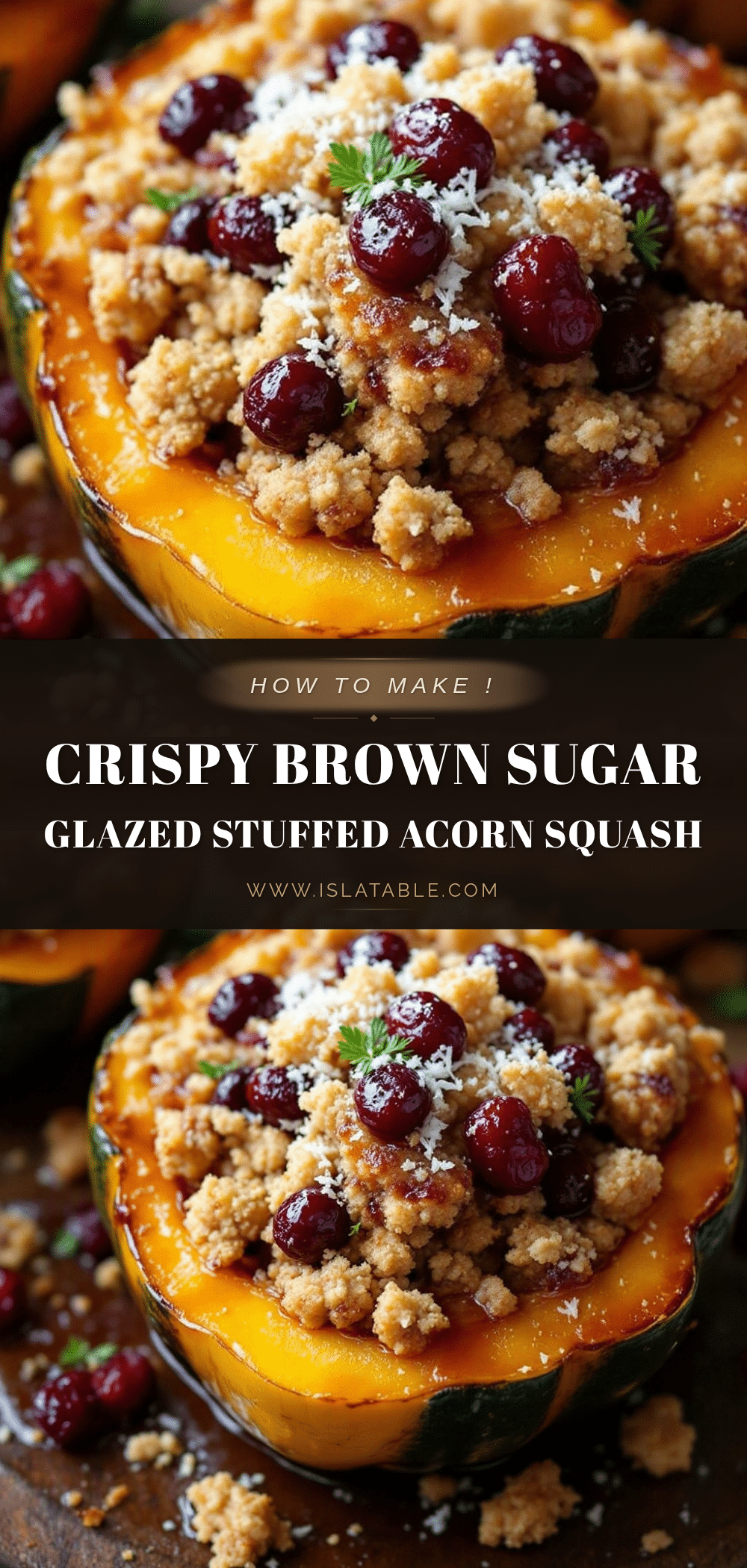
Crispy Brown Sugar Glazed Stuffed Acorn Squash
A festive and flavorful side dish featuring acorn squash halves roasted until tender, stuffed with a savory mixture of quinoa, nuts, and herbs, and finished with a caramelized brown sugar and maple glaze.
- Prep Time: 15 minutes
- Cook Time: 35 minutes
- Total Time: 50 minutes
- Yield: 4 servings 1x
- Category: Side Dish
- Cuisine: American
Ingredients
- 2 medium acorn squashes
- 2 tbsp unsalted butter
- 1/4 cup dark brown sugar
- 2 tbsp maple syrup
- 2 tbsp heavy cream
- 1/2 tsp ground cinnamon
- 1/4 tsp ground nutmeg
- 1 pinch cayenne pepper
- 1 tbsp olive oil
- Salt and freshly cracked black pepper
- 1 cup cooked quinoa or wild rice
- 1/2 cup toasted pecans or walnuts, chopped
- 1/2 cup sautéed onions
- Fresh herbs (thyme or rosemary)
- Optional: Crumbled goat cheese or feta
Instructions
- Preheat oven to 400°F (200°C). Line a 9×13 inch baking dish with parchment paper or foil.
- Wash acorn squashes and cut them in half lengthwise. Carefully scoop out seeds and pulp with a spoon.
- Drizzle the inside of the squash with olive oil and season with salt and pepper. Place cut-side up in the baking dish.
- Roast the squash for 20 minutes until partially tender.
- While squash roasts, mix cooked quinoa, toasted nuts, sautéed onions, and fresh herbs in a bowl. Season with salt and pepper.
- Remove squash from oven and stuff the cavities with the quinoa mixture. Return to oven for 10 minutes.
- In a small saucepan over medium heat, melt butter. Whisk in brown sugar, maple syrup, heavy cream, cinnamon, nutmeg, and cayenne until glossy and thick.
- Remove squash from oven. Brush generously with the warm glaze.
- Return to oven for 5-10 minutes until glaze bubbles and caramelizes into a crispy crust.
- Let rest for 5 minutes before serving. Garnish with extra nuts or herbs.
Notes
Ensure squash is tender but firm before stuffing to prevent collapse. Toast nuts beforehand for better flavor and crunch. The glaze can burn easily, so keep heat medium-low and watch closely. For a vegan version, swap butter for vegan butter and omit cheese.
Nutrition
- Serving Size: 1 stuffed squash hal
- Calories: 320
- Sugar: 28
- Sodium: 250
- Fat: 14
- Saturated Fat: 6
- Carbohydrates: 48
- Fiber: 6
- Protein: 5
Keywords: acorn squash, holiday side dish, Thanksgiving recipe, brown sugar glaze, stuffed squash, vegetarian side, easy dinner, autumn recipes