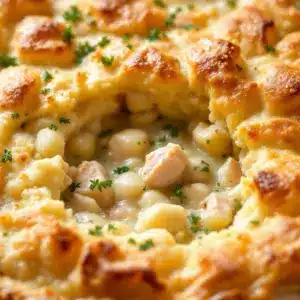
Thick, orange ribbons of sauce clinging to every nook and cranny of the pasta, and that’s the whole point.
It’s not just about the taste, though the sweetness of the pumpkin is undeniable. It’s about that specific, heavy viscosity. You know that moment when you twirl the fork and the sauce doesn’t slide off? It stays. It coats the noodles in a warm, velvety hug. I remember standing over my stove last November, watching that happen for the first time, and I actually stopped breathing for a second. It looked like liquid gold, but heavier. Richer. The kind of texture that feels like a weighted blanket for your stomach.
I’ve made a thousand pasta dishes. I’ve made creamy Mexican street corn pasta salad that’s tangy and bright, and I’ve made fresh gluten-free caprese pasta salad that’s light and summery. But this? This is different. This is the dish you make when the world feels a little too sharp and you need something soft to hold onto.
The secret isn’t just the pumpkin puree. It’s the alfredo base. Most people think alfredo is just butter and cheese, but for this creamy pumpkin alfredo pasta, you need cream. Lots of it. And you need to let it simmer until it reduces. I used to rush this step. I’d throw the sauce together in ten minutes and wonder why it tasted thin. Now, I wait. I watch the bubbles pop slowly, one by one, until the sauce thickens enough to leave a trail on the back of a spoon. It’s meditative, honestly. You stand there, stirring, and the kitchen smells like roasted squash and garlic.
Then comes the sage. Fresh sage leaves fried in butter until they are crisp and dark green. They add a salty, earthy crunch that cuts through the sweetness. Without them, the dish would be too sweet, too one-dimensional. With them, it has structure. It has contrast. It’s the difference between a hug and a conversation.
I keep coming back to this recipe because it feels like autumn in a bowl. It’s not complicated. You don’t need fancy ingredients. You just need patience. And maybe a good wooden spoon. When I serve this to friends, they always ask about the sauce. They want to know the trick. The trick is just letting it do its thing. Don’t stir it too much at the end, or you’ll break the noodles. Let them sit in the sauce for a minute. Let the flavors marry.
There’s a quiet satisfaction in eating this. It’s not flashy. It doesn’t try to be anything other than what it is: a creamy, comforting, deeply flavorful meal. And that’s enough. More than enough, actually. It’s the kind of meal that makes you forget about your phone for an hour. You just eat, and you breathe, and you feel okay.
Why You’ll Love This Creamy Pumpkin Alfredo Pasta Recipe
Let’s be honest for a second. We all have those weeks where cooking feels like a chore. You come home tired, your feet hurt, and the last thing you want to do is spend two hours over a hot stove. This creamy pumpkin alfredo pasta changes that narrative entirely. It’s not just fast; it’s genuinely effortless once you get the rhythm down. I’ve tested this recipe on everything from busy Tuesday nights when I’m running on caffeine and hope, to lazy Sunday afternoons when I want to feel like a gourmet chef without the stress.
Here is why this dish has earned a permanent spot in my weekly rotation:
- Quick & Easy: You can have this on the table in under 30 minutes. The pasta boils while the sauce simmers, so you’re multitasking without even trying. It’s perfect for busy weeknights or those last-minute cravings when you don’t want to order takeout.
- Simple Ingredients: You likely already have most of this in your kitchen. Pumpkin puree, heavy cream, parmesan, butter, and pasta. No fancy grocery trips needed. It’s pantry-friendly comfort food at its finest.
- Perfect for Cozy Dinners: This is the ultimate comfort food for chilly evenings. It’s warm, hearty, and deeply satisfying. It feels like a hug in a bowl, which is exactly what you need when the weather turns crisp.
- Crowd-Pleaser: I’ve served this to picky eaters, including my own kids, and they always go back for seconds. The sweetness of the pumpkin masks the veggies in a way that works, and the creamy sauce is a universal hit. Adults love the sophistication of the sage, while kids love the cheesy, orange goodness.
- Unbelievably Delicious: The texture and flavor combo is next-level. The sauce is silky smooth, not grainy or separated. The sage adds a savory note that keeps it from being too sweet. It’s balanced perfection.
What makes this recipe different from the rest? A lot of pumpkin pasta recipes rely on too much sugar or artificial flavoring. This one uses real pumpkin puree and balances it with sharp parmesan and nutty sage. It’s not a dessert; it’s a savory main course. The technique of frying the sage in butter first infuses the fat with flavor, which then gets emulsified into the cream. It’s a small step that makes a huge difference. It’s not just another version—it’s your best version of fall pasta.
Connect emotionally by tapping into the why: This recipe isn’t just good—it is the kind that makes you close your eyes after the first bite. It’s comfort food reimagined—healthier than a heavy cream sauce, faster than a homemade dough, but with the same soul-soothing satisfaction. It’s perfect for impressing guests without stress, or turning a simple meal into something memorable.
What Ingredients You Will Need for Pumpkin Alfredo
This recipe uses simple, wholesome ingredients to deliver bold flavor and satisfying texture without the fuss. The beauty of this dish lies in how a few high-quality components come together to create something far greater than the sum of its parts. You don’t need exotic spices or hard-to-find items. Just good basics, treated with respect.
- Pasta: I recommend using fettuccine or pappardelle. Their wide, flat surfaces are perfect for catching and holding the thick alfredo sauce. Whole wheat or chickpea pasta works too if you’re looking for a bit more fiber, but traditional semolina pasta gives you that classic chew.
- Pumpkin Puree: Make sure you use 100% pure pumpkin puree, not pumpkin pie filling. Pie filling has added sugar and spices that will throw off the savory balance of the alfredo. Look for brands like Libby’s for consistent texture. If you’re feeling ambitious, roasting your own sugar pumpkin and pureeing it is great, but canned is perfectly fine and much faster.
- Heavy Cream: This is the backbone of the sauce. Don’t skimp here. Half-and-half will work in a pinch, but the sauce won’t be as rich or stable. Heavy cream provides the necessary fat content to emulsify with the cheese and pumpkin. It creates that luxurious mouthfeel we’re chasing.
- Unsalted Butter: We use butter for frying the sage and for enriching the sauce. Unsalted allows you to control the salt level, especially since parmesan and pancetta (if using) can be salty. Use a good quality European-style butter if you can find it; the higher fat content makes a noticeable difference in flavor.
- Fresh Sage Leaves: This is the non-negotiable element. Fresh sage has a piney, earthy flavor that dried sage just can’t replicate. Look for bunches with vibrant green leaves. You’ll need about a handful, maybe 15-20 leaves, depending on how strong you like the sage flavor.
- Garlic: Fresh garlic cloves, minced. Garlic powder won’t give you the same aromatic punch. Fresh garlic blooms in the butter, creating a fragrant base for the sauce. Be careful not to burn it; you want it golden and fragrant, not brown and bitter.
- Parmesan Cheese: Use freshly grated parmesan from a block. Pre-grated cheese contains anti-caking agents that prevent it from melting smoothly, leading to a grainy sauce. Look for brands like BelGioioso or a block from the cheese counter. You’ll need about a cup, packed.
- Nutmeg: A tiny pinch of freshly grated nutmeg. It complements the pumpkin beautifully and adds a subtle warmth. If you only have ground nutmeg, use a very small amount, as it’s potent.
- Salt and Black Pepper: To taste. Always season at the end, after the cheese is melted, so you can adjust based on the saltiness of your cheese.
For substitution guidance: If you need a dairy-free option, you can swap the heavy cream for full-fat coconut cream and use a dairy-free parmesan alternative. The flavor will be slightly different, more tropical, but still creamy. For a lighter version, you can use half-and-half, but reduce the heat to prevent curdling.
Equipment Needed
You don’t need a fancy kitchen to make this. Here is what you’ll actually use:
- Large Pot: For boiling the pasta. Make sure it’s big enough to allow the noodles to move freely.
- Large Skillet or Dutch Oven: This is where the magic happens. You need enough surface area to fry the sage and enough depth to hold the sauce. A 12-inch skillet is ideal.
- Wooden Spoon: Essential for stirring the sauce without scratching non-stick pans. It also helps with emulsification.
- Microplane or Grater: For grating fresh nutmeg and parmesan. Freshly grated nutmeg is a game-changer; the aroma is incomparable.
- Colander: For draining the pasta. Save some pasta water! It’s liquid gold for adjusting sauce consistency.
If you don’t have a large skillet, you can use a saucepan, but you might need to cook the sage in batches. Budget-friendly option: A standard stainless steel skillet works perfectly fine. Just be sure to deglaze it with a little pasta water if any bits stick, to keep the sauce smooth.
Preparation Method
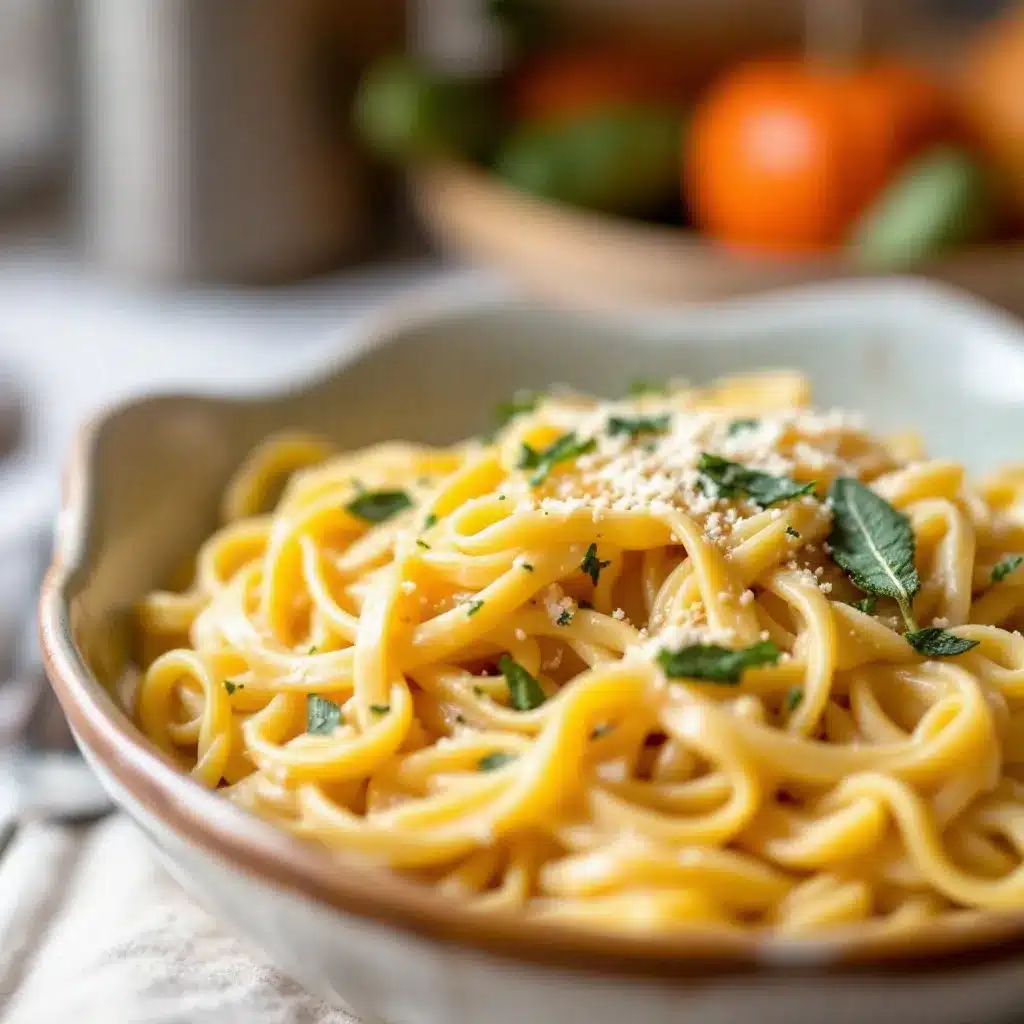
- Boil the Pasta: Bring a large pot of generously salted water to a boil. Add your fettuccine or pappardelle. Cook according to package directions, but take it out 1-2 minutes before it’s fully al dente. It will finish cooking in the sauce. Before draining, reserve about one cup of starchy pasta water. This is crucial for the sauce. (Time: 8-10 minutes)
- Prepare the Sage: While the pasta cooks, pat the sage leaves dry with a paper towel. Moisture is the enemy of crisp sage. Heat a large skillet over medium heat and add the butter. Once the butter is melted and foaming, add the sage leaves in a single layer. Fry them for about 30-60 seconds per side until they are crisp and dark green. Remove them with a slotted spoon and set aside on a paper towel. Leave the sage-infused butter in the pan. (Time: 3 minutes)
- Sauté the Garlic: Reduce the heat to low. Add the minced garlic to the sage butter. Sauté for about 30 seconds until fragrant. Do not let the garlic brown, or it will turn bitter. Stir constantly. (Time: 1 minute)
- Make the Sauce Base: Pour in the heavy cream and the pumpkin puree. Whisk gently to combine. Bring the mixture to a very gentle simmer. You want small bubbles, not a rolling boil. Let it simmer for 3-5 minutes, stirring occasionally, until it thickens slightly. The sauce should coat the back of a spoon. (Time: 5 minutes)
- Emulsify with Cheese: Remove the pan from the heat. This is important. If you add cheese to a boiling sauce, it can seize up. Stir in the grated parmesan cheese until melted and smooth. If the sauce is too thick, add a splash of the reserved pasta water. If it’s too thin, let it simmer for another minute off the heat with the lid on. (Time: 2 minutes)
- Combine Pasta and Sauce: Add the drained pasta directly into the skillet with the sauce. Toss gently with tongs or a wooden spoon to coat every noodle. Add a little more pasta water if needed to get that glossy, clingy texture you saw in the intro. (Time: 2 minutes)
- Season and Serve: Taste the sauce. Add salt and black pepper as needed. Remember, the parmesan is salty, so go easy on the salt initially. Sprinkle with the crispy sage leaves. Serve immediately while hot. (Time: 1 minute)
Cooking Tips & Techniques
Here are some lessons I’ve learned the hard way so you don’t have to:
- Don’t Burn the Garlic: Garlic burns faster than you think. If you hear it sizzling loudly, take the pan off the heat for a few seconds. Bitter garlic ruins the whole dish.
- Control the Heat: When adding the cream and pumpkin, keep the heat low. High heat can cause the sauce to separate or the cheese to clump. Low and slow is the key to a silky smooth alfredo.
- Pasta Water is Key: Never skip the pasta water. The starch helps the sauce adhere to the noodles and creates an emulsion. Add it a little at a time until you reach your desired consistency.
- Fry Sage Properly: Wet sage leaves will splatter. Make sure they are dry. Also, don’t overcrowd the pan when frying sage, or they will steam instead of crisp up.
- Consistency Check: The sauce will continue to thicken as it cools. It’s better to have it slightly looser in the pan than too thick on the plate. You can always add more cream or pasta water later.
Variations & Adaptations
Flexibility is what makes cooking fun. Here are a few ways to tweak this recipe:
- Protein Boost: Add grilled chicken breast, sliced, or crispy bacon bits. For a vegetarian option, try adding roasted butternut squash cubes or sautéed mushrooms.
- Gluten-Free: Use your favorite gluten-free pasta. Rice-based or corn-based blends work well. Note that GF pasta can be more fragile, so handle gently.
- Dairy-Free: Swap heavy cream for full-fat canned coconut milk. Use a vegan parmesan alternative. The flavor will be slightly sweeter and more coconut-forward, but still creamy.
- Spicy Kick: Add a pinch of red pepper flakes to the butter when frying the sage. It adds a nice heat that contrasts with the sweet pumpkin.
- Herb Swap: If you can’t find fresh sage, you can use fresh thyme or rosemary, though the flavor profile will change. Sage is classic, but thyme is a nice alternative.
My personal variation: I sometimes add a splash of white wine to the pan after frying the sage, letting it reduce before adding the cream. It adds a nice acidity that cuts through the richness. It’s a chef’s touch, but very easy.
Serving & Storage Suggestions
Serve this dish immediately while the pasta is hot and the sauce is glossy. Garnish with extra crispy sage leaves and a sprinkle of parmesan. It pairs beautifully with a simple arugula salad with lemon vinaigrette to cut the richness. For beverages, a crisp white wine like Pinot Grigio or a light-bodied Chardonnay works well.
Storage: Store leftovers in an airtight container in the refrigerator for up to 3 days. The sauce will thicken significantly in the fridge.
Reheating: Reheat gently in a skillet over low heat with a splash of milk, cream, or pasta water. Microwave reheating can cause the sauce to separate, so stovetop is best. Stir frequently to ensure even heating.
Flavor Development: The flavors actually meld and deepen overnight. The pumpkin taste becomes more pronounced, and the sage infuses the sauce further. It’s surprisingly good cold the next day, almost like a pasta salad, though warm is best.
Nutritional Information & Benefits
While this is a comfort food dish, it can be part of a balanced diet. Pumpkin is rich in Vitamin A, fiber, and antioxidants. It adds natural sweetness and creaminess without needing excessive amounts of butter or cream. One serving (approximately 1.5 cups) contains roughly 600-700 calories, depending on the pasta and cream used. It is high in carbohydrates and fat, so portion control is key if you are watching your intake. For a lighter option, use half-and-half and whole wheat pasta. The sage provides trace minerals and antioxidants. It’s a hearty meal that provides sustained energy, perfect for cooler months when your body needs more fuel.
Conclusion
This creamy pumpkin alfredo pasta with crispy sage is more than just a recipe; it’s a reminder that simple ingredients can create extraordinary comfort. It’s easy to make, incredibly delicious, and perfect for any time of year, though it shines brightest in the fall. I encourage you to try it and make it your own. Add your favorite protein, swap the herbs, or adjust the spice level. The base is a canvas. I love this recipe because it brings me back to those quiet, cozy evenings. It’s a dish that says, “Slow down and enjoy.”
Please try it out and let me know how it turns out! I’d love to hear your variations in the comments below. Share your photos on social media and tag me. Happy cooking!
FAQs
Can I use pumpkin pie filling instead of pure pumpkin puree?
No, avoid using pumpkin pie filling. It contains added sugars, thickeners, and spices that will make the alfredo sauce too sweet and potentially grainy. Stick to 100% pure pumpkin puree for the correct savory balance.
How do I fix a separated sauce?
If your sauce separates, it’s usually due to high heat. Remove the pan from the heat immediately. Add a splash of cold water or cream and whisk vigorously to bring it back together. If it’s too late, you can try blending it briefly with an immersion blender.
Can I make this ahead of time?
You can prep the sauce ahead of time, but it’s best to cook the pasta fresh. Reheating cooked pasta can make it mushy. If you must, cook the pasta al dente, toss it with a little oil, and reheat it gently in the sauce with a splash of water.
What kind of pasta works best?
Wide, flat pastas like fettuccine, pappardelle, or tagliatelle are ideal because they hold the thick sauce well. Penne or rigatoni can work too, as the sauce gets trapped inside, but the texture experience is different.
Is fresh sage better than dried sage?
Yes, fresh sage is significantly better for frying. It crisps up nicely and has a brighter, more complex flavor. Dried sage can be tough and doesn’t fry well, often becoming chewy rather than crisp.
Pin This Recipe!
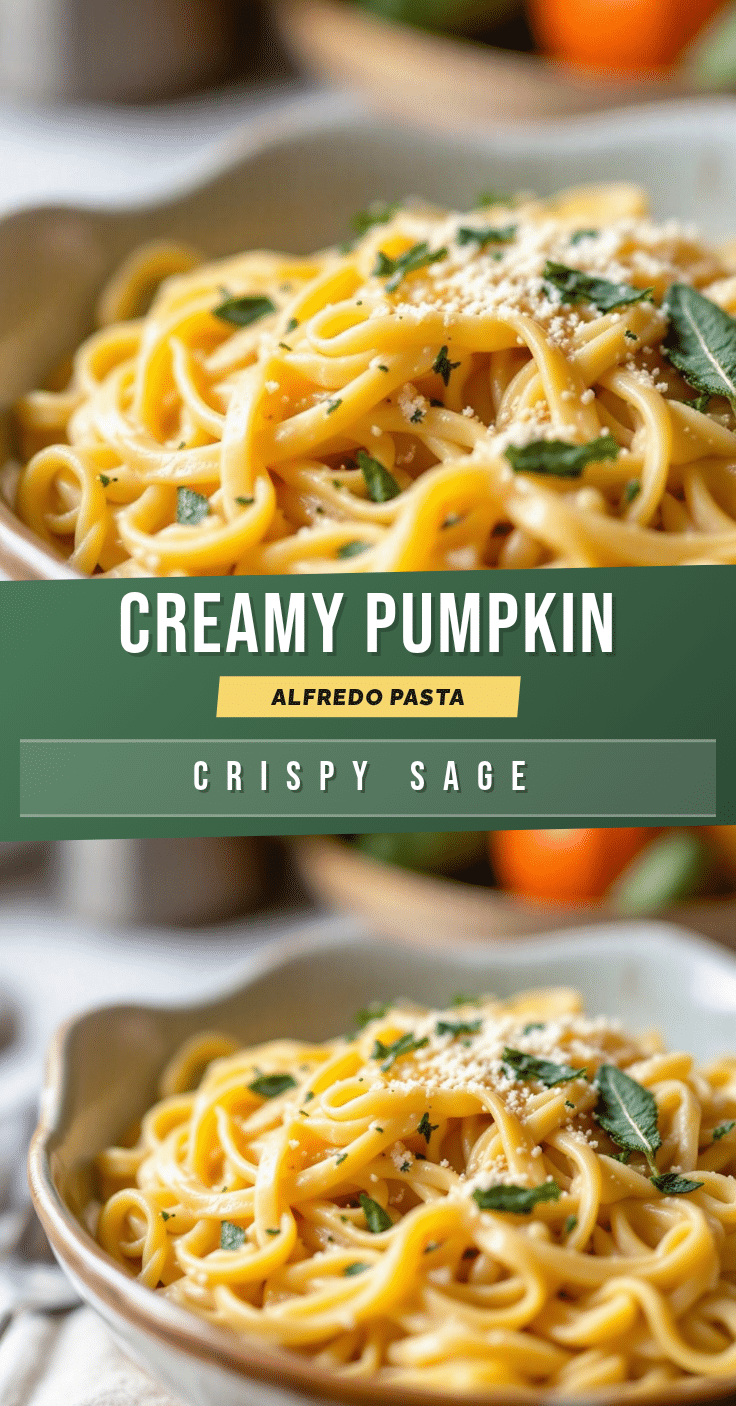
Creamy Pumpkin Alfredo Pasta: Easy 30-Minute Dinner
A rich, velvety pasta dish featuring a silky pumpkin and parmesan alfredo sauce, finished with crispy fried sage leaves for a savory contrast. This comforting meal is ready in under 30 minutes.
- Prep Time: 10 minutes
- Cook Time: 20 minutes
- Total Time: 30 minutes
- Yield: 4 servings 1x
- Category: Main Course
- Cuisine: Italian
Ingredients
- 1 lb fettuccine or pappardelle pasta
- 1 cup 100% pure pumpkin puree
- 1 cup heavy cream
- 4 tbsp unsalted butter
- 15–20 fresh sage leaves
- 3–4 cloves garlic, minced
- 1 cup freshly grated parmesan cheese
- 1 pinch freshly grated nutmeg
- Salt and black pepper to taste
- Reserved pasta water as needed
Instructions
- Bring a large pot of generously salted water to a boil. Cook pasta according to package directions, removing it 1-2 minutes before fully al dente. Reserve about one cup of starchy pasta water before draining.
- While pasta cooks, pat sage leaves dry. Heat a large skillet over medium heat with butter. Once melted and foaming, add sage leaves in a single layer and fry for 30-60 seconds per side until crisp and dark green. Remove sage with a slotted spoon and set aside, leaving the infused butter in the pan.
- Reduce heat to low. Add minced garlic to the sage butter and sauté for 30 seconds until fragrant, being careful not to burn it.
- Pour in heavy cream and pumpkin puree. Whisk gently to combine and bring to a very gentle simmer. Cook for 3-5 minutes, stirring occasionally, until the sauce thickens slightly and coats the back of a spoon.
- Remove the pan from the heat. Stir in the grated parmesan cheese until melted and smooth. If the sauce is too thick, add a splash of reserved pasta water.
- Add the drained pasta directly into the skillet with the sauce. Toss gently to coat every noodle, adding more pasta water if needed for a glossy, clingy texture.
- Taste and season with salt and black pepper as needed. Sprinkle with the crispy sage leaves and serve immediately.
Notes
Ensure sage leaves are completely dry before frying to prevent splattering. Use freshly grated parmesan rather than pre-grated to avoid a grainy sauce. Do not burn the garlic. The sauce will thicken as it cools, so keep it slightly looser in the pan. For dairy-free options, substitute heavy cream with full-fat coconut cream and parmesan with a vegan alternative.
Nutrition
- Serving Size: 1.5 cups
- Calories: 650
- Sugar: 8
- Sodium: 800
- Fat: 35
- Saturated Fat: 20
- Carbohydrates: 65
- Fiber: 4
- Protein: 18
Keywords: pumpkin alfredo, creamy pasta, fall dinner, sage pasta, comfort food, easy weeknight dinner, pumpkin recipe