The phone rang at 4:15 PM. My brother-in-law, fresh off a cross-country flight, was twenty minutes from my front door and “starving for something that tastes like Mom used to make.” I had ground beef thawing in the fridge, a half-empty bottle of ketchup, and exactly zero plans for a dinner that felt like home. My pantry wasn’t impressive—just the usual chaos of half-used bottles and random spices. But that brown sugar sitting next to the coffee maker caught my eye, and something clicked. This was going to be one of those nights where you make do with what you have, and somehow, it turns into the thing you’ll crave for years.
The meatloaf came together in a panic—literally mixing with my hands while the oven preheated and my guest texted updates from the highway. I used onion powder because I didn’t have a fresh onion. I grabbed breadcrumbs from the back of the cabinet, slightly stale but still good. And that glaze? I just mixed ketchup and brown sugar together on a whim, brushed it on top, and prayed. When I pulled the loaf out of the oven forty-five minutes later, the kitchen smelled like Sunday dinners from my childhood—warm, savory, and sweet all at once. My brother-in-law ate two servings and asked for the recipe before he left.
That night taught me something: the best recipes aren’t always the ones you plan. Sometimes they’re the ones you scramble to make work when you have no other choice. This Classic Meatloaf with Brown Sugar Ketchup Glaze has become my go-to for those exact moments—when you need something reliable, comforting, and honestly, a little bit forgiving. It’s the recipe I trust when I don’t have time to overthink things, and it always delivers. Let me show you how to make it.
Why You’ll Love This Recipe
I’ve tested this meatloaf more times than I can count, and every single batch confirmed what I suspected that first panicked evening: this is the one. It’s not fussy, it doesn’t require a trip to three different grocery stores, and it comes out tender and flavorful every time. Here’s why it earns a permanent spot in your dinner rotation.
- Quick & Easy : From start to finish, you’re looking at about an hour total. Active prep time is maybe fifteen minutes—the oven does the rest of the work. Perfect for those weeknights when you walk through the door at 5:30 and need dinner on the table by 6:30.
- Simple Ingredients : Ground beef, ketchup, brown sugar, breadcrumbs, eggs, and a few pantry spices. That’s it. No weird ingredients you’ll use once and forget about for two years.
- Perfect for Family Dinners : This is the kind of meal that brings people to the table. Kids love the sweet glaze, adults appreciate the savory depth, and everyone goes back for seconds.
- Crowd-Pleaser : I’ve served this at potlucks, Sunday suppers, and casual weeknight dinners. It disappears fast every single time. Even picky eaters ask for the recipe.
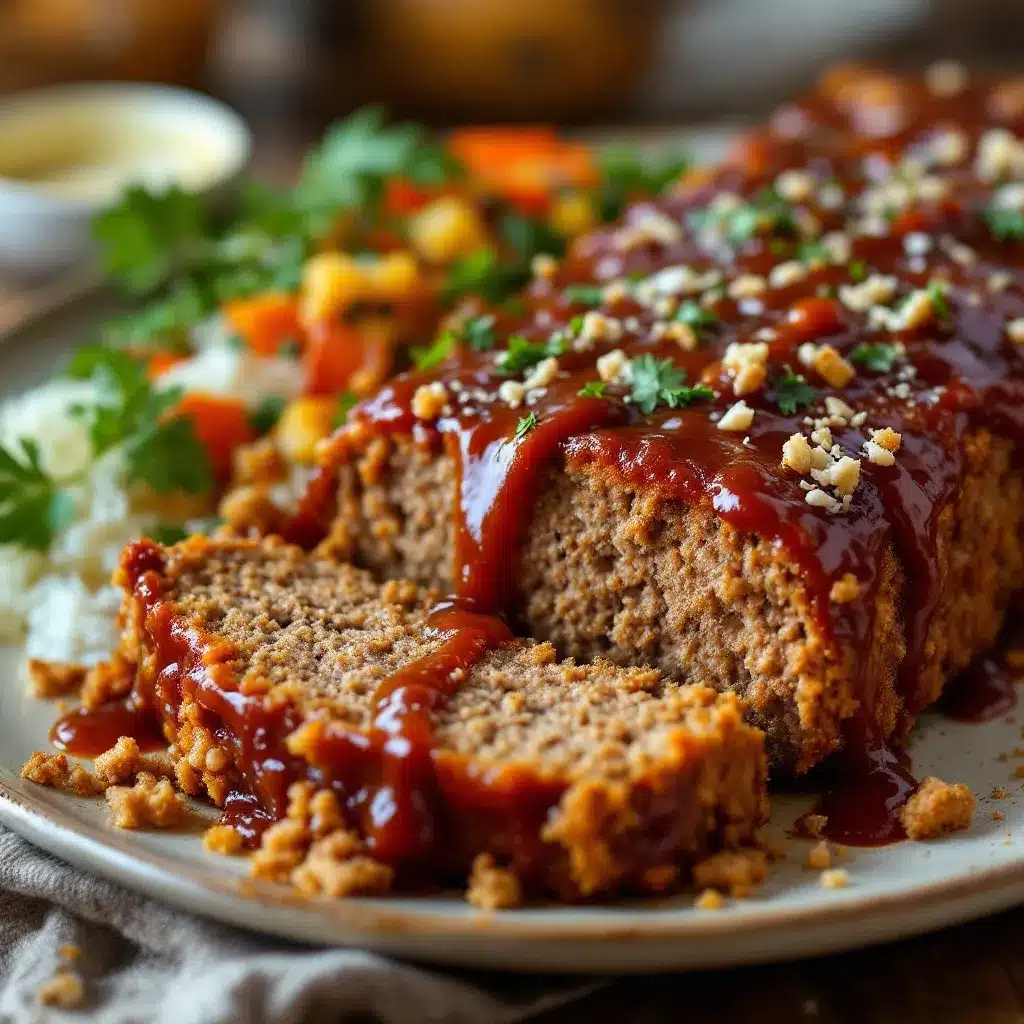
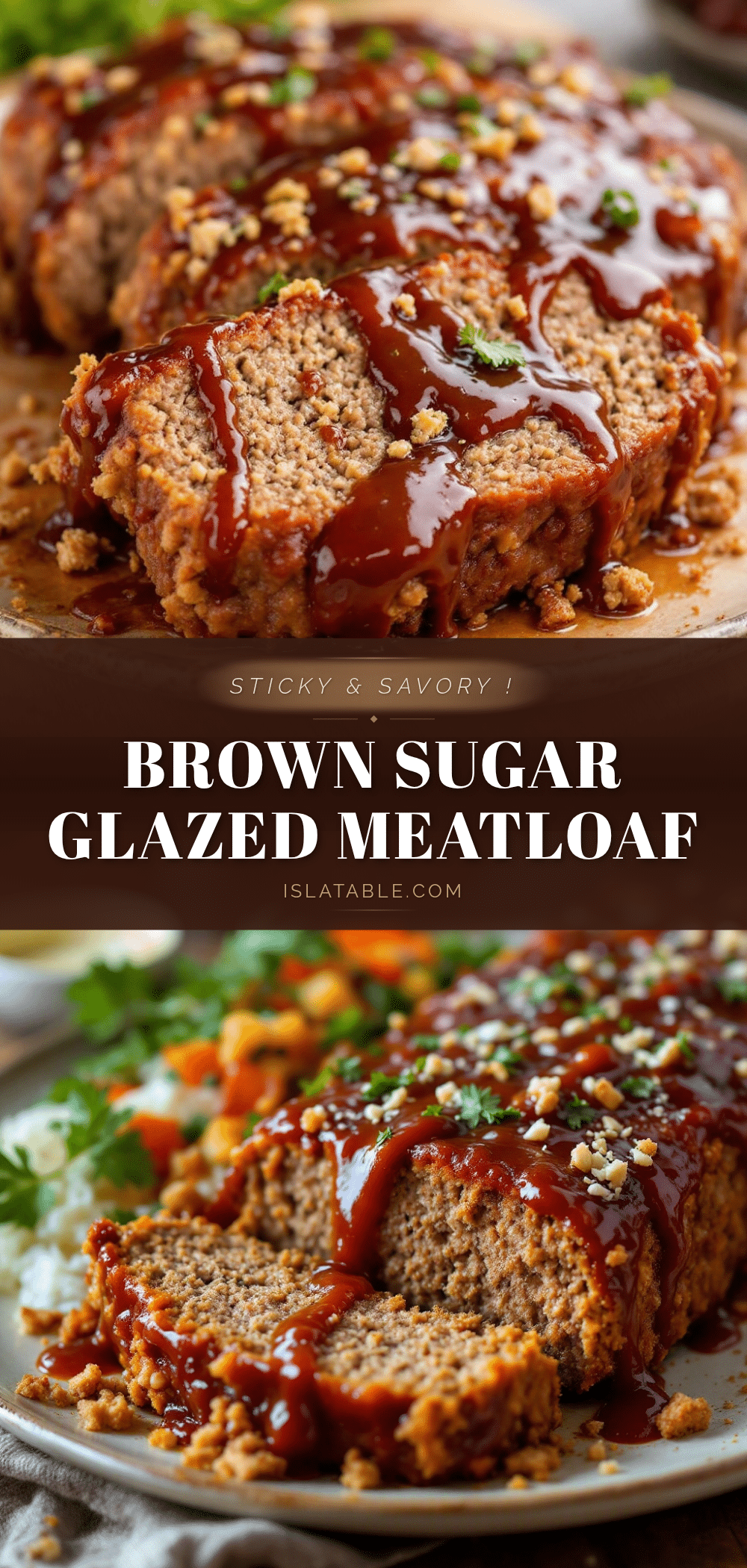
- Unbelievably Delicious : The brown sugar ketchup glaze caramelizes on top during baking, creating this sticky-sweet crust that contrasts perfectly with the juicy, seasoned meat underneath. It’s comfort food at its finest.
What makes this recipe different from all the other meatloaf recipes out there? It’s the balance. The glaze isn’t too sweet, the meat isn’t too dry, and the seasoning doesn’t overpower the beef. It’s the Goldilocks of meatloaf—just right. And honestly, it’s the kind of meal that makes you close your eyes after the first bite. That’s not something I say lightly.
What Ingredients You Will Need
This recipe uses simple, wholesome ingredients that you probably already have in your kitchen. Nothing fancy, nothing complicated—just good, honest food that comes together beautifully.
For the Meatloaf
- Ground beef (2 lbs / 900g) : I recommend 80/20 ground beef for the best balance of flavor and moisture. Leaner blends work too, but the meatloaf won’t be as juicy. If you use ground turkey or chicken, add a tablespoon of olive oil to keep it from drying out.
- Breadcrumbs (1 cup / 120g) : Plain or Italian-style both work great. I prefer plain so I can control the seasoning myself. Panko breadcrumbs give a lighter texture, while traditional breadcrumbs make a denser loaf. Stale breadcrumbs from the back of the cabinet? Totally fine.
- Eggs (2 large) : These act as the binder that holds everything together. Room temperature eggs mix more evenly, but cold eggs work in a pinch.
- Milk (½ cup / 120ml) : Whole milk adds richness, but any milk you have on hand works. The milk soaks into the breadcrumbs and keeps the meatloaf tender. I’ve used oat milk and almond milk before—both work, though the texture is slightly less tender.
- Onion (1 medium, finely diced) : Yellow or white onion both work. If you don’t have fresh onion, use 1 tablespoon of onion powder. I’ve done it both ways, and honestly, the onion powder version is still delicious—just a little less textured.
- Garlic (3 cloves, minced) : Fresh garlic gives the best flavor, but 1 teaspoon of garlic powder works in a pinch. Don’t skip the garlic—it’s what gives the meatloaf that savory depth.
- Worcestershire sauce (2 tablespoons) : This adds umami and complexity. If you don’t have Worcestershire, soy sauce or tamari makes a decent substitute.
- Salt (1 teaspoon) : I use kosher salt. If you’re using table salt, reduce to ¾ teaspoon.
- Black pepper (½ teaspoon) : Freshly ground is best, but pre-ground works fine.
- Dried thyme (1 teaspoon) : This adds an earthy, slightly floral note that pairs beautifully with beef. Dried oregano or Italian seasoning also work.
- Smoked paprika (1 teaspoon) : This is my secret ingredient. It adds a subtle smokiness that makes the meatloaf taste like it spent hours on a grill. Regular paprika works too, but smoked is worth seeking out.
For the Brown Sugar Ketchup Glaze
- Ketchup (½ cup / 120ml) : Use your favorite brand. I prefer Heinz for its balanced sweetness and tanginess.
- Brown sugar (¼ cup / 50g, packed) : Light or dark brown sugar both work. Dark brown sugar gives a deeper, more molasses-like flavor. If you only have white sugar, add a teaspoon of molasses to mimic brown sugar.
- Apple cider vinegar (1 tablespoon) : This cuts through the sweetness and adds a tangy kick. White vinegar or lemon juice work in a pinch.
- Dijon mustard (1 teaspoon) : Adds a subtle heat and creaminess that balances the glaze. Yellow mustard works too, but the flavor is sharper.
Equipment Needed
You don’t need a fancy kitchen to make this meatloaf. Here’s what you’ll need:
- Large mixing bowl : For combining all the meatloaf ingredients. Any large bowl works, but avoid metal bowls if you’re using acidic ingredients like Worcestershire sauce—the acid can react with the metal over time.
- Loaf pan (9×5 inch / 23×13 cm) : A standard loaf pan works perfectly. If you don’t have one, you can shape the meatloaf free-form on a lined baking sheet. I actually prefer the free-form method sometimes because it allows more caramelization on the sides.
- Baking sheet (optional) : If you’re going the free-form route, line a baking sheet with parchment paper or aluminum foil for easy cleanup.
- Small bowl : For mixing the glaze ingredients together.
- Pastry brush or spoon : For spreading the glaze over the meatloaf. A spoon works just fine if you don’t have a brush.
- Meat thermometer : This is crucial for ensuring your meatloaf is cooked through without being overdone. The internal temperature should reach 160°F (71°C). I’ve ruined plenty of meatloaves before I started using one.
- Chef’s knife and cutting board : For dicing the onion and mincing the garlic.
- Measuring cups and spoons : For accurate measurements. Trust me, eyeballing the breadcrumbs and milk ratio can lead to a dry or mushy meatloaf.
If you’re new to cooking, don’t stress about having the perfect equipment. I’ve made this recipe with a cheap loaf pan from the dollar store and a butter knife for spreading the glaze. It still turned out great. The most important tool is that meat thermometer—it’s the difference between a perfectly juicy meatloaf and a dry, crumbly one.
Preparation Method
Let me walk you through this step by step. I’ve made this recipe dozens of times, and these are the exact steps I follow every single time.
- Preheat your oven to 350°F (175°C). Position the rack in the center of the oven. While the oven is heating, line your loaf pan with parchment paper or lightly grease it with cooking spray. If you’re going free-form, line a baking sheet with parchment paper.
- Soak the breadcrumbs in milk. In your large mixing bowl, combine the breadcrumbs and milk. Let them sit for about 5 minutes. This step is crucial—it allows the breadcrumbs to absorb the milk, which keeps your meatloaf tender and moist. Don’t skip this, or you’ll end up with a dry loaf.
- Add the remaining meatloaf ingredients. To the bowl with the soaked breadcrumbs, add the ground beef, eggs, diced onion, minced garlic, Worcestershire sauce, salt, pepper, dried thyme, and smoked paprika. Use your hands to gently mix everything together. Don’t overmix—overworking the meat can make the meatloaf tough. Just mix until everything is evenly distributed. You should still see small pieces of onion and specks of seasoning.
- Shape the meatloaf. Transfer the mixture to your prepared loaf pan and press it gently into an even shape. Don’t pack it down too firmly—you want it to hold together without being dense. If you’re using a baking sheet, shape the mixture into a loaf shape about 8 inches long and 4 inches wide. Leave some space around it for the glaze to caramelize.
- Make the glaze. In a small bowl, whisk together the ketchup, packed brown sugar, apple cider vinegar, and Dijon mustard. Mix until the sugar is mostly dissolved. The glaze should be smooth and slightly thick.
- Apply the first layer of glaze. Spread about half of the glaze evenly over the top and sides of the meatloaf. Reserve the remaining glaze for later. Don’t be shy—coat it well. This first layer will start caramelizing as the meatloaf bakes.
- Bake for 30 minutes. Place the meatloaf in the preheated oven and bake for 30 minutes. At this point, the meatloaf should be starting to brown on top, and the glaze will be bubbling slightly.
- Apply the second layer of glaze. Remove the meatloaf from the oven and spread the remaining glaze over the top. This second layer creates that signature sticky-sweet crust that makes this recipe so special. Return the meatloaf to the oven.
- Continue baking until done. Bake for another 15-25 minutes, depending on your oven and the size of your meatloaf. The total baking time should be 45-55 minutes. The meatloaf is done when the internal temperature reaches 160°F (71°C) at the thickest part. If you don’t have a meat thermometer, you can check by cutting into the center—the juices should run clear, and there should be no pink remaining.
- Let it rest. This is the hardest step—I know you want to eat it right away. But let the meatloaf rest in the pan for 10-15 minutes before slicing. This allows the juices to redistribute throughout the meat, making every slice moist and flavorful. If you cut into it too soon, the juices will run out onto the cutting board, and you’ll end up with dry meatloaf. I learned this the hard way.
- Slice and serve. Use a sharp knife to cut the meatloaf into slices about 1 inch thick. The glaze should be caramelized and sticky on top, and the meat should be tender and juicy inside. Serve immediately with your favorite sides.
Cooking Tips & Techniques
After making this recipe more times than I can count, I’ve picked up a few tricks that make a real difference. Here are my best tips for meatloaf success.
Don’t overmix the meat. This is the number one mistake I see people make. When you overmix ground beef, the proteins tighten up, and you end up with a tough, dense meatloaf. Mix just until everything comes together—you should still see some texture in the meat. Think of it like making meatballs, not like kneading bread dough.
Use a meat thermometer. I cannot stress this enough. Meatloaf is one of those dishes where the difference between perfectly cooked and dry is about 5 degrees. I once served a meatloaf that was 170°F internally, and it was like eating a hockey puck. Invest in a simple instant-read thermometer—they cost about $10 and will save you from serving dry meatloaf ever again.
Let it rest. I know I mentioned this in the method, but it’s worth repeating. The resting period is non-negotiable. When meat cooks, the juices get pushed to the center. Resting allows those juices to redistribute evenly throughout the loaf. Cut into it too soon, and you’ll have a puddle of juice on your cutting board and dry meatloaf on your plate. Trust me on this one.
Line your pan with parchment paper. This makes cleanup so much easier. The glaze can get sticky and caramelized on the pan, and scrubbing it off is a pain. Parchment paper lifts right out, and your pan stays clean. Plus, it makes transferring the meatloaf to a cutting board a breeze.
Toast your breadcrumbs first. If you have an extra 5 minutes, toast the breadcrumbs in a dry skillet over medium heat until they’re golden brown. This adds a nutty flavor to the meatloaf that takes it to another level. It’s a small step that makes a big difference.
Don’t skip the smoked paprika. I know it seems like just another spice, but smoked paprika is what gives this meatloaf its depth. It adds a subtle smokiness that makes the meatloaf taste like it’s been slow-cooked over a fire. If you don’t have it, regular paprika works, but the flavor won’t be quite as complex.
Variations & Adaptations
One of the best things about this recipe is how adaptable it is. Here are some variations I’ve tried and loved.
Turkey Meatloaf : Substitute ground turkey or chicken for the beef. Add 1 tablespoon of olive oil and an extra egg to keep it moist. Turkey meatloaf is leaner and lighter, but it can dry out quickly, so watch that internal temperature carefully. I’ve made this version for friends who don’t eat red meat, and they always ask for seconds.
Gluten-Free Meatloaf : Use gluten-free breadcrumbs or crushed gluten-free crackers instead of regular breadcrumbs. I’ve used almond flour as a binder too—it works, but the texture is a bit denser. If you’re serving someone with celiac disease, make sure your Worcestershire sauce and ketchup are gluten-free (most are, but always check the label).
Cheesy Stuffed Meatloaf : Before shaping the meatloaf, press half the mixture into the pan, add a layer of shredded cheddar or mozzarella cheese, then top with the remaining meat mixture. The cheese melts into the center, creating a gooey, delicious surprise when you slice into it. I tried this for a Super Bowl party, and it was gone in ten minutes.
BBQ Glaze Variation : Swap the ketchup in the glaze for your favorite barbecue sauce. Add an extra tablespoon of brown sugar for sweetness. This gives the meatloaf a smoky, tangy flavor that’s perfect for summer cookouts. If you’re looking for more BBQ inspiration, check out this small batch BBQ pulled pork recipe for another crowd-pleasing option.
Spicy Kick : Add 1-2 tablespoons of sriracha or your favorite hot sauce to the glaze. You can also mix diced jalapeños into the meat mixture for extra heat. I made this version for a friend who loves spicy food, and she said it was the best meatloaf she’d ever had.
Vegetable-Packed Meatloaf : Finely dice bell peppers, carrots, or zucchini and sauté them before adding to the meat mixture. This adds moisture, nutrients, and a subtle sweetness. It’s a great way to sneak extra vegetables into your family’s dinner. I’ve done this with my niece who refuses to eat vegetables, and she ate three slices without complaint.
Serving & Storage Suggestions
This meatloaf is incredibly versatile when it comes to serving. Here’s how I like to enjoy it.
Serving Temperature : Serve meatloaf hot, fresh from the oven. The glaze should be sticky and caramelized on top, and the meat should be tender and juicy. Let it rest for 10-15 minutes before slicing to ensure clean, neat slices. If you’re serving a crowd, keep the sliced meatloaf warm on a platter in a low oven (200°F) until ready to serve.
Complementary Sides : Meatloaf pairs beautifully with mashed potatoes, roasted vegetables, or a simple green salad. I love serving it with creamy keto coleslaw for a crunchy, tangy contrast to the rich meatloaf. For a heartier meal, try it with gluten-free cornbread muffins to soak up any extra glaze or juices. And if you’re looking for a lighter option, a fresh watermelon flag salad adds a refreshing, sweet element to the plate.
Storage : Leftover meatloaf keeps well in the refrigerator for 3-4 days. Store it in an airtight container or wrap it tightly in aluminum foil. The glaze will stay sticky and delicious. You can also slice the meatloaf and store the slices separated by parchment paper for easy grab-and-go lunches.
Freezing : This meatloaf freezes beautifully. Let it cool completely, then wrap it tightly in plastic wrap, followed by a layer of aluminum foil. Freeze for up to 3 months. To thaw, transfer it to the refrigerator overnight. Reheat in a 350°F oven for about 15-20 minutes, or until warmed through. The glaze might lose a bit of its shine, but the flavor will still be fantastic.
Reheating : The best way to reheat meatloaf is in the oven. Place slices on a baking sheet and warm them in a 350°F oven for about 10 minutes. This helps the glaze re-caramelize and keeps the meat moist. Microwaving works in a pinch, but the meat can dry out and the glaze can get rubbery. If you’re in a hurry, microwave on medium power for 1-2 minutes, checking frequently.
Flavor Development : Here’s a little secret—meatloaf actually tastes better the next day. The flavors have time to meld together, and the texture becomes even more tender. I often make this recipe a day ahead of time on purpose. It’s one of those rare dishes that improves with a little patience.
Nutritional Information & Benefits
While this meatloaf is definitely comfort food, it also has some nutritional benefits worth noting.
Estimated Nutritional Values (per serving, based on 8 servings) :
- Calories: 380
- Protein: 28g
- Fat: 22g
- Carbohydrates: 18g
- Fiber: 1g
- Sugar: 12g
- Sodium: 680mg
Health Benefits : Ground beef is an excellent source of high-quality protein, iron, zinc, and B vitamins, particularly B12. Protein is essential for muscle repair and growth, while iron supports healthy blood and energy levels. The onions and garlic in this recipe provide antioxidants and anti-inflammatory compounds that support immune health. And while the glaze does contain sugar, it’s used in moderation—the overall sugar content is reasonable for a comfort food dish.
Dietary Considerations : This recipe is naturally gluten-free if you use gluten-free breadcrumbs (always check labels on Worcestershire sauce and ketchup). It’s also nut-free and soy-free (if you use a soy-free Worcestershire sauce). For a lower-carb option, substitute almond flour for the breadcrumbs and use a sugar-free ketchup. For a dairy-free version, use dairy-free milk and ensure your breadcrumbs are dairy-free.
Allergens : This recipe contains eggs and dairy (milk). If you have allergies, you can substitute flax eggs (1 tablespoon ground flaxseed mixed with 3 tablespoons water per egg) and use dairy-free milk. The texture will be slightly different, but it will still be delicious.
I’m not a nutritionist, but I’ve learned to balance indulgent meals like this with lighter options throughout the week. This meatloaf is a treat—something to enjoy with family and friends without guilt. It’s about nourishing both body and soul.
Conclusion
This Classic Meatloaf with Brown Sugar Ketchup Glaze has become a staple in my kitchen for good reason. It’s reliable, forgiving, and always delivers that warm, comforting feeling that only a home-cooked meal can provide. Whether you’re feeding a crowd on a Sunday afternoon or just need something easy and satisfying on a busy Tuesday night, this recipe has your back.
The beauty of this meatloaf is that it’s a canvas—you can tweak the spices, swap the glaze, or add your favorite mix-ins, and it will still turn out beautifully. I encourage you to make it your own. Try it with the cheesy stuffing variation, or add some heat with sriracha in the glaze. The possibilities are endless, and that’s what makes cooking so much fun.
I’d love to hear how your meatloaf turns out. Did you try a variation? Did your family love it? Drop a comment below and let me know—I read every single one, and your feedback helps me create better recipes for you. And if you loved this recipe, please share it with a friend or save it for later. Happy cooking, friends! You’ve got this.
Frequently Asked Questions
Can I make this meatloaf ahead of time?
Absolutely! You can prepare the meatloaf mixture up to 24 hours in advance and store it covered in the refrigerator. When you’re ready to bake, just shape it, add the glaze, and pop it in the oven. You may need to add 5-10 minutes to the baking time since the meat will be cold from the fridge.
Why is my meatloaf falling apart?
If your meatloaf is crumbly and falling apart, it’s usually because there aren’t enough binders (eggs and breadcrumbs) or the mixture wasn’t mixed thoroughly enough. Make sure you’re using the correct ratio of breadcrumbs and eggs to meat. Also, let the meatloaf rest for 10-15 minutes after baking—this helps it set and hold together better when slicing.
Can I use ground turkey instead of beef?
Yes, you can substitute ground turkey or chicken for the beef. Just keep in mind that poultry is leaner, so you’ll need to add a little extra moisture. I recommend adding 1 tablespoon of olive oil and an extra egg to the mixture. Cook to an internal temperature of 165°F (74°C) instead of 160°F.
How do I prevent my meatloaf from being dry?
The key to a moist meatloaf is not overbaking it. Use a meat thermometer and pull it out of the oven as soon as it reaches 160°F (71°C). Also, don’t overmix the meat, and make sure you’re using enough breadcrumbs and milk. The breadcrumbs absorb the milk and release it during baking, keeping the meatloaf tender and juicy.
Can I freeze leftover meatloaf?
Yes! This meatloaf freezes beautifully. Let it cool completely, then wrap it tightly in plastic wrap followed by aluminum foil. Freeze for up to 3 months. To reheat, thaw in the refrigerator overnight and warm in a 350°F oven for about 15-20 minutes. The glaze might lose a bit of its shine, but the flavor will still be fantastic.
Pin This Recipe!
Classic Meatloaf with Brown Sugar Ketchup Glaze
A tender, juicy meatloaf with a sweet and tangy brown sugar ketchup glaze that caramelizes on top. This easy, reliable recipe uses simple pantry ingredients and is perfect for busy weeknights or family dinners.
- Prep Time: 15 minutes
- Cook Time: 45 minutes
- Total Time: 1 hour
- Yield: 8 servings 1x
- Category: Main Course
- Cuisine: American
Ingredients
- 2 lbs (900g) ground beef (80/20)
- 1 cup (120g) breadcrumbs (plain or Italian-style)
- 2 large eggs
- ½ cup (120ml) milk (whole or any milk)
- 1 medium onion, finely diced
- 3 cloves garlic, minced
- 2 tablespoons Worcestershire sauce
- 1 teaspoon kosher salt
- ½ teaspoon black pepper
- 1 teaspoon dried thyme
- 1 teaspoon smoked paprika
- ½ cup (120ml) ketchup
- ¼ cup (50g) packed brown sugar (light or dark)
- 1 tablespoon apple cider vinegar
- 1 teaspoon Dijon mustard
Instructions
- Preheat oven to 350°F (175°C). Line a 9×5-inch loaf pan with parchment paper or lightly grease it. Alternatively, line a baking sheet with parchment paper for free-form meatloaf.
- In a large mixing bowl, combine breadcrumbs and milk. Let sit for 5 minutes to allow breadcrumbs to absorb the milk.
- Add ground beef, eggs, diced onion, minced garlic, Worcestershire sauce, salt, pepper, dried thyme, and smoked paprika to the bowl. Gently mix with your hands until just combined. Do not overmix.
- Transfer the mixture to the prepared loaf pan and press gently into an even shape. If using a baking sheet, shape into a loaf about 8 inches long and 4 inches wide.
- In a small bowl, whisk together ketchup, packed brown sugar, apple cider vinegar, and Dijon mustard until smooth.
- Spread about half of the glaze evenly over the top and sides of the meatloaf.
- Bake for 30 minutes.
- Remove from oven and spread the remaining glaze over the top.
- Continue baking for another 15-25 minutes, until the internal temperature reaches 160°F (71°C) at the thickest part. Total baking time is 45-55 minutes.
- Let the meatloaf rest in the pan for 10-15 minutes before slicing.
- Slice into 1-inch thick slices and serve.
Notes
For a juicier meatloaf, use 80/20 ground beef. Do not overmix the meat. Let the meatloaf rest for 10-15 minutes before slicing to allow juices to redistribute. For a free-form meatloaf, shape on a lined baking sheet for more caramelization. Leftovers can be stored in the refrigerator for 3-4 days or frozen for up to 3 months.
Nutrition
- Serving Size: 1 slice (1 inch thic
- Calories: 380
- Sugar: 12
- Sodium: 680
- Fat: 22
- Saturated Fat: 8
- Carbohydrates: 18
- Fiber: 1
- Protein: 28
Keywords: meatloaf, classic meatloaf, brown sugar ketchup glaze, easy meatloaf, comfort food, ground beef recipe, family dinner