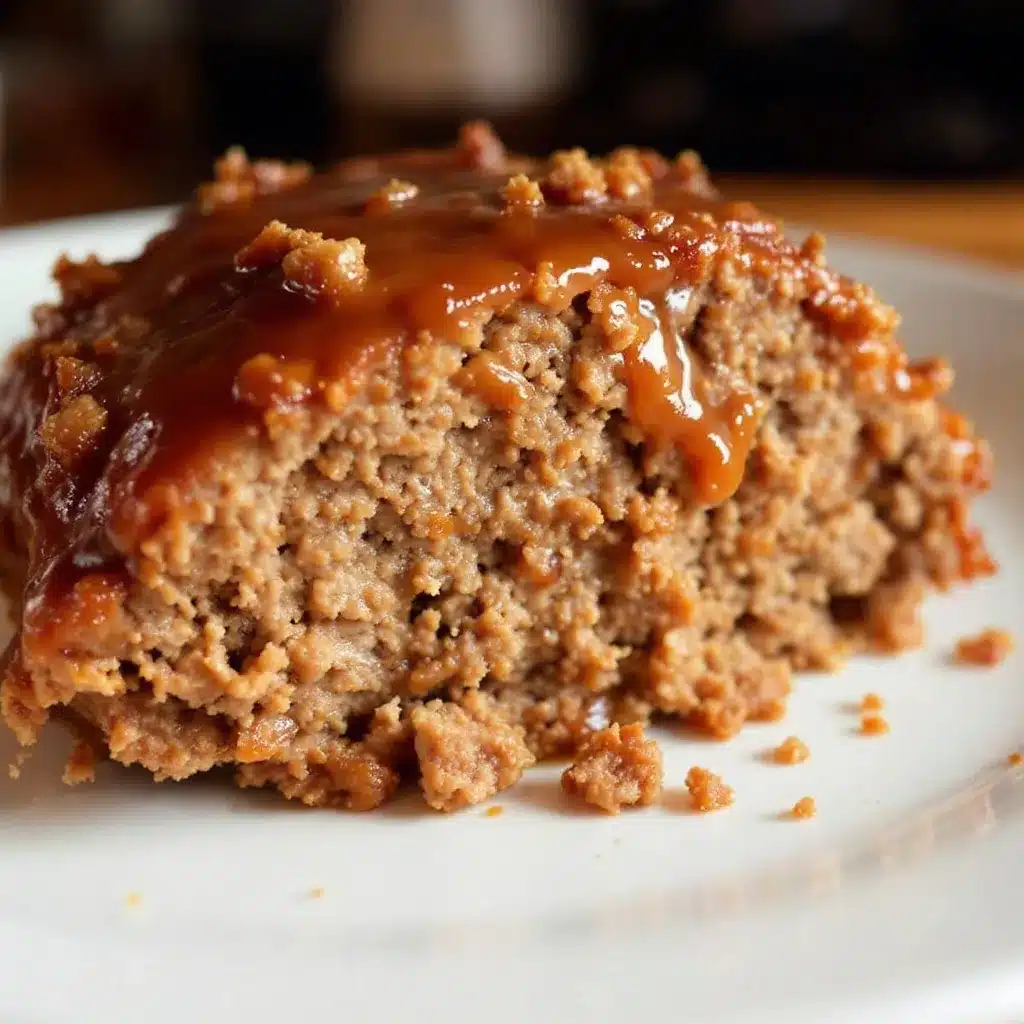
The pan came out of the oven and my husband actually stopped mid-sentence. He just stared at it—this glistening, caramelized loaf of meat sitting there on the counter—and then looked at me like I’d pulled off some kind of kitchen magic trick. I hadn’t, honestly. I’d just finally nailed the best classic meatloaf with brown sugar glaze after years of trying and failing with dry, crumbly versions that tasted more like a mistake than a meal.
That first bite was quiet. We both just chewed and looked at each other. It was tender, juicy, and that sweet-tangy glaze on top had caramelized into something almost candy-like. He asked for the recipe before he finished his plate. That’s never happened before. Not once in twelve years of marriage.
I’d been chasing this for a while. Meatloaf was one of those dishes I wanted to love but kept getting wrong. Too dry. Too dense. Too bland. I tried every trick I read online—soaking breadcrumbs in milk, adding extra eggs, covering it with ketchup. Nothing worked the way I wanted. Then I stopped trying to follow everyone else’s rules and started paying attention to what actually made sense in my own kitchen.
The brown sugar glaze was the turning point. It wasn’t about the sweetness, though that helps. It was about how that sticky layer locked in moisture while creating a crust that shatters slightly when you cut into it. That contrast—tender meat, crackly top—is what makes this recipe different from every other version I’ve tried. It’s the one I keep coming back to, and the one people keep asking me to make again.
Why You’ll Love This Recipe
This isn’t just another meatloaf recipe sitting in your bookmarks. This is the one you’ll actually make on a Tuesday night when you need something reliable. I’ve tested this version more times than I care to count, and every single time it delivers the same result: juicy, flavorful, and completely satisfying.
- Quick & Easy : From prep to table in about an hour, with only 15 minutes of active work. Perfect for busy weeknights when you still want something that feels like a real dinner.
- Simple Ingredients : You probably have most of these in your kitchen right now. No specialty stores, no obscure spices, no hunting down unusual cuts of meat.
- Perfect for Family Dinners : Kids love it. Adults love it. Even picky eaters tend to go back for seconds. It’s one of those rare dishes that pleases everyone at the table.
- Crowd-Pleaser : I’ve brought this to potlucks and family gatherings, and the pan always comes back empty. People actually ask for the recipe afterward.
- Unbelievably Delicious : The combination of savory meat with that sweet, tangy brown sugar glaze creates something truly special. It’s comfort food at its finest.
What sets this best classic meatloaf with brown sugar glaze apart is the technique. Instead of just mixing everything together and hoping for the best, I use a few specific methods that guarantee a tender, moist result every time. The panade (that’s the milk-and-breadcrumb mixture) keeps the meat from drying out. The gentle mixing prevents toughness. And that glaze? It’s not just for looks—it creates a barrier that locks in moisture while adding incredible flavor.
This recipe feels like a hug on a plate. It’s the kind of meal that makes you slow down and actually enjoy dinner. No stress, no fuss, just really good food that makes everyone happy.
What Ingredients You Will Need
This recipe uses simple, honest ingredients that work together to create something greater than the sum of their parts. Most of these are pantry staples, which makes this dish perfect for those nights when you need dinner to just work.
For the Meatloaf
- Ground beef (80/20 blend) : 2 pounds. The fat content here matters—leaner blends will result in a drier meatloaf. I prefer 80/20 for the best balance of flavor and moisture. If you can only find leaner beef, consider adding a tablespoon of olive oil to compensate.
- Breadcrumbs : 1 cup, plain or Italian-style. I use plain panko breadcrumbs for a lighter texture. If you’re gluten-free, use gluten-free breadcrumbs or crushed pork rinds for a keto-friendly option.
- Milk : ½ cup, whole milk preferred. This soaks into the breadcrumbs to create a panade, which keeps the meatloaf tender. Any milk works, but whole milk gives the best results.
- Eggs : 2 large, lightly beaten. They bind everything together without making the texture rubbery.
- Yellow onion : 1 medium, finely diced. Sauté it first if you want a milder flavor, or add it raw for more texture. I usually sauté mine in a little butter until translucent—it adds sweetness and depth.
- Garlic : 3 cloves, minced. Fresh garlic is non-negotiable here. The jarred stuff just doesn’t deliver the same punch.
- Worcestershire sauce : 2 tablespoons. This adds that savory, umami depth that makes meatloaf taste like more than just seasoned ground beef.
- Ketchup : ¼ cup. I use this in the meat mixture itself, not just on top. It adds moisture and a subtle sweetness that balances the savory flavors.
- Dried thyme : 1 teaspoon. Earthy and slightly floral, thyme pairs beautifully with beef.
- Dried parsley : 1 tablespoon. For color and a fresh note.
- Salt : 1 teaspoon. I use kosher salt for better control.
- Black pepper : ½ teaspoon, freshly ground.
For the Brown Sugar Glaze
- Brown sugar : ½ cup, packed. Light or dark both work. Dark brown sugar will give a deeper, more molasses-like flavor.
- Ketchup : ½ cup. This forms the base of the glaze and provides the tangy counterpoint to the sweetness.
- Apple cider vinegar : 1 tablespoon. Just enough acidity to cut through the richness and keep the glaze from being cloying.
- Worcestershire sauce : 1 teaspoon. A little extra umami never hurts.
- Garlic powder : ½ teaspoon. Not the same as fresh garlic, but it blends seamlessly into the glaze.
Equipment Needed
You don’t need a fancy kitchen to make this recipe. Here’s what you’ll need:
- Large mixing bowl : For combining all the meatloaf ingredients. A glass or stainless steel bowl works best.
- Loaf pan : A standard 9×5-inch loaf pan is ideal. If you don’t have one, you can shape the meatloaf free-form on a lined baking sheet—it’ll cook a bit faster that way.
- Parchment paper : Lining the pan makes cleanup so much easier and prevents sticking. Trust me on this one.
- Small saucepan : For making the glaze. A 1-quart saucepan is perfect.
- Whisk : To combine the glaze ingredients smoothly.
- Measuring cups and spoons : For accuracy. I’ve learned the hard way that eyeballing ingredients in meatloaf doesn’t end well.
- Chef’s knife and cutting board : For dicing the onion and mincing the garlic.
- Instant-read thermometer : Optional but highly recommended. It takes the guesswork out of knowing when the meatloaf is done.
Preparation Method
Let’s walk through this step by step. I’ve included timing estimates and sensory cues so you know exactly what to look for at each stage.
- Preheat your oven to 350°F (175°C). Position the rack in the center of the oven. Line your loaf pan with parchment paper, leaving some overhang on the sides—this makes lifting the finished meatloaf out much easier.
- Make the panade. In your large mixing bowl, combine the breadcrumbs and milk. Stir them together and let them sit for 5 minutes. The breadcrumbs will absorb the milk and turn into a thick, pasty mixture. This is your panade, and it’s the secret to a tender meatloaf. It should look like wet oatmeal when it’s ready.
- Sauté the onion (optional but recommended). Heat a small skillet over medium heat with a teaspoon of butter or oil. Add the diced onion and cook for 3-4 minutes until translucent and fragrant. Add the minced garlic and cook for another 30 seconds. Let this cool slightly before adding it to the meat mixture. Raw onion works too, but sautéing it first mellows the flavor and adds sweetness.
- Combine the meatloaf ingredients. To the bowl with the panade, add the beaten eggs, sautéed onion and garlic, Worcestershire sauce, ketchup, thyme, parsley, salt, and pepper. Mix these together with a fork until combined. Then add the ground beef. Here’s the important part: use your hands to gently mix everything together. Don’t squeeze or overwork the meat. Just fold it until the ingredients are evenly distributed. Overmixing will make your meatloaf tough. You should see small flecks of herbs and onion throughout the meat, but no large streaks of unincorporated ingredients.
- Shape the meatloaf. Transfer the mixture to your parchment-lined loaf pan. Gently press it into an even shape, making sure there are no air pockets. Don’t pack it down too firmly—you want it to hold together without being dense. The top should be slightly rounded.
- Make the glaze. In a small saucepan, combine the brown sugar, ketchup, apple cider vinegar, Worcestershire sauce, and garlic powder. Whisk everything together over medium heat. Bring it to a gentle simmer—you’ll see small bubbles forming around the edges—then reduce the heat to low and let it cook for 3-4 minutes, stirring occasionally. The glaze should thicken slightly and become glossy. Remove it from the heat.
- Apply the glaze. Pour about half of the glaze over the raw meatloaf, spreading it evenly with the back of a spoon. Reserve the remaining glaze for later. The glaze should cover the top completely, with some dripping down the sides.
- Bake the meatloaf. Place the loaf pan in the preheated oven and bake for 50-60 minutes. After 30 minutes, check the meatloaf—if the top is browning too quickly, tent it loosely with aluminum foil. About 10 minutes before the meatloaf is done, brush on the remaining glaze. This gives it time to caramelize without burning.
- Check for doneness. The meatloaf is done when an instant-read thermometer inserted into the center reads 160°F (71°C). If you don’t have a thermometer, cut into the center slightly—the juices should run clear, and there should be no pinkness. The internal temperature is the most reliable indicator.
- Rest and serve. Let the meatloaf rest in the pan for 10-15 minutes before slicing. This is crucial—it allows the juices to redistribute throughout the meat, so your slices stay moist instead of falling apart. Use the parchment paper overhang to lift the meatloaf out of the pan, transfer it to a cutting board, and slice it into 1-inch thick pieces.
Cooking Tips & Techniques
I’ve made enough mistakes with meatloaf to fill a small cookbook. Here’s what I’ve learned the hard way so you don’t have to.
Don’t skip the panade. I used to think breadcrumbs alone would do the job. They won’t. Soaking them in milk creates a gel-like mixture that coats the meat proteins and prevents them from tightening up too much during cooking. This is the single most important step for a tender meatloaf. I once forgot the milk and ended up with something that could have been used as a doorstop.
Use your hands to mix. A spoon or spatula won’t give you the same control. You need to feel when the ingredients are just combined. The moment you see no more dry spots, stop mixing. Overworking the meat is the fastest way to a dense, tough meatloaf. Think gentle folding, not aggressive kneading.
Let it rest. I know it’s tempting to cut into that beautiful loaf right away, but patience pays off here. Resting allows the meat fibers to relax and reabsorb their juices. If you slice too soon, all that moisture ends up on the cutting board instead of in your mouth. I learned this the hard way when my first few attempts produced dry slices despite a perfectly cooked interior.
Watch the glaze. Brown sugar burns quickly. If you notice the top of your meatloaf getting too dark before the center is cooked, tent it with foil. You can also reduce the oven temperature to 325°F halfway through if your oven runs hot. Every oven is different, so keep an eye on it.
Use an instant-read thermometer. This is the only way to guarantee perfectly cooked meatloaf every time. I’ve had loaves that looked done on the outside but were still undercooked in the center. The thermometer takes all the guesswork out of the process.
Variations & Adaptations
One of the best things about this best classic meatloaf with brown sugar glaze is how adaptable it is. Here are some variations I’ve tried and loved:
- Turkey meatloaf : Substitute ground turkey or chicken for the beef. Since poultry is leaner, add an extra tablespoon of olive oil and consider using dark meat turkey for more moisture. The cooking time may be slightly shorter, so start checking for doneness around 45 minutes.
- Gluten-free version : Use gluten-free breadcrumbs or crushed gluten-free crackers. I’ve had great results with crushed pork rinds too—they add a subtle savory note and keep the texture light.
- Cheese-stuffed meatloaf : Make a well in the center of the meat mixture before baking and fill it with shredded cheddar or mozzarella. Close the meat over the cheese and bake as directed. The melted cheese center is a wonderful surprise when you slice into it.
- BBQ twist : Replace the ketchup in the meat mixture with barbecue sauce, and use a smoky BBQ sauce mixed with brown sugar for the glaze. This version pairs beautifully with tender small batch BBQ pulled pork if you’re feeding a crowd.
- Vegetable-loaded : Finely grate a carrot and a zucchini into the meat mixture. Squeeze out any excess moisture from the zucchini first. This adds moisture and nutrients without altering the flavor much. My kids never notice the hidden veggies.
Serving & Storage Suggestions
This meatloaf is wonderful served hot, right out of the oven, with the glaze still sticky and caramelized. Slice it into thick pieces and serve alongside mashed potatoes, roasted vegetables, or a simple green salad. The savory-sweet combination pairs especially well with something tangy, like a creamy sugar-free coleslaw that cuts through the richness.
Leftover meatloaf makes incredible sandwiches the next day. Slice it cold, toast some bread, and layer it with a little extra ketchup or mustard. I’ve also crumbled leftover meatloaf into pasta sauce or chili for an extra boost of flavor.
Storage : Store leftover meatloaf in an airtight container in the refrigerator for up to 4 days. Wrap it tightly in plastic wrap or foil to prevent it from drying out. The glaze will soften slightly, but the flavor remains fantastic.
Freezing : This meatloaf freezes beautifully. Let it cool completely, then wrap it tightly in plastic wrap followed by a layer of aluminum foil. Freeze for up to 3 months. To thaw, transfer it to the refrigerator overnight. Reheat slices in a 350°F oven for about 10 minutes, or microwave individual portions for 1-2 minutes.
Reheating : For best results, reheat slices in a skillet over medium heat with a splash of water or broth. Cover the pan to trap steam, which helps keep the meatloaf moist. You can also reheat it in the oven at 325°F for about 15 minutes, covered with foil.
Nutritional Information & Benefits
This recipe makes about 8 servings. Here are the approximate nutritional values per serving:
| Nutrient | Amount per Serving |
|---|---|
| Calories | 420 |
| Protein | 28g |
| Fat | 22g |
| Carbohydrates | 28g |
| Fiber | 1g |
| Sugar | 18g |
| Sodium | 680mg |
Ground beef is an excellent source of protein, iron, and B vitamins, particularly B12. The onions and garlic provide antioxidants and anti-inflammatory compounds. While this isn’t a low-calorie dish, it’s a satisfying, nutrient-dense meal that fits well into a balanced diet. For a lighter option, pair it with roasted vegetables or a side salad instead of mashed potatoes.
This recipe contains gluten (from breadcrumbs) and dairy (from milk). For a dairy-free version, use unsweetened almond milk or oat milk in the panade. For a gluten-free version, use gluten-free breadcrumbs as mentioned in the variations section.
Conclusion
This best classic meatloaf with brown sugar glaze has become a staple in my kitchen for good reason. It’s reliable, forgiving, and always delivers exactly what you want—a tender, flavorful meatloaf with that irresistible sweet-tangy top that makes every bite worth remembering.
What I love most about this recipe is that it doesn’t pretend to be something it’s not. It’s honest food. The kind you make on a Wednesday when you need dinner to just work. The kind that makes everyone at the table go quiet for a minute because they’re too busy enjoying it to talk.
I’d love to hear how yours turns out. Leave a comment below and let me know if you tried any variations or if this became a favorite in your house too. And if you’re looking for more comforting dinner ideas, you might enjoy this small batch BBQ pulled pork or a side of creamy sugar-free coleslaw to round out the meal. Happy cooking!
Frequently Asked Questions
Can I make this meatloaf ahead of time?
Absolutely. You can assemble the meatloaf up to 24 hours in advance and keep it covered in the refrigerator. Just add the glaze right before baking. You may need to add 5-10 minutes to the cooking time since you’re starting from cold.
Why is my meatloaf falling apart?
This usually happens when there aren’t enough binders (eggs and breadcrumbs) or when the meatloaf isn’t rested long enough before slicing. Make sure you’re using the full amount of breadcrumbs and eggs, and let the meatloaf rest for at least 10 minutes after baking.
Can I use a different type of ground meat?
Yes, ground turkey, chicken, pork, or a mixture all work well. Just keep in mind that leaner meats will produce a drier meatloaf, so you may want to add a tablespoon of olive oil or use dark meat poultry for better moisture.
How do I know when the meatloaf is done without a thermometer?
If you don’t have an instant-read thermometer, cut into the center of the meatloaf with a knife. The juices should run clear, and there should be no pinkness in the meat. The internal temperature should reach 160°F for beef. When in doubt, it’s better to slightly overcook than undercook for food safety reasons.
Can I double this recipe?
Yes, this recipe doubles easily. Use a larger baking dish or two loaf pans. The cooking time may increase slightly, so start checking for doneness around 60 minutes. Make sure the internal temperature reaches 160°F before removing it from the oven.
Pin This Recipe!
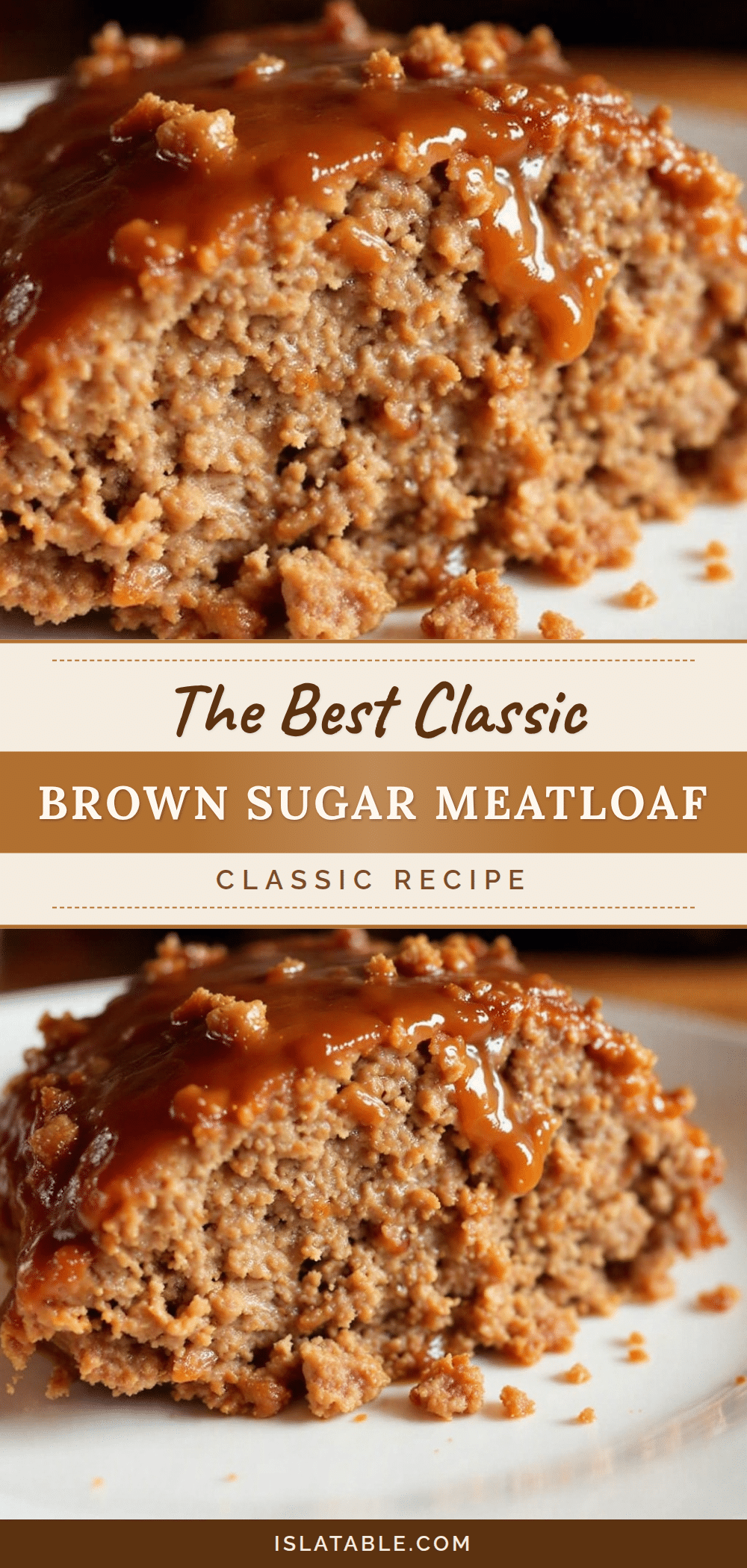
Best Classic Meatloaf with Brown Sugar Glaze (Easy Recipe)
This classic meatloaf is tender, juicy, and topped with a sweet-tangy brown sugar glaze that caramelizes into a crackly crust. It’s a reliable, crowd-pleasing dinner that comes together in about an hour with simple ingredients.
- Prep Time: 15 minutes
- Cook Time: 50-60 minutes
- Total Time: 1 hour 15 minutes
- Yield: 8 servings 1x
- Category: Main Course
- Cuisine: American
Ingredients
- 2 pounds ground beef (80/20 blend)
- 1 cup plain panko breadcrumbs
- ½ cup whole milk
- 2 large eggs, lightly beaten
- 1 medium yellow onion, finely diced
- 3 cloves garlic, minced
- 2 tablespoons Worcestershire sauce
- ¼ cup ketchup
- 1 teaspoon dried thyme
- 1 tablespoon dried parsley
- 1 teaspoon kosher salt
- ½ teaspoon freshly ground black pepper
- ½ cup packed brown sugar (light or dark)
- ½ cup ketchup
- 1 tablespoon apple cider vinegar
- 1 teaspoon Worcestershire sauce
- ½ teaspoon garlic powder
Instructions
- Preheat oven to 350°F (175°C). Line a 9×5-inch loaf pan with parchment paper, leaving overhang on the sides.
- Make the panade: In a large mixing bowl, combine breadcrumbs and milk. Stir and let sit for 5 minutes until thick and pasty like wet oatmeal.
- Sauté onion (optional but recommended): Heat a small skillet over medium heat with a teaspoon of butter or oil. Cook diced onion for 3-4 minutes until translucent. Add minced garlic and cook 30 seconds. Let cool slightly.
- Combine meatloaf ingredients: To the panade, add beaten eggs, sautéed onion and garlic, 2 tablespoons Worcestershire sauce, ¼ cup ketchup, thyme, parsley, salt, and pepper. Mix with a fork until combined. Add ground beef and gently mix with your hands until just combined—do not overwork.
- Shape the meatloaf: Transfer mixture to the prepared loaf pan. Gently press into an even shape, avoiding air pockets. Do not pack too firmly.
- Make the glaze: In a small saucepan, combine brown sugar, ½ cup ketchup, apple cider vinegar, 1 teaspoon Worcestershire sauce, and garlic powder. Whisk over medium heat until simmering. Reduce heat to low and cook 3-4 minutes, stirring occasionally, until thickened and glossy. Remove from heat.
- Apply the glaze: Pour about half the glaze over the raw meatloaf, spreading evenly. Reserve remaining glaze.
- Bake: Place loaf pan in oven and bake for 50-60 minutes. After 30 minutes, tent with foil if top is browning too quickly. About 10 minutes before done, brush on remaining glaze.
- Check doneness: Meatloaf is done when an instant-read thermometer inserted into the center reads 160°F (71°C). Juices should run clear with no pinkness.
- Rest and serve: Let meatloaf rest in pan for 10-15 minutes. Use parchment overhang to lift out, transfer to cutting board, and slice into 1-inch thick pieces.
Notes
Don’t skip the panade—soaking breadcrumbs in milk is key for tenderness. Use your hands to mix gently to avoid toughness. Let the meatloaf rest before slicing to keep it moist. Watch the glaze to prevent burning; tent with foil if needed. An instant-read thermometer ensures perfect doneness.
Nutrition
- Serving Size: 1 slice (1/8 of reci
- Calories: 420
- Sugar: 18
- Sodium: 680
- Fat: 22
- Carbohydrates: 28
- Fiber: 1
- Protein: 28
Keywords: classic meatloaf, brown sugar glaze, easy meatloaf recipe, comfort food, family dinner, ground beef recipe