It is 6:15 AM on a Tuesday in late October, and the only thing I want is a wholesome fall harvest grain bowl with tahini.
The house is still holding its breath from the night before. The windows are fogged up with condensation, blurring the gray light that filters through the bare branches of the oak tree outside. There is a specific kind of silence in the kitchen at this hour. It is heavy and sweet, smelling faintly of yesterday’s roasted squash and the damp earth outside. I don’t make this bowl for a photo shoot. I don’t make it because it is trending on social media or because it fits neatly into a meal-prep container for a busy week ahead. I make it because my hands are cold, and my soul feels a bit thin, stretched tight by the shortening days.
I keep the lights off. I just need the small glow of the stove hood. This ritual is quiet. It is not about performance. It is about grounding myself before the world starts shouting again. The grain bowl is my anchor. It is warm, substantial, and deeply comforting. It tastes like the season itself—earthy, nutty, and slightly sweet. When I sit at the counter, spoon in hand, watching the steam rise in lazy curls, I feel the tension in my shoulders begin to dissolve. This recipe belongs to this time of year. It belongs to these quiet mornings when the world is still asleep.
There is a moment when I drizzle the tahini sauce over the warm grains. The dark gold liquid pools in the crevices of the roasted vegetables. The scent of toasted sesame seeds mixes with the cinnamon on the squash. It is a simple act, but it feels sacred. I take the first bite. It is hot, creamy, and satisfying. In that quiet morning stillness, I realize that this bowl is more than food. It is a pause button. It is a way to honor the slow, deliberate pace of autumn. And honestly, it is the best way to start the day, even if no one else is watching.
Why You’ll Love This Recipe
I have spent years testing this grain bowl. I have tried a dozen different grains, five kinds of squash, and enough tahini to fill a small bathtub. This version is the result of countless mornings like the one I described. It is not just another salad dressed up as a main course. It is a carefully balanced composition of textures and flavors that work together to create something truly special. You know how some recipes feel like they are missing a piece? This one doesn’t. Every component has a purpose.
- Quick & Easy: While the grains cook and the vegetables roast, you are free to do other things. The active time is minimal, making it perfect for busy weeknights or lazy weekend mornings. It comes together in under 45 minutes, which is a miracle when you consider how good it tastes.
- Simple Ingredients: You likely already have most of these items in your pantry and fridge. You don’t need to make a special trip to a specialty store. Just good grains, seasonal produce, and a jar of tahini. No fancy grocery trips needed.
- Perfect for Meal Prep: This bowl stores beautifully. In fact, I find it tastes even better the next day as the flavors meld together. It is ideal for packing in a container for lunch or enjoying as a comforting dinner after a long day.
- Crowd-Pleaser: It is vegetarian and easily adaptable, so it works for everyone at the table. Kids who usually turn their noses up at vegetables often devour this because the tahini dressing is so creamy and delicious.
- Unbelievably Delicious: The combination of chewy grains, caramelized veggies, and nutty sauce is next-level comfort food. It is hearty enough to keep you full for hours, without leaving you feeling sluggish.
What makes this recipe different from the rest is the balance. Many grain bowls are just a pile of raw veggies on top of cold rice. This one is warm, roasted, and dressed in a sauce that ties everything together. The tahini adds a richness that feels indulgent, even though it is wholesome. It is the kind of meal that makes you close your eyes after the first bite. It is comfort food reimagined—healthier, faster, but with the same soul-soothing satisfaction. Whether you are looking for a healthy lunch option or a cozy dinner, this bowl delivers.
What Ingredients You Will Need
This recipe uses simple, wholesome ingredients to deliver bold flavor and satisfying texture without the fuss. The beauty of a fall harvest bowl is that it relies on the natural sweetness of seasonal produce and the nutty depth of whole grains. You can swap ingredients based on what is fresh at your local market, but the core components remain the same. Here is what you need to get started.
For the Grain Base
- Farro or Quinoa: 1 cup dry. Farro adds a wonderful chewy texture that holds up well to warm dressings. Quinoa is a great gluten-free alternative. I prefer farro for its nutty flavor, but both work beautifully.
- Water or Vegetable Broth: 2 to 2.5 cups. Using broth instead of water adds an extra layer of savory depth to the grains. It is a small change that makes a big difference.
- Pinch of Salt: To season the cooking liquid. Never skip this step.
For the Roasted Vegetables
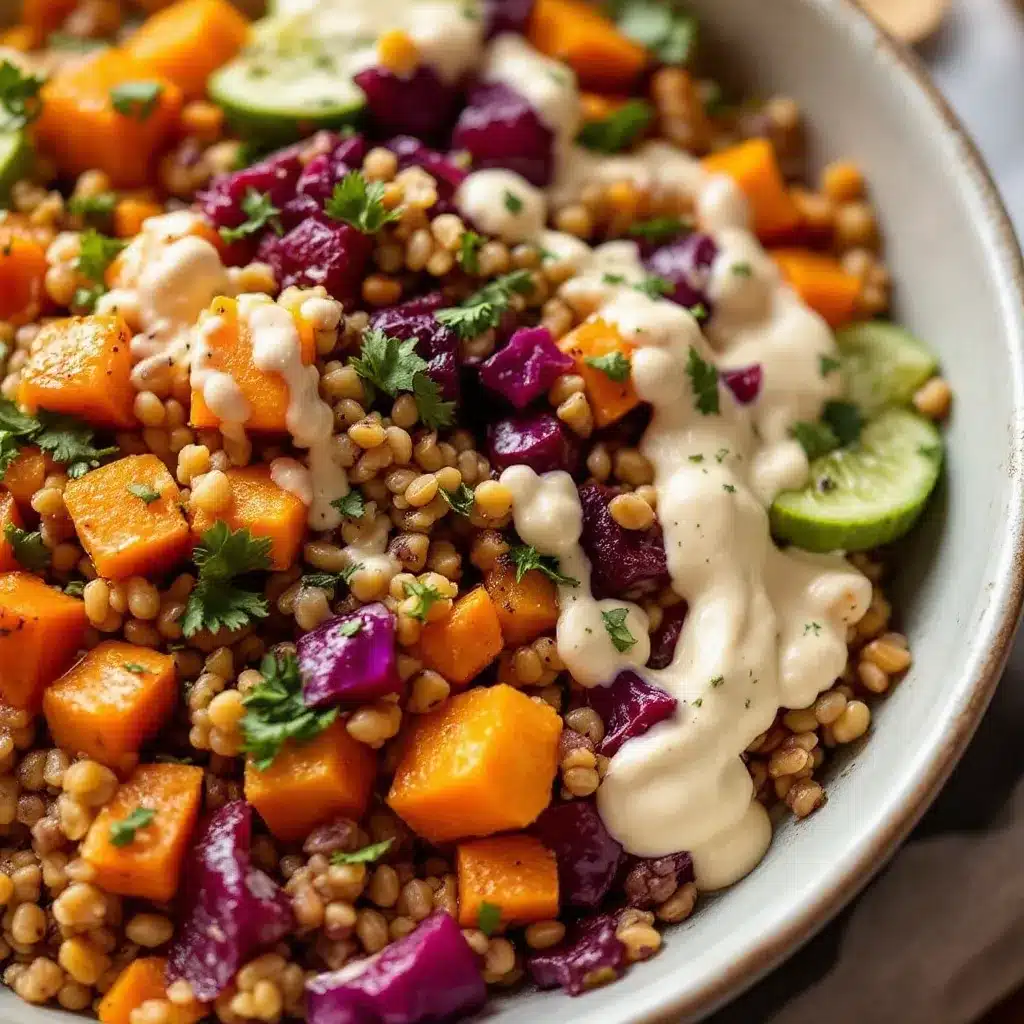
- Butternut Squash: 1 medium, peeled and cubed. Look for squash that feels heavy for its size. This ensures it is sweet and tender.
- Brussels Sprouts: 1 pound, trimmed and halved. Roasting them brings out their natural sweetness and reduces any bitterness.
- Red Onion: 1 medium, sliced into half-moons. Adds a sharp bite that mellows out during roasting.
- Extra Virgin Olive Oil: 3 tablespoons. Use a good quality oil here, as it will be a primary flavor source.
- Dried Thyme: 1 teaspoon. Earthy and aromatic, it pairs perfectly with fall vegetables.
- Garlic Powder: 1 teaspoon. For a consistent savory note without burning fresh garlic.
For the Tahini Dressing
- Tahini Paste: 1/3 cup. I recommend buying a brand that has been well-stirred or buying the oil on top and mixing it in yourself. Soom or Al-Safa are reliable choices.
- Fresh Lemon Juice: 3 tablespoons. Use freshly squeezed juice. Bottled lemon juice lacks the bright acidity needed to cut through the richness of the tahini.
- Maple Syrup: 1 tablespoon. Adds a touch of sweetness to balance the tartness of the lemon.
- Garlic: 1 clove, minced finely. Fresh garlic is essential here.
- Warm Water: 2 to 4 tablespoons. Needed to thin the dressing to a pourable consistency.
- Salt and Pepper: To taste. Adjust based on your preference.
Substitution Note: If you do not have tahini, you can use almond butter or sunflower seed butter, though the flavor will be different. For a dairy-free option, this recipe is naturally free of dairy products. If you need a gluten-free meal, simply swap the farro for quinoa or rice.
Equipment Needed
You do not need a fancy kitchen to make this bowl. Standard equipment will do just fine. The most important tool is a large rimmed baking sheet. I use a heavy-gauge aluminum sheet because it distributes heat evenly. If your baking sheet is thin or warped, you might get uneven roasting, so check yours before you start. A second baking sheet or a large roasting pan is helpful if you need to roast the Brussels sprouts and squash separately, as they have different cooking times.
A medium saucepan with a tight-fitting lid is necessary for cooking the grains. If you are using farro, a pot with a steam vent is nice, but not required. A wooden spoon or spatula for stirring the grains is sufficient. For the dressing, a small bowl and a whisk are all you need. A whisk helps emulsify the tahini and lemon juice smoothly, preventing the dressing from becoming grainy. If you do not have a whisk, a fork works, but you will need to work a bit harder to get it smooth.
A sharp chef’s knife and a cutting board are essential for prepping the vegetables. I prefer a rocking motion when chopping the squash, as it is firm and requires some force. Be careful with your fingers. Also, a measuring cup set and a liquid measuring cup for the broth and lemon juice will help ensure accuracy. While not strictly necessary, a food processor can make mincing the garlic and blending the dressing very quick, but it is not required for this recipe.
Preparation Method
Preparing this wholesome fall harvest grain bowl with tahini is straightforward, but attention to detail ensures the best results. Follow these steps carefully.
- Preheat the Oven: Set your oven to 400°F (200°C). Allow it to fully preheat while you prep the vegetables. This ensures the oven is hot enough when the veggies go in.
- Prep the Vegetables: Peel the butternut squash and cut it into 1-inch cubes. Trim the ends off the Brussels sprouts and halve them. Slice the red onion into half-moons. Place all the vegetables on the baking sheet. Drizzle with olive oil, and sprinkle with dried thyme, garlic powder, salt, and pepper. Toss everything with your hands or a spatula until evenly coated. Spread them out in a single layer. Do not overcrowd the pan, or the vegetables will steam instead of roast. This step takes about 10 minutes.
- Roast the Vegetables: Place the baking sheet in the oven. Roast for 20 minutes. Then, remove the pan and give the vegetables a stir. This ensures even browning. Return to the oven and roast for another 15 to 20 minutes, or until the squash is tender and the sprouts are crispy at the edges. Remove from the oven and set aside. Total roasting time is about 40 minutes.
- Cook the Grains: While the vegetables roast, rinse the farro or quinoa under cold water. Add the grains, water or broth, and a pinch of salt to the saucepan. Bring to a boil over high heat. Once boiling, reduce the heat to low, cover with the lid, and simmer. Farro takes about 30-40 minutes to cook. Quinoa takes about 15 minutes. Do not lift the lid while they are cooking. After the time is up, remove from heat and let it sit, covered, for 5 minutes. Then, fluff with a fork.
- Make the Dressing: In a small bowl, whisk together the tahini, lemon juice, maple syrup, minced garlic, and salt. The mixture will be thick at first. Add warm water, one tablespoon at a time, whisking constantly, until the dressing reaches a smooth, pourable consistency. Taste and adjust seasoning. You may need more lemon or salt. Set aside.
- Assemble the Bowls: Divide the warm grains among serving bowls. Top with the roasted vegetables. Drizzle generously with the tahini dressing. Add any additional toppings you like, such as toasted pumpkin seeds or fresh herbs. Serve immediately while warm.
Pro Tip: If you are meal prepping, assemble the bowls without the dressing just before eating. This keeps the grains from becoming soggy. The dressing can be stored separately in the fridge for up to 5 days.
Cooking Tips & Techniques
Roasting vegetables is one of the simplest ways to add flavor, but there are a few tricks to get it right. First, cut your vegetables into uniform sizes. If your squash cubes are different sizes, some will be mushy while others are still hard. Uniformity ensures even cooking. Second, do not skip the space between the vegetables. Crowding the pan is the most common mistake people make. When vegetables are too close together, they release moisture and steam. You want them to roast, which requires dry heat and space. If you have too many vegetables, use two pans.
Another common issue is burning the garlic powder. Garlic powder can burn quickly at high temperatures. I add it towards the end of the roasting process or mix it well with the oil to create a barrier. Alternatively, you can use fresh minced garlic and add it to the pan in the last 5 minutes of roasting. This prevents it from turning bitter.
For the tahini dressing, the key is the water temperature. Use warm water, not cold. Cold water can cause the tahini to seize up and become clumpy. Warm water helps the emulsion form smoothly. Also, tahini can be bitter depending on the brand. Tasting your dressing before you pour it over the bowl is crucial. Adjust with more lemon or maple syrup to balance the bitterness. I learned this the hard way with my first batch—it was too bitter to eat. Now, I always taste and adjust.
Multitasking is essential here. The grains take the longest, so start them early. While they simmer, you can chop the vegetables. Once the vegetables are in the oven, you can focus on the dressing. This keeps the workflow smooth and ensures everything is ready at the same time. It is a rhythm that becomes second nature with practice.
Variations & Adaptations
One of the best things about grain bowls is their flexibility. You can adapt this recipe to suit your dietary needs or whatever is in season. Here are a few variations I have tried.
- Gluten-Free Option: Simply swap the farro for quinoa, brown rice, or millet. Quinoa is a complete protein and cooks quickly, making it a great alternative.
- Low-Carb Option: Reduce the amount of grain by half and double the vegetables. You can also use cauliflower rice as a base. This reduces the carbohydrate content significantly while keeping the bowl filling.
- Protein Boost: Add a protein source to make the meal more substantial. Roasted chickpeas are a great addition. Toss them with the vegetables in the last 10 minutes of roasting. Grilled chicken breast or baked tofu also work well. For a seafood option, pan-seared salmon pairs nicely with the tahini.
- Seasonal Swaps: In the spring, swap the squash for asparagus and peas. In the winter, use sweet potatoes and kale. The roasting method works for almost any hardy vegetable.
- Different Grains: Barley is another excellent choice for fall. It has a chewy texture and a mild, nutty flavor that complements the tahini well. Just note that barley takes longer to cook than farro.
I once made this bowl with roasted beets and goat cheese. It was a bit unusual, but the earthiness of the beets paired surprisingly well with the nutty sauce. It is worth experimenting. The base recipe is a framework, not a rulebook. Feel free to make it your own.
Serving & Storage Suggestions
This bowl is best served warm. The warmth of the grains and vegetables helps the flavors meld together. For presentation, I like to arrange the vegetables in sections on top of the grains, rather than mixing them all together. This makes the bowl look colorful and inviting. A sprinkle of toasted sesame seeds or pumpkin seeds adds a nice crunch and visual appeal. Fresh herbs like parsley or cilantro can add a pop of color and freshness.
For storage, allow the grains and vegetables to cool completely before transferring them to airtight containers. They will keep in the refrigerator for up to 4 days. The tahini dressing can be stored in a separate jar or container for up to 5 days. If the dressing thickens in the fridge, simply add a splash of water or lemon juice to thin it out.
To reheat, you can microwave the bowl for 1-2 minutes, or warm it in a skillet over medium heat. If the grains seem dry, add a splash of water or broth before reheating to restore moisture. The flavors often deepen after a day or two, making it even more delicious as leftovers. It is a perfect lunch option for work or school.
Nutritional Information & Benefits
This wholesome fall harvest grain bowl with tahini is not only delicious but also nutritious. Farro is a whole grain that is high in fiber and protein, which helps keep you full and satisfied. It is also a good source of B vitamins and minerals like magnesium and iron. Butternut squash is rich in vitamin A, which supports eye health and immune function. Brussels sprouts are packed with vitamin C and K, as well as antioxidants.
The tahini dressing provides healthy fats from the sesame seeds. These fats help absorb the fat-soluble vitamins from the vegetables. Tahini is also a good source of calcium and iron. Maple syrup adds a natural sweetness without refined sugars. Overall, this bowl is a balanced meal that provides sustained energy. It is naturally gluten-free if you use quinoa, and easily adapted to be vegan or low-carb. It is a wholesome choice for anyone looking to eat well without sacrificing flavor.
Conclusion
This wholesome fall harvest grain bowl with tahini is more than just a meal. It is a reminder to slow down and appreciate the simple pleasures of cooking and eating. The combination of warm grains, roasted vegetables, and creamy tahini is comforting and satisfying. It is a recipe that I return to again and again, especially during the colder months. I hope you try it and find your own quiet moments of joy in the kitchen.
Feel free to customize the recipe to suit your taste. Add more vegetables, swap the grains, or adjust the dressing to your liking. Cooking is a personal experience, and this bowl is a perfect canvas for your creativity. If you make this recipe, I would love to hear how it turned out. Leave a comment below with your thoughts or share your variations. Tag me on social media if you post a photo. I love seeing how others make this dish their own.
Thank you for joining me in this quiet kitchen moment. I hope this bowl brings warmth and comfort to your table. Happy cooking!
Frequently Asked Questions
Can I use instant quinoa instead of farro?
Yes, you can. Instant quinoa cooks much faster, so reduce the cooking time to about 5-10 minutes. Keep an eye on it to prevent it from becoming mushy. The texture will be softer than farro, but it will still work well in the bowl.
How do I prevent the tahini dressing from separating?
Whisking the dressing thoroughly helps create an emulsion. Adding warm water gradually while whisking ensures the tahini integrates smoothly with the lemon juice. If it does separate, simply whisk it again before serving. It is a natural occurrence with tahini.
Can I roast the vegetables ahead of time?
Absolutely. You can roast the vegetables up to 2 days in advance. Store them in an airtight container in the fridge. Reheat them in the oven or microwave before assembling the bowls. This makes meal prep even easier.
What other nuts can I use for the dressing?
If you have nut allergies, you can use sunflower seed butter instead of tahini. It has a similar texture and nutty flavor. Almond butter or cashew butter also work, though they will change the flavor profile slightly.
Is this bowl suitable for keto diets?
It can be. To make it keto-friendly, reduce the grain portion or omit it entirely. Double the vegetables and add a protein source like chicken or salmon. The tahini dressing is low in carbs, so it is suitable for keto as well. Just be mindful of the maple syrup; you can substitute it with a keto-friendly sweetener if needed.
For more healthy meal ideas, you might enjoy my healthy keto coleslaw recipe for a crunchy side dish. If you are looking for more vegetarian options, check out my easy gluten-free cornbread muffins to pair with your meals. For a hearty bean dish, try my flavorful vegan baked beans. And if you want to explore more bowl recipes, my healthy meal prep salmon bowls are a great alternative.
Pin This Recipe!
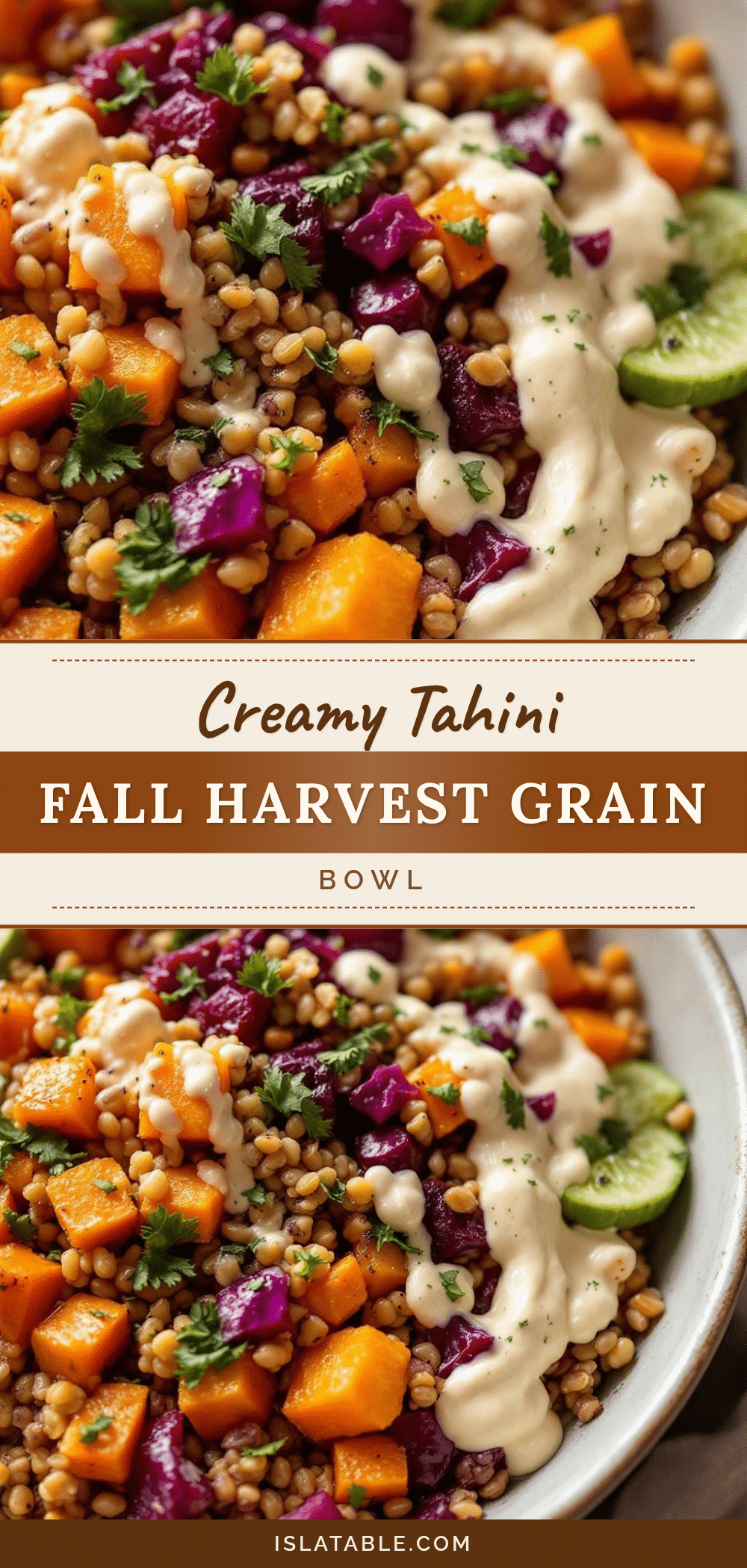
Wholesome Fall Harvest Grain Bowl: 5-Step Easy Recipe
A comforting and wholesome grain bowl featuring chewy farro or quinoa, roasted butternut squash and Brussels sprouts, and a creamy tahini-lemon dressing. This easy, vegetarian recipe is perfect for busy weeknights or meal prep.
- Prep Time: 15 minutes
- Cook Time: 40 minutes
- Total Time: 45 minutes
- Yield: 4 servings 1x
- Category: Main Course
- Cuisine: American
Ingredients
- 1 cup dry farro or quinoa
- 2 to 2.5 cups water or vegetable broth
- Pinch of salt (for grains)
- 1 medium butternut squash, peeled and cubed
- 1 pound Brussels sprouts, trimmed and halved
- 1 medium red onion, sliced into half-moons
- 3 tablespoons extra virgin olive oil
- 1 teaspoon dried thyme
- 1 teaspoon garlic powder
- 1/3 cup tahini paste
- 3 tablespoons fresh lemon juice
- 1 tablespoon maple syrup
- 1 clove garlic, minced
- 2 to 4 tablespoons warm water
- Salt and pepper to taste
Instructions
- Preheat oven to 400°F (200°C).
- Peel and cube the butternut squash, trim and halve the Brussels sprouts, and slice the red onion. Place all vegetables on a large rimmed baking sheet.
- Drizzle vegetables with olive oil and sprinkle with dried thyme, garlic powder, salt, and pepper. Toss to coat evenly and spread in a single layer.
- Roast vegetables for 20 minutes, stir, then roast for another 15-20 minutes until squash is tender and sprouts are crispy. Total roasting time is about 40 minutes.
- While vegetables roast, rinse grains. Combine grains, water/broth, and a pinch of salt in a saucepan. Bring to a boil, then reduce heat to low, cover, and simmer. Farro takes 30-40 minutes; quinoa takes 15 minutes. Let sit covered for 5 minutes, then fluff with a fork.
- In a small bowl, whisk together tahini, lemon juice, maple syrup, minced garlic, and salt. Gradually add warm water while whisking until the dressing is smooth and pourable. Adjust seasoning to taste.
- Divide warm grains among serving bowls. Top with roasted vegetables and drizzle generously with tahini dressing. Serve immediately.
Notes
For meal prep, assemble bowls without dressing just before eating to prevent sogginess. The dressing can be stored separately for up to 5 days. Ensure vegetables are not overcrowded on the pan to allow for proper roasting rather than steaming. Use warm water for the dressing to prevent the tahini from seizing.
Nutrition
- Serving Size: 1 bowl
- Calories: 450
- Sugar: 10
- Sodium: 320
- Fat: 18
- Saturated Fat: 3
- Carbohydrates: 65
- Fiber: 12
- Protein: 14
Keywords: fall harvest grain bowl, tahini recipe, vegetarian meal prep, roasted vegetables, farro bowl, quinoa bowl, healthy dinner, autumn recipes, wholesome eating