I had been looking for a focaccia recipe that actually delivered that signature open crumb and pillowy texture without requiring a sourdough starter that had been fed for weeks on end. For a while, I just accepted that same-day sourdough bread meant sacrificing flavor and structure. Every recipe I tried either tasted flat or demanded a three-day fermentation schedule that didn’t fit my life. I remember standing in my kitchen at 9 AM on a Saturday, staring at my active starter bubbling away in its jar, thinking there had to be a way to get that tangy, complex sourdough taste in a single afternoon.
So I started experimenting. I pushed the hydration higher than most recipes suggested and played with folding techniques until my arms got tired. I burned a few batches (honestly, more than a few) and ate some pretty dense focaccia along the way. But somewhere between the eighth and ninth attempt, something clicked. The dough felt different under my hands—alive and responsive, not sticky and uncooperative. When it came out of the oven, golden and crackling with olive oil, I knew I had finally cracked the code.
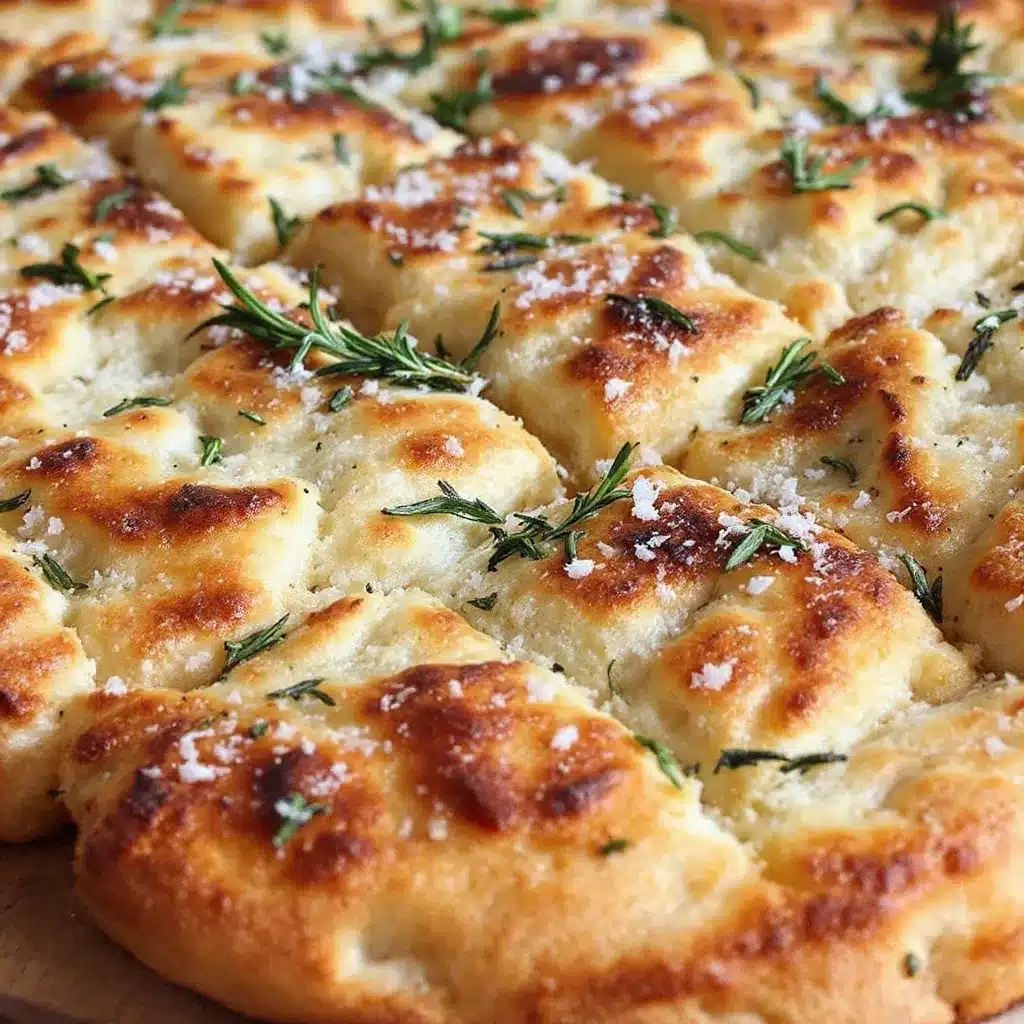
This same-day sourdough focaccia with rosemary and sea salt is the result of all that trial and error. It gives you that unmistakable sourdough tang, the kind of interior crumb that begs to be torn apart, and a crust so crispy it shatters when you bite into it. And it does all of this in a single day, using your active starter. No complicated schedules, no overnight waits, just honest bread that comes together while you go about your morning. This is the recipe that made me stop searching.
Why You’ll Love This Recipe
This isn’t just another focaccia recipe—it’s the one that finally bridges the gap between authentic sourdough flavor and real-world schedules. Here’s why it works so well:
- Same-Day Magic: From mixing to eating in about 6-7 hours. No overnight proofing, no complicated feeding schedules. Just a Saturday afternoon and a warm spot in your kitchen.
- Simple Ingredients: You need flour, water, salt, olive oil, rosemary, sea salt, and of course, your active sourdough starter. That’s it. No commercial yeast, no special additives.
- Perfect for Beginners: Focaccia is the most forgiving sourdough bread to start with. The high hydration means mistakes are hidden, and the dimpling step is genuinely fun.
- Crowd-Pleaser: I’ve brought this to potlucks, dinner parties, and casual get-togethers. It disappears faster than anything else on the table. People fight over the corner pieces.
- Unbelievably Delicious: The combination of tangy sourdough, fruity olive oil, fragrant rosemary, and crunchy sea salt crystals is absolutely addictive. Close-your-eyes-after-the-first-bite good.
What makes this recipe different from other focaccia recipes is the technique. I use a higher hydration than typical (85%) and a specific folding schedule that develops gluten strength without kneading. The result is an open, airy crumb with those signature sourdough bubbles that professional bakers chase. Plus, the long bulk fermentation at room temperature develops deep flavor without requiring a cold retard.
This is the kind of bread that makes you feel like a real baker. It’s comfort food reimagined—simpler, faster, but with the same soul-soothing satisfaction. Perfect for impressing dinner guests without spending all day in the kitchen, or turning a simple soup night into something memorable.
What Ingredients You Will Need
This recipe uses simple, wholesome ingredients to deliver that signature sourdough tang and crispy-yet-tender texture. Most of these are pantry staples, and the quality of your olive oil and salt really matters here.
- Bread flour (450g / 3 ½ cups): High-protein bread flour gives focaccia its chewy structure and open crumb. I prefer King Arthur or Bob’s Red Mill for consistent results. All-purpose flour works in a pinch, but the texture won’t be as airy.
- Warm water (385g / 1 ¾ cups): Use water around 80-85°F (27-29°C). Too hot and you’ll kill the wild yeast in your starter; too cold and fermentation will drag on forever.
- Active sourdough starter (100g / ½ cup): Your starter should be bubbly and doubled in size, fed 4-8 hours before mixing. A hungry starter won’t give you the rise you need. I feed mine a 1:1:1 ratio (equal parts starter, flour, and water) the night before.
- Fine sea salt (10g / 2 teaspoons): Salt controls fermentation and strengthens the gluten structure. Don’t skip it or reduce it—your bread will taste flat and spread too much.
- Extra-virgin olive oil (60g / ¼ cup plus more for pan): Use a good-quality olive oil here, not the cheap stuff. The oil contributes flavor and helps create that crispy, golden crust. California Olive Ranch is my go-to for everyday baking.
- Fresh rosemary (2 tablespoons, finely chopped): Fresh rosemary is non-negotiable here. Dried rosemary won’t soften during baking and can be prickly. Strip the leaves from the stems and chop them finely.
- Flaky sea salt (1-2 teaspoons for topping): Maldon sea salt flakes are perfect here. Their pyramid shape gives you bursts of salty crunch that contrast beautifully with the olive oil. Don’t use table salt—it will dissolve and you’ll lose that textural pop.
For the rosemary, I like to gently massage the chopped leaves into the olive oil before dimpling the dough. This releases the essential oils and infuses the entire surface with herbal flavor. If you’re using dried rosemary (in a pinch), crush it between your fingers first to break it down a bit.
A note on substitutions: You can use whole wheat flour for up to 20% of the bread flour for a nuttier flavor, but the crumb will be denser. For a gluten-free version, this recipe won’t work as written—sourdough focaccia relies heavily on gluten development. Check out my soft gluten-free pretzel bites for a gluten-free bread option that delivers on texture.
Equipment Needed
You don’t need fancy equipment for this recipe, which is part of its beauty. Here’s what you’ll need:
- Large mixing bowl: A 4-quart bowl works well. Glass or ceramic is ideal because they retain heat better than metal.
- Digital kitchen scale: This is crucial for consistent results. Measuring flour by volume is too inconsistent for sourdough. A $15 scale will change your baking life.
- Bench scraper or dough scraper: Makes folding and handling the sticky dough much easier. A plastic bowl scraper is also helpful for getting every bit of dough out of the bowl.
- 9×13-inch baking pan: A metal or glass baking dish works. I prefer a dark metal pan because it gives a darker, crispier bottom crust. If using glass, reduce the oven temperature by 25°F.
- Plastic wrap or a clean kitchen towel: For covering the dough during proofing. A shower cap actually works brilliantly for covering bowls.
- Cooling rack: Essential for letting the focaccia cool properly. If you leave it in the pan, the bottom will get soggy.
If you don’t have a bench scraper, a flexible spatula works for folding. And if you’re new to sourdough, don’t stress about the equipment—I made my first successful focaccia with a wooden spoon and a metal baking pan. The technique matters more than the tools.
Preparation Method
Let’s walk through this step by step. The timeline is about 6-7 hours total, with most of that being hands-off fermentation time.
Step 1: Mix the Dough (9:00 AM)
In your large mixing bowl, combine the warm water and active sourdough starter. Stir gently with a fork until the starter dissolves into the water—it should look milky and slightly cloudy. Add the bread flour and fine sea salt. Mix with your hand or a dough whisk until no dry flour remains. The dough will be shaggy and sticky. That’s exactly what we want. Cover the bowl with plastic wrap and let it rest for 30 minutes. This is called the autolyse, and it lets the flour fully hydrate before we start building structure.
Step 2: Perform Stretch and Folds (9:30 AM – 11:00 AM)
After the 30-minute rest, it’s time to strengthen the dough. Wet your hands slightly to prevent sticking. Grab one side of the dough, stretch it up as high as it will go without tearing, and fold it over the top of the dough. Rotate the bowl 90 degrees and repeat. Do this for all four sides. This is one set of folds. Cover the bowl and rest for 30 minutes.
Repeat this stretch-and-fold process three more times, with 30-minute rests in between. By the fourth set, you’ll notice the dough feels smoother, stronger, and less sticky. It should hold its shape better and feel alive in your hands. If it still feels slack, do one more set. Trust me, this is where the magic happens. After the final fold, cover the bowl and let the dough bulk ferment.
Step 3: Bulk Fermentation (11:00 AM – 2:00 PM)
This is the long, hands-off rise. The dough needs to double in size, which takes about 3 hours at room temperature (70-75°F). If your kitchen is cooler, it might take 4 hours; if warmer, closer to 2.5 hours. Look for visual cues rather than watching the clock. The dough should be puffy, domed, and full of bubbles. You should see small bubbles on the surface and the sides of the bowl. When you gently jiggle the bowl, the dough should wobble like a waterbed.
Step 4: Prepare the Pan and Transfer (2:00 PM)
Generously coat your 9×13-inch baking pan with olive oil—about 2-3 tablespoons. Don’t skimp here; the oil is what creates that crispy, golden bottom crust. Gently coax the dough out of the bowl and into the pan. It will be soft and sticky. Use oiled hands or a bench scraper to encourage it into an even layer. Don’t deflate it too much—you want to preserve those bubbles. Cover the pan with plastic wrap and let it rest for 30 minutes.
Step 5: Dimple and Proof (2:30 PM – 4:00 PM)
After 30 minutes, the dough will have relaxed and spread a bit. Now comes the fun part. Drizzle another 2 tablespoons of olive oil over the surface. Use your fingertips to press deep dimples all over the dough, pushing all the way to the bottom of the pan. This isn’t just for looks—the dimples create those signature focaccia pockets that hold the oil and toppings. Sprinkle the chopped rosemary and flaky sea salt evenly over the surface. Cover loosely and let it proof for another 1.5 hours. The dough should be puffy, jiggly, and full of visible bubbles.
Step 6: Bake (4:00 PM – 4:25 PM)
Preheat your oven to 450°F (230°C) with a rack in the middle position. Place the pan in the oven and bake for 20-25 minutes, rotating halfway through. The focaccia should be deep golden brown on top and sound hollow when you tap it. If the top is browning too quickly, tent it loosely with foil for the last 5 minutes. When it’s done, remove the pan from the oven and let it cool in the pan for 5 minutes. Then transfer the focaccia to a cooling rack. Brush the top with another tablespoon of olive oil while it’s still warm—this gives it that glossy, restaurant-quality finish.
Let the focaccia cool for at least 20 minutes before cutting. I know it’s tempting to tear into it immediately, but the interior needs time to set. Cutting too early will give you a gummy crumb. Trust the process.
Cooking Tips & Techniques
After making this recipe dozens of times, here are the things I wish I had known from the start.
Temperature matters more than you think. Sourdough fermentation is temperature-dependent. If your kitchen is below 68°F, your bulk fermentation could take 5-6 hours instead of 3. If it’s above 80°F, check your dough after 2 hours. I use the oven with the light on as a makeshift proofing box—it stays around 78°F, which is perfect. Just make sure the oven is off first!
Don’t skip the stretch and folds. I made that mistake once, thinking I could just mix and let it rise. The result was a flat, dense focaccia with no structure. Those four sets of folds build the gluten network that traps gas and creates that open crumb. It’s only about 2 minutes of work per set—just do it.
Wet hands are your best friend. Sourdough at 85% hydration is incredibly sticky. Dipping your hands in water (not oil) before handling the dough prevents sticking without adding extra flour that would throw off your hydration. I keep a small bowl of water next to my work station.
Watch for over-proofing. If your dough has large bubbles on the surface that look deflated or the dough collapses when you touch it, you’ve gone too far. Over-proofed dough won’t spring in the oven and will have a dense, sour flavor. When in doubt, err on the side of slightly under-proofed—it will still bake up beautifully.
Let it cool completely. I learned this the hard way after cutting into a hot focaccia and watching steam escape, leaving me with a gummy interior. The starches need time to set as the bread cools. If you can wait an hour, you’ll be rewarded with the perfect texture.
For more bread-making inspiration, try my soft gluten-free pretzel bites for a different take on homemade bread that’s just as satisfying.
Variations & Adaptations
This recipe is incredibly versatile. Here are some of my favorite variations:
Herb and Garlic Focaccia: Before dimpling, infuse your olive oil with 3 crushed garlic cloves and let it sit for 15 minutes. Remove the garlic and use the infused oil for the dimpling step. Add fresh thyme and oregano along with the rosemary for an herby explosion.
Caramelized Onion and Gruyère: While the dough is bulk fermenting, caramelize 2 large onions in butter and olive oil until deeply golden (about 45 minutes). After dimpling, scatter the onions and ½ cup of grated Gruyère over the dough before the final proof. The cheese gets crispy and the onions add sweetness.
Everything Bagel Focaccia: Skip the rosemary and use an everything bagel seasoning blend (poppy seeds, sesame seeds, dried garlic, dried onion, and salt). Brush the baked focaccia with melted butter for extra richness. This version is incredible alongside a bowl of soup.
Gluten-Free Adaptation: While sourdough focaccia is challenging to make gluten-free, you can try using a gluten-free bread flour blend and adding 1 teaspoon of xanthan gum. The texture will be different—more cake-like than chewy—but still delicious. For a reliable gluten-free option, my easy gluten-free cornbread muffins are a safer bet.
Vegan Version: This recipe is already vegan since sourdough doesn’t require dairy or eggs. Just make sure your salt is vegan (most sea salt is) and you’re good to go. For a dairy-free meal pairing, try this focaccia alongside my creamy dairy-free queso dip for an incredible appetizer spread.
Serving & Storage Suggestions
This focaccia is best served warm, within a few hours of baking. The contrast between the crispy, oily crust and the soft, airy interior is at its peak when fresh. Serve it as a side with soups, stews, or salads. It’s also fantastic split horizontally and used for sandwiches—try it with roasted vegetables and pesto for an unforgettable lunch.
For storage, wrap leftover focaccia tightly in foil or plastic wrap and keep it at room temperature for up to 2 days. Do not refrigerate—the cold temperature will stale the bread faster. To reheat, place slices directly on the oven rack at 350°F for 5-7 minutes, or pop them in a toaster. The oven method restores the crispy crust better than the microwave, which will make it chewy.
You can freeze focaccia for up to 3 months. Wrap it tightly in plastic wrap, then foil, and place it in a freezer bag. To thaw, leave it at room temperature for about an hour, then reheat in the oven. The texture won’t be quite as perfect as fresh, but it’s still delicious. I often make a double batch and freeze one for busy weeks.
Interestingly, the flavor actually improves on day two. The sourdough tang becomes more pronounced as the bread sits. Day-old focaccia is perfect for making croutons or breadcrumbs, or for toasting and serving with olive oil for dipping.
Nutritional Information & Benefits
Per serving (1/8 of the recipe):
- Calories: 280
- Total Fat: 12g
- Saturated Fat: 2g
- Carbohydrates: 36g
- Fiber: 2g
- Protein: 6g
- Sodium: 480mg
Sourdough bread has several health benefits over commercial yeast bread. The fermentation process breaks down phytic acid, which makes the minerals in the flour more bioavailable. It also produces lactic acid, which gives sourdough a lower glycemic index than regular bread—meaning it won’t spike your blood sugar as dramatically.
The olive oil in this recipe provides heart-healthy monounsaturated fats and antioxidants. Rosemary is rich in anti-inflammatory compounds and adds a significant antioxidant boost. The sea salt provides essential minerals like magnesium and potassium.
This recipe is naturally vegan and dairy-free. If you’re watching your sodium, you can reduce the flaky salt topping, but I find it’s essential for the flavor contrast. For a lower-carb option, this isn’t the recipe for you, but it does provide sustained energy from complex carbohydrates.
Conclusion
This same-day sourdough focaccia with rosemary and sea salt is proof that you don’t need a complicated schedule or years of experience to bake incredible bread at home. It delivers everything you want from focaccia—that crispy, oily crust, that pillowy interior, that tangy sourdough flavor—in a single afternoon. It’s the recipe that made me believe same-day sourdough was possible, and I hope it does the same for you.
Don’t be afraid to make it your own. Add your favorite herbs, experiment with toppings, or serve it alongside your favorite meal. The beauty of this recipe is its flexibility. And if something doesn’t go perfectly the first time? That’s okay. Bread baking is a journey, and every batch teaches you something new.
I’d love to hear how your focaccia turns out. Leave a comment below with your variations, questions, or just to share your baking success. And if you enjoyed this recipe, share it with a friend who needs a little more homemade bread in their life. Happy baking!
Frequently Asked Questions
Can I use all-purpose flour instead of bread flour?
Yes, you can substitute all-purpose flour, but the texture will be less chewy and the crumb won’t be as open. Bread flour has higher protein content (12-14%) which creates more gluten structure. If using all-purpose, expect a softer, more tender focaccia that’s still delicious but different in texture.
My dough isn’t rising. What went wrong?
Several factors could be at play. Your starter might not be active enough—it should be bubbly and doubled within 4-8 hours of feeding. Your kitchen might be too cold; try using the oven with the light on as a proofing box. Or your water might have been too hot, killing the wild yeast. Check your water temperature next time—aim for 80-85°F.
Can I make this gluten-free?
Sourdough focaccia is challenging to make gluten-free because the structure depends heavily on gluten development. You can try using a high-quality gluten-free bread flour blend with xanthan gum, but the texture will be more cake-like. For a reliable gluten-free bread option, try my easy gluten-free cornbread muffins instead.
How do I store leftover focaccia?
Wrap leftover focaccia tightly in foil or plastic wrap and store at room temperature for up to 2 days. Do not refrigerate—it will stale faster. To reheat, place slices in a 350°F oven for 5-7 minutes to restore the crispy crust. You can also freeze it for up to 3 months wrapped in plastic and foil.
Can I add other toppings besides rosemary and salt?
Absolutely! This recipe is incredibly versatile. Try caramelized onions and Gruyère, cherry tomatoes and olives, everything bagel seasoning, or roasted garlic and thyme. Just add any toppings that might release moisture (like tomatoes) during the final proof, not before, to prevent a soggy bottom.
Pin This Recipe!
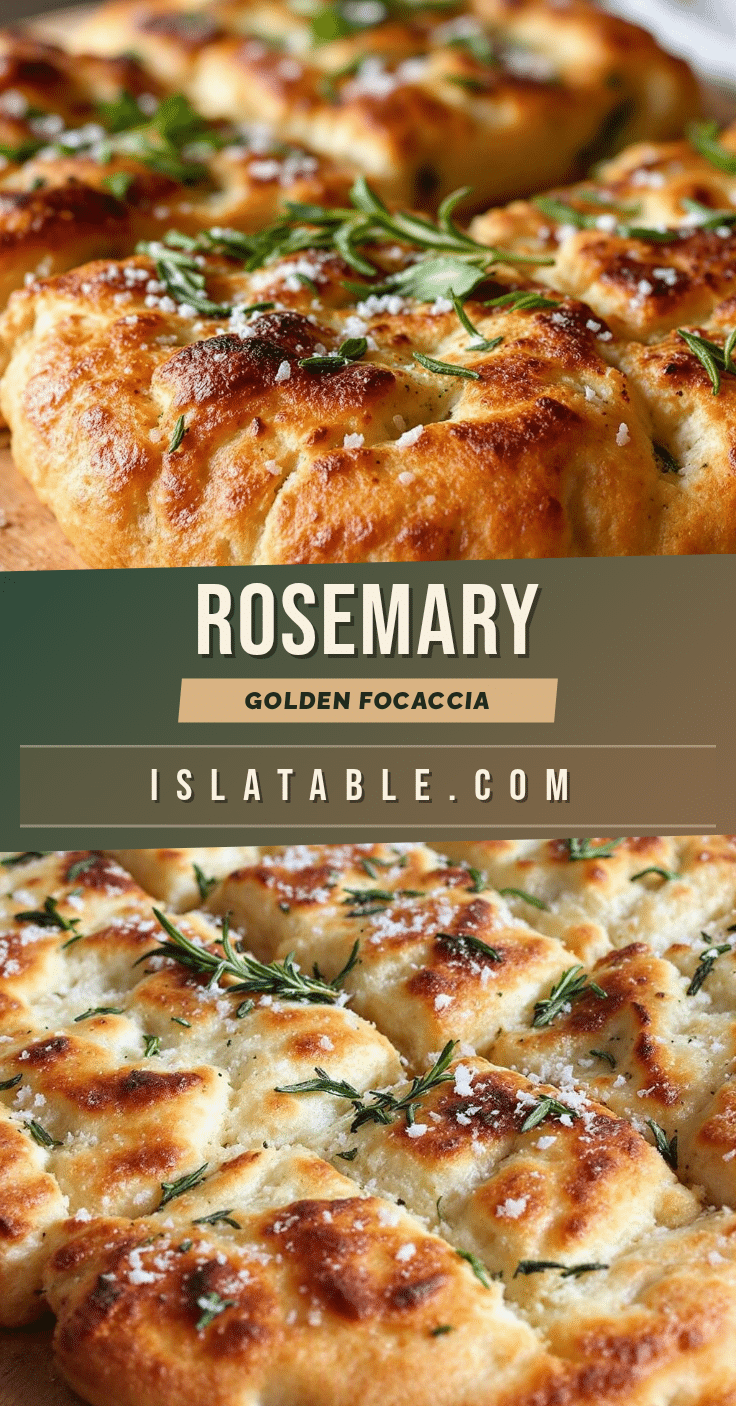
The Best Same-Day Sourdough Focaccia (Easy & Quick!)

This same-day sourdough focaccia with rosemary and sea salt delivers a tangy sourdough flavor, a crispy crust, and a pillowy interior in just 6-7 hours. Perfect for beginners and crowd-pleasers alike.
- Prep Time: 15 minutes
- Cook Time: 25 minutes
- Total Time: 6 hours 40 minutes
- Yield: 8 servings 1x
- Category: Bread
- Cuisine: Italian
Ingredients
- 450g (3 ½ cups) bread flour
- 385g (1 ¾ cups) warm water (80-85°F)
- 100g (½ cup) active sourdough starter
- 10g (2 teaspoons) fine sea salt
- 60g (¼ cup) extra-virgin olive oil, plus more for pan
- 2 tablespoons fresh rosemary, finely chopped
- 1–2 teaspoons flaky sea salt (for topping)
Instructions
- Mix the Dough (9:00 AM): In a large mixing bowl, combine warm water and active sourdough starter. Stir until dissolved. Add bread flour and fine sea salt. Mix until no dry flour remains. Cover and rest for 30 minutes (autolyse).
- Perform Stretch and Folds (9:30 AM – 11:00 AM): Wet hands slightly. Stretch one side of dough up and fold over. Rotate bowl 90° and repeat for all four sides. Cover and rest 30 minutes. Repeat three more times (total 4 sets). After final fold, cover and bulk ferment.
- Bulk Fermentation (11:00 AM – 2:00 PM): Let dough double in size, about 3 hours at room temperature (70-75°F). Look for puffy, domed dough with bubbles on surface.
- Prepare Pan and Transfer (2:00 PM): Generously coat a 9×13-inch baking pan with 2-3 tablespoons olive oil. Gently transfer dough to pan, preserving bubbles. Cover and rest 30 minutes.
- Dimple and Proof (2:30 PM – 4:00 PM): Drizzle 2 tablespoons olive oil over dough. Use fingertips to press deep dimples all over. Sprinkle chopped rosemary and flaky sea salt. Cover loosely and proof 1.5 hours until puffy and jiggly.
- Bake (4:00 PM – 4:25 PM): Preheat oven to 450°F (230°C). Bake 20-25 minutes, rotating halfway, until deep golden brown and hollow-sounding when tapped. Cool in pan 5 minutes, then transfer to cooling rack. Brush with 1 tablespoon olive oil while warm. Cool at least 20 minutes before cutting.
Notes
Temperature matters: if kitchen is below 68°F, bulk fermentation may take 5-6 hours; if above 80°F, check after 2 hours. Use wet hands to handle sticky dough. Let cool completely before cutting to avoid gummy crumb. Flavor improves on day two.
Nutrition
- Serving Size: 1/8 of recipe
- Calories: 280
- Sodium: 480
- Fat: 12
- Saturated Fat: 2
- Carbohydrates: 36
- Fiber: 2
- Protein: 6
Keywords: sourdough focaccia, same-day focaccia, rosemary focaccia, easy sourdough bread, homemade focaccia