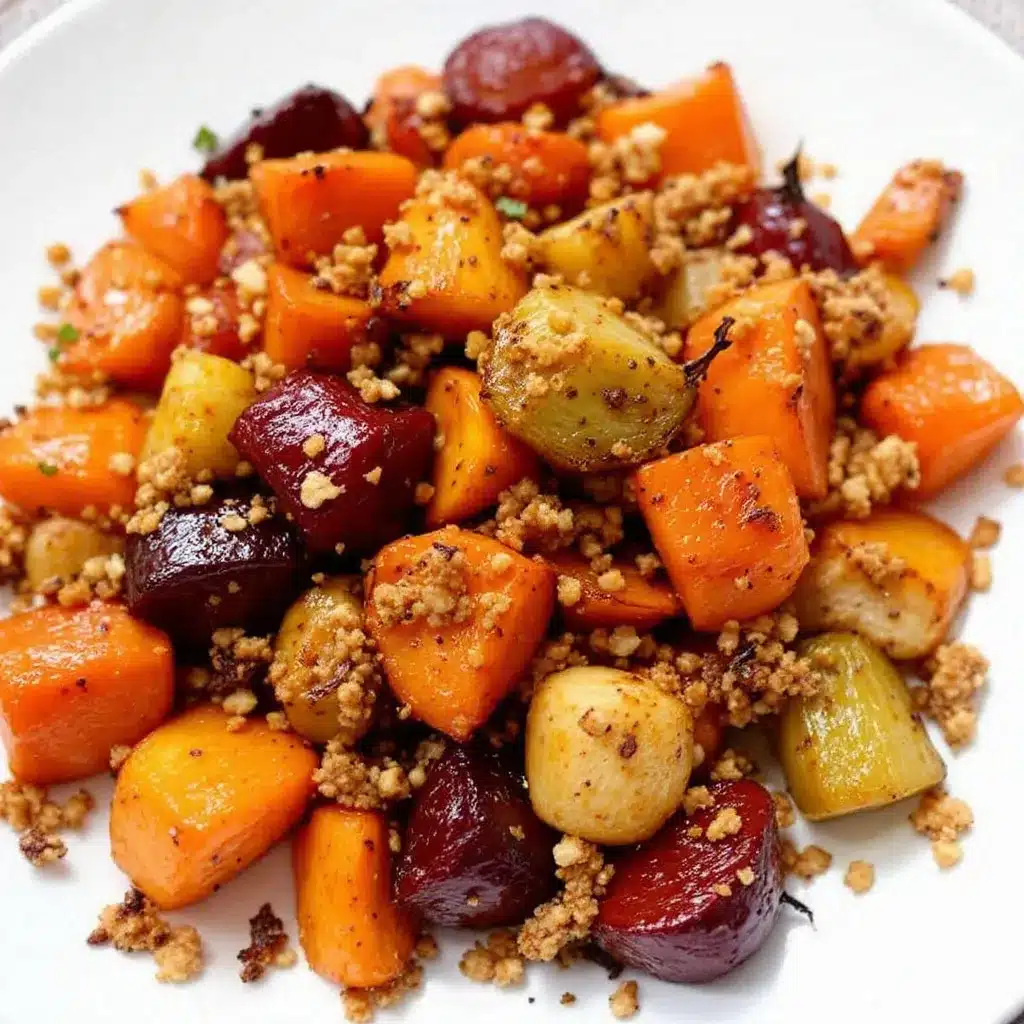
The way the maple glaze clings to the rough, earthy skin of a roasted carrot is what I made this for — everything else is secondary. You know how sometimes you’re standing in front of your oven, waiting for that specific smell that promises comfort? That’s where this recipe lives. It’s not about being fancy. It’s about getting those sweet, savory corners just right.
I remember making these for a rainy Tuesday dinner last November. The house was cold, and I needed something warm that didn’t require much effort. I threw a bunch of root veggies on a sheet pan, drizzled them with maple syrup and thyme, and waited. When I pulled them out, the edges were dark and sticky. Just like that.
Honestly, roasted vegetables often get a bad rap for being mushy or bland. But when you get the caramelization right, they taste like candy. The texture is the star here. You want that crunch on the outside and a creamy interior that almost melts on your tongue.
This isn’t a complicated dish. You don’t need a degree in culinary arts to make it. You just need a sharp knife, a hot oven, and some good maple syrup. I’ve made these for dinner parties, and people always ask for the recipe. But mostly, I make them for myself when I want to feel cozy without spending hours in the kitchen.
There is something deeply satisfying about watching the vegetables shrink and brown. It’s simple physics, but it feels like magic every time. The sugars in the vegetables and the syrup react to the heat, creating that deep, rich flavor. It’s the kind of side dish that disappears before you even realize you’re still hungry.
I love how versatile this is. You can use whatever root vegetables you have lying around. Potatoes, parsnips, beets, carrots—they all play nice together. The maple glaze ties them all into one cohesive, delicious package. It’s rustic and unpretentious, which is exactly what I look for in a weeknight meal.
The best part is the leftovers. They reheat surprisingly well, and the flavors actually get a bit deeper the next day. I’ll admit, I sometimes eat them cold from the fridge for lunch. Don’t judge me. They’re that good.
So, if you’re looking for a side dish that feels special but is actually super easy, give this a try. It’s humble, hearty, and incredibly satisfying. Let’s get cooking.
Why You’ll Love This Recipe
This recipe isn’t just another list of vegetables on a plate. It’s the kind of dish that makes you close your eyes after the first bite because the flavor is just that good. I’ve tested this map glaze technique dozens of times to get the balance of sweetness and savory notes just right. It’s not too sweet, and not too salty. It’s perfect.
Here is why this maple glazed roasted root vegetables recipe stands out from the rest:
- Quick & Easy: Comes together in under 45 minutes, including prep time. This is perfect for busy weeknights when you want something healthy but don’t have hours to spend chopping and stirring.
- Simple Ingredients: No fancy grocery trips needed. You likely already have maple syrup, olive oil, and basic herbs in your kitchen. It relies on whole, natural foods that are easy to find.
- Perfect for Dinner Parties: Great for potlucks, holiday gatherings, or cozy dinners at home. It’s a crowd-pleaser that looks impressive on the table but is actually very low-stress to make.
- Unbelievably Delicious: The texture and flavor combo is next-level comfort food. The contrast between the crispy, caramelized edges and the tender, sweet centers is addictive.
- Versatile and Flexible: You can swap out vegetables based on what is in season or what you have in your crisper drawer. It’s a forgiving recipe that welcomes improvisation.
What makes this recipe different from the rest is the specific attention to the glaze. Many recipes just toss veggies in oil and salt. This one uses a reduced maple syrup mixture that clings to the vegetables, ensuring every bite has that sticky, sweet-savory kick. It’s a small detail that makes a huge difference.
It’s comfort food reimagined—healthier, faster, but with the same soul-soothing satisfaction. I use this recipe when I want to eat more plants but still crave something rich and indulgent. It proves that vegetables can be the star of the show, not just an afterthought.
I’ve served this alongside tender small batch bbq pulled pork for two for a cozy weekend dinner, and it was a hit. The sweetness of the carrots complements the smoky pork perfectly. It’s also a great partner for grilled meats or even just a simple salad.
This recipe isn’t just good—it is the kind that makes you want to make it again and again. It’s reliable, delicious, and incredibly satisfying. Whether you are a seasoned cook or a beginner, this dish will give you confidence in the kitchen.
What Ingredients You Will Need
This recipe uses simple, wholesome ingredients to deliver bold flavor and satisfying texture without the fuss. The magic happens in the balance between the earthy vegetables and the sweet, aromatic glaze. You don’t need anything exotic, just high-quality basics that let their natural flavors shine.
Here is what you will need to get started:
For the Vegetables
- Carrots: 1 pound, peeled and cut into 1-inch chunks. Look for fresh, firm carrots with bright orange color. Smaller carrots are sweeter. I recommend organic if possible, as the skin retains a lot of flavor.
- Parsnips: 1 pound, peeled and cut into 1-inch chunks. Parsnips add a subtle peppery sweetness that balances the map. They look like white carrots but have a richer, nuttier taste.
- Beets: 2 medium beets, peeled and cut into 1-inch cubes. Beets add a deep, earthy richness and a beautiful color. Wear gloves when peeling them to avoid staining your hands.
- Sweet Potatoes: 1 large sweet potato, peeled and cut into 1-inch cubes. These add a creamy texture and natural sweetness. Yam and sweet potato are often used interchangeably, but sweet potatoes are generally better for roasting.
- Red Onion: 1 medium red onion, cut into 1-inch wedges. Red onion holds its shape better than yellow onion during roasting and adds a mild, sweet sharpness.
For the Maple Glaze
- Maple Syrup: 3 tablespoons. Use pure maple syrup, not pancake syrup. The label should say “100% Pure Maple Syrup.” It provides the authentic flavor and sticky texture. (adds richness)
- Extra Virgin Olive Oil: 2 tablespoons. High-quality oil helps with browning and adds a fruity note. I prefer a light extra virgin oil so it doesn’t overpower the vegetables.
- Dijon Mustard: 1 teaspoon. This is the secret ingredient. It adds a tangy depth that cuts through the sweetness of the maple. It doesn’t make the dish taste like mustard.
- Fresh Thyme: 1 tablespoon, leaves stripped from stems. Thyme pairs beautifully with root vegetables. Fresh thyme is much better than dried, but dried works in a pinch.
- Garlic: 2 cloves, minced. Fresh garlic is essential. Pre-minced garlic from a jar can taste metallic and bitter when roasted.
- Kosher Salt: 1 teaspoon. Kosher salt is preferred because it is easier to control. Table salt is denser and can make the dish too salty.
- Black Pepper: ½ teaspoon, freshly ground. Freshly cracked pepper adds a nice heat and aroma.
I always keep a bottle of good maple syrup in my pantry. Brands like Maple Grove Farms or local store brands with high purity ratings work well. The quality of the syrup really matters here since it is the main flavor driver.
If you are sensitive to nightshades, you can omit the beets and use extra parsnips or turnips. For a nut-free option, this recipe is naturally free of nuts, making it safe for most allergies.
Equipment Needed
You don’t need much to make this recipe, but having the right tools makes a big difference. Here is what you will need:
- Large Sheet Pan: A standard 18×13 inch baking sheet is ideal. If you don’t have one, use two smaller pans to avoid crowding. Crowded vegetables steam instead of roast, which prevents caramelization.
- Sharp Chef’s Knife: A good knife makes cutting the vegetables safe and easy. I use a 8-inch chef’s knife for most tasks.
- Peeler: A Y-peeler is faster and easier to use than a paring knife for peeling carrots and parsnips.
- Mixing Bowl: A large bowl for tossing the vegetables with the glaze. A glass or ceramic bowl works best.
- Pastry Brush: Optional, but helpful for applying the glaze evenly. You can also just drizzle it on and toss.
- Parchment Paper: Lining your sheet pan with parchment paper makes cleanup a breeze. It also helps with even browning.
If you don’t have a large sheet pan, you can use a roasting pan, but you may need to increase the cooking time slightly. A cast-iron skillet is also a great option for roasting smaller batches. It retains heat well and gives excellent browning.
I recommend keeping your knives sharp. A dull knife is dangerous and makes uneven cuts, which leads to uneven cooking. Take the time to sharpen your knives regularly. It will change the way you cook.
Preparation Method
Getting the preparation right is key to success. Here is how to make this cozy maple glazed roasted root vegetables recipe step-by-step.
- Preheat the Oven: Preheat your oven to 425°F (220°C). This high heat is crucial for caramelization. If your oven runs hot or cold, use an oven thermometer to check the actual temperature. (Time: 10 minutes)
- Prep the Vegetables: Peel the carrots, parsnips, and beets. Cut them into uniform 1-inch pieces. Uniformity is important so they cook at the same rate. If some pieces are too small, they will burn. If some are too big, they will remain hard. (Time: 15 minutes)
- Make the Glaze: In a small bowl, whisk together the maple syrup, olive oil, Dijon mustard, minced garlic, salt, and pepper. Stir in the fresh thyme leaves. The mixture should be smooth and well-combined. (Time: 2 minutes)
- Toss the Vegetables: Place the cut vegetables on the parchment-lined sheet pan. Drizzle the glaze over them. Use your hands or a large spoon to toss everything until the vegetables are evenly coated. Make sure there are no dry spots. (Time: 3 minutes)
- Roast: Spread the vegetables in a single layer. Do not overcrowd the pan. If they are touching, they will steam. Roast in the preheated oven for 25 minutes. (Time: 25 minutes)
- Flip and Baste: After 25 minutes, pull the pan out. Flip the vegetables over with a spatula. This ensures even browning on all sides. If there is any glaze left in the pan, spoon it over the vegetables. (Time: 2 minutes)
- Finish Roasting: Return the pan to the oven and roast for another 15-20 minutes, or until the vegetables are tender and have dark, caramelized edges. Check them at the 15-minute mark to prevent burning. (Time: 15-20 minutes)
- Rest and Serve: Remove the pan from the oven. Let the vegetables rest for 5 minutes. This allows the glaze to set slightly. Taste and add more salt or pepper if needed. Serve warm. (Time: 5 minutes)
The total time from start to finish is about 45-50 minutes. The active prep time is low, so you can use this time to set the table or make a salad.
If you find the vegetables are browning too quickly, lower the oven temperature to 400°F (200°C) and extend the cooking time by 10 minutes. It’s better to under-caramelize slightly than to burn the sugars.
Cooking Tips & Techniques
I’ve made this recipe enough times to know what works and what doesn’t. Here are some professional tips to help you get the best results.
- Don’t Crowd the Pan: This is the most common mistake. Vegetables need space to breathe. If they are piled on top of each other, they will steam. Use two pans if necessary. Space is your friend.
- Uniform Cuts: Try to cut the vegetables into similar sizes. This ensures they cook evenly. If you have some tiny pieces, just eat them first or remove them from the pan earlier.
- High Heat is Key: 425°F is the sweet spot. Lower temperatures won’t create the Maillard reaction needed for browning. Higher temperatures might burn the maple syrup. Stick to 425°F.
- Flip Midway: Flipping the vegetables halfway through cooking ensures they brown on all sides. It’s a small step that makes a big difference in texture and flavor.
- Taste as You Go: Vegetables vary in sweetness. Taste a piece after roasting. If they need more salt, add it. If they need more acid, a squeeze of lemon juice can brighten the dish.
I once tried making this with frozen vegetables. It was a disaster. They turned into mush. Always use fresh vegetables for roasting. Frozen vegetables have too much water content and will not caramelize properly.
Another tip is to use fresh thyme. Dried thyme can be bitter when roasted at high heat. If you only have dried, use half the amount and add it at the end of cooking. Fresh herbs retain their flavor better in the oven.
Multitasking is easy here. While the vegetables roast, you can start the main course. Just check on the veggies every 10 minutes to make sure they aren’t sticking to the pan. If they are, add a splash of water to deglaze the pan.
Variations & Adaptations
This recipe is a canvas. You can change it up based on your preferences or what you have on hand. Here are some ideas:
- Gluten-Free Option: This recipe is naturally gluten-free. Just ensure your maple syrup and Dijon mustard are certified gluten-free if you have celiac disease.
- Vegan Option: This recipe is already vegan. No changes needed. It’s a great plant-based side dish.
- Spicy Kick: Add ½ teaspoon of red pepper flakes to the glaze. It adds a nice heat that contrasts with the sweetness. I like this version with roasted chicken.
- Herb Swap: If you don’t like thyme, try rosemary or sage. Rosemary is stronger, so use less. Sage adds a earthy, savory note that pairs well with pork.
- Seasonal Twist: In the spring, add some asparagus or green beans in the last 10 minutes of roasting. They cook quickly and add a fresh crunch.
I recently tried adding a handful of pecans to the pan during the last 5 minutes of cooking. They toasted beautifully and added a great crunch. It was a fun variation that I’ll definitely make again.
For a low-carb version, swap the sweet potatoes and carrots for radishes or turnips. They roast well and have a lower sugar content. The maple glaze can be reduced, or you can use a sugar-free sweetener if needed.
If you are cooking for a large group, double the recipe. Just use two sheet pans and rotate them halfway through cooking. This ensures even browning on both pans.
Serving & Storage Suggestions
This dish is best served warm, straight from the oven. The glaze is sticky and aromatic, and it smells amazing.
- Serving Ideas: Pair this with roasted chicken, grilled steak, or fish. It’s also great with easy gluten-free cornbread muffins for a complete meal. A simple green salad with vinaigrette balances the sweetness.
- Storage: Store leftovers in an airtight container in the refrigerator for up to 4 days. The vegetables will soften slightly, but they will still taste good.
- Reheating: Reheat in the oven at 350°F for 10-15 minutes. This restores the crispiness. Avoid the microwave, as it will make the vegetables soggy.
- Freezing: This recipe does not freeze well. The texture of the vegetables changes after freezing and thawing. It’s best enjoyed fresh.
The flavors develop over time, so the leftovers actually taste a bit sweeter the next day. I often eat them cold for lunch, and they are surprisingly delicious.
For presentation, garnish with fresh parsley or chives before serving. It adds a pop of color and freshness. Serve in a rustic ceramic bowl for a cozy, homey feel.
Nutritional Information & Benefits
This recipe is not only delicious but also packed with nutrients. Root vegetables are rich in vitamins, minerals, and fiber.
- Carrots: High in beta-carotene, which converts to vitamin A. Great for eye health and immune function.
- Parsnips: A good source of vitamin C and fiber. They support digestive health.
- Beets: Rich in nitrates, which can help lower blood pressure. They also contain folate and manganese.
- Sweet Potatoes: High in vitamin A, vitamin C, and potassium. They are a great source of complex carbohydrates for energy.
The maple syrup adds natural sugars, but the fiber in the vegetables helps regulate blood sugar absorption. This dish is a balanced side that provides sustained energy.
It is naturally gluten-free, dairy-free, and vegan. It’s a great option for people with dietary restrictions who still want to enjoy flavorful food.
I love that this recipe allows me to eat more vegetables without feeling like I’m sacrificing taste. It’s a win-win for my health and my taste buds.
Conclusion
This cozy maple glazed roasted root vegetables recipe is a testament to the power of simple ingredients. It’s easy to make, incredibly delicious, and perfect for any occasion. I hope you try it and enjoy it as much as I do.
Feel free to customize it with your favorite herbs or vegetables. Make it your own. I’d love to hear how it turns out for you.
If you make this recipe, please leave a comment below. Share your variations and tips with the community. You can also share a photo on social media and tag me.
Thanks for reading. Happy cooking!
Frequently Asked Questions
Can I use frozen root vegetables?
No, frozen vegetables have too much water content and will not caramelize properly. Always use fresh vegetables for the best texture and flavor.
Can I make this recipe in an air fryer?
Yes, you can. Cook at 400°F for 15-20 minutes, shaking the basket halfway through. Keep an eye on them to prevent burning.
What other herbs work well with this glaze?
Rosemary, sage, and thyme are all great options. Fresh herbs are preferred, but dried herbs can be used in a pinch.
How do I store leftovers?
Store in an airtight container in the refrigerator for up to 4 days. Reheat in the oven to restore crispiness.
Can I reduce the sugar in this recipe?
You can reduce the maple syrup to 2 tablespoons, but the vegetables may not caramelize as well. Alternatively, use a sugar-free sweetener, but the texture will be different.
Pin This Recipe!
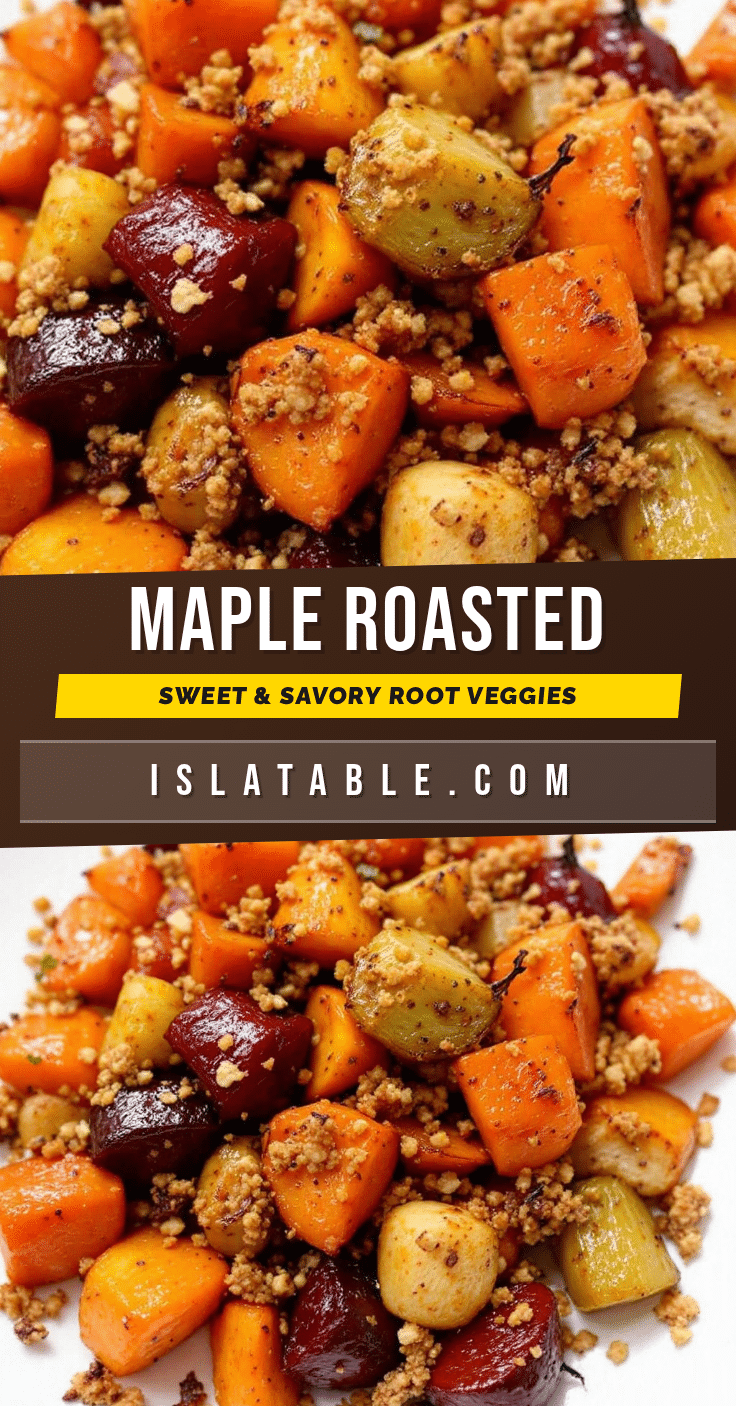
Cozy Maple Glazed Roasted Root Vegetables: Easy 30-Min Side
A simple, rustic side dish featuring roasted root vegetables coated in a sweet and savory maple glaze. This recipe delivers caramelized edges and tender interiors, perfect for weeknight dinners or dinner parties.
- Prep Time: 15 minutes
- Cook Time: 40 minutes
- Total Time: 55 minutes
- Yield: 4 servings 1x
- Category: Side Dish
- Cuisine: American
Ingredients
- 1 pound carrots, peeled and cut into 1-inch chunks
- 1 pound parsnips, peeled and cut into 1-inch chunks
- 2 medium beets, peeled and cut into 1-inch cubes
- 1 large sweet potato, peeled and cut into 1-inch cubes
- 1 medium red onion, cut into 1-inch wedges
- 3 tablespoons pure maple syrup
- 2 tablespoons extra virgin olive oil
- 1 teaspoon Dijon mustard
- 1 tablespoon fresh thyme leaves
- 2 cloves garlic, minced
- 1 teaspoon kosher salt
- ½ teaspoon freshly ground black pepper
Instructions
- Preheat oven to 425°F (220°C).
- Peel carrots, parsnips, and beets. Cut all vegetables into uniform 1-inch pieces.
- In a small bowl, whisk together maple syrup, olive oil, Dijon mustard, minced garlic, salt, and pepper. Stir in fresh thyme leaves.
- Place cut vegetables on a parchment-lined sheet pan. Drizzle with the glaze and toss until evenly coated.
- Spread vegetables in a single layer, ensuring they are not crowded.
- Roast for 25 minutes.
- Remove pan, flip vegetables, and spoon any remaining glaze over them.
- Return to oven and roast for another 15-20 minutes, or until tender and caramelized.
- Let rest for 5 minutes before serving.
Notes
Do not crowd the pan to ensure proper caramelization rather than steaming. Use fresh vegetables; frozen vegetables will become mushy. If vegetables brown too quickly, lower oven temperature to 400°F. This recipe is naturally nut-free.
Nutrition
- Serving Size: Approximately 1 cup
- Calories: 220
- Sugar: 22
- Sodium: 450
- Fat: 8
- Saturated Fat: 1
- Carbohydrates: 38
- Fiber: 7
- Protein: 3
Keywords: roasted root vegetables, maple glazed vegetables, healthy side dish, vegan side dish, gluten-free recipe, easy dinner, caramelized vegetables, autumn recipes