I want something that tastes like fall but doesn’t require me to peel a butternut squash. That’s the thought that hit me standing in my kitchen last October, staring at a bin of delicata squash I’d grabbed on impulse at the farmers market. I had maple syrup in the pantry, a vague craving for something crispy, and honestly, zero patience for wrestling with tough squash skin.
Delicata squash, I’d heard, had edible skin. That felt like a cheat code. So I sliced one into rings, tossed it with oil and salt, and roasted it on a sheet pan while I figured out the rest. The first batch came out okay—soft, sweet, a little boring. But then I added a maple glaze halfway through, cranked the heat, and let the edges caramelize into something almost candy-like. The edges turned dark and shattery. The centers stayed tender. And I stood at the counter eating pieces straight off the pan, which is how I know a recipe is going to stick.
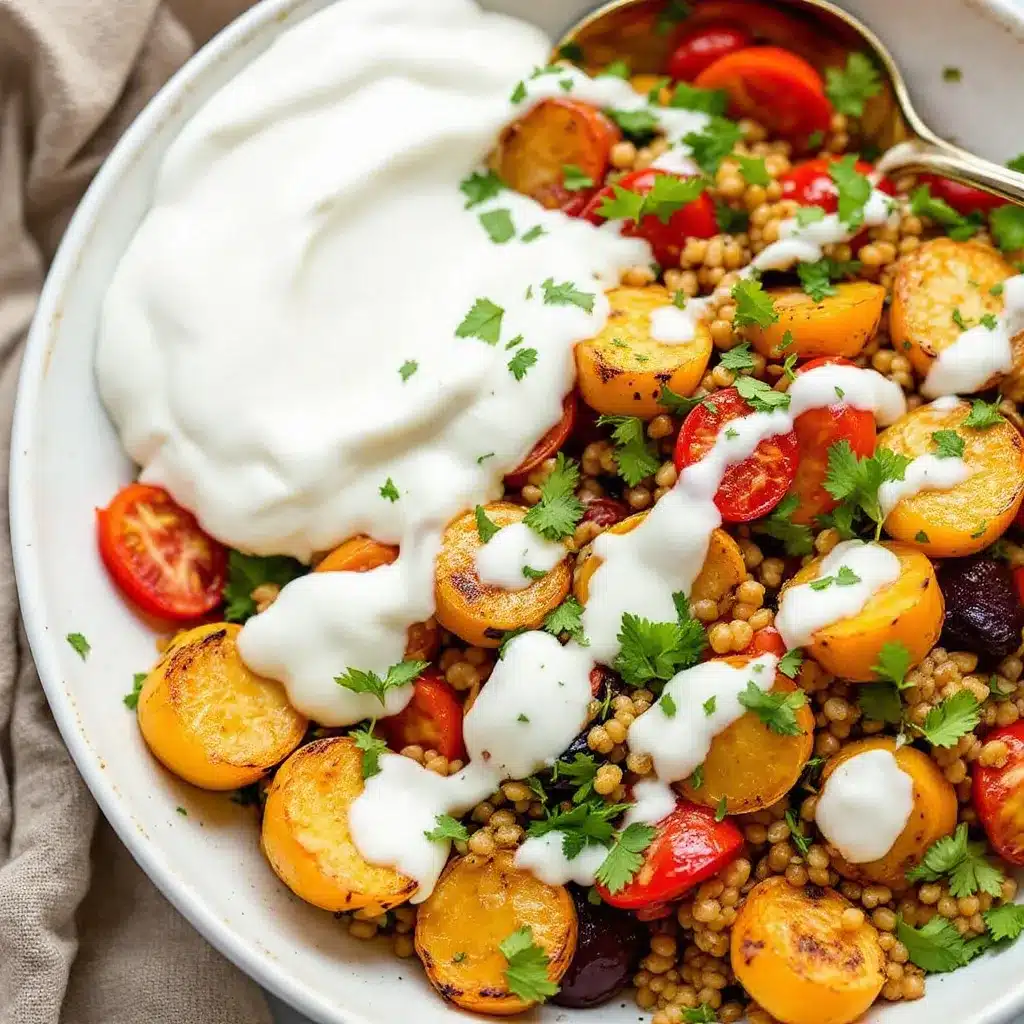
This Crispy Maple Glazed Delicata Squash is the kind of side dish that sneaks up on you. It looks simple, but the texture contrast—crispy edges, creamy interior, sticky-sweet glaze—makes it feel more like a treat than a vegetable. And because you don’t have to peel it, it comes together in about 10 minutes of active work. That’s the kind of fall cooking I can get behind.
Why You’ll Love This Recipe
I’ve tested this recipe about seven times to get the texture just right. Too low and the squash steams. Too high and the sugar burns before the inside cooks. But when you hit that sweet spot—400°F, a two-stage roasting process—the results are genuinely restaurant-quality. Here’s why this version stands out:
- Quick & Easy: From fridge to table in under 40 minutes, with only 10 minutes of hands-on prep. Perfect for weeknights when you want something special without the fuss.
- No Peeling Required: Delicata squash has thin, tender skin that roasts up perfectly edible. That alone saves you 15 minutes of wrestling with a vegetable peeler.
- Simple Ingredients: You need delicata squash, maple syrup, olive oil, salt, and maybe some black pepper and cinnamon. That’s it. No trips to a specialty store.
- Crowd-Pleaser: I brought this to a Friendsgiving potluck last year and watched people who claimed they “didn’t like squash” go back for seconds. The crispy edges win everyone over.
- Dietary-Friendly: Naturally gluten-free, dairy-free, and vegan. Works for almost any eating style without modifications.
- That Texture Contrast: The real magic here is the dual texture—shattery caramelized edges with a creamy, almost custard-like center. It’s what makes this feel like a splurge even though it’s just vegetables.
This isn’t just another roasted squash recipe. It’s the one where you learn to glaze mid-roast for maximum caramelization without burning the sugar. It’s the one where the edges get genuinely crispy, not just browned. And it’s the one that’ll make you wonder why you ever bothered peeling squash in the first place.
What Ingredients You Will Need
This recipe relies on a short list of pantry-friendly ingredients. The quality of your maple syrup matters more than you’d think—use the real stuff, not pancake syrup. Here’s what you’ll need:
For the Squash
- 2 medium delicata squash (about 1.5 pounds total): Look for squash that feels heavy for its size with firm, unblemished skin. Smaller squash tend to be sweeter and less watery.
- 2 tablespoons olive oil: Use a good-quality extra virgin olive oil for flavor, or avocado oil if you prefer a neutral taste. The oil helps the seasoning stick and promotes browning.
- ½ teaspoon salt: I prefer fine sea salt here. It dissolves better and distributes more evenly than coarse kosher salt.
- ¼ teaspoon black pepper: Freshly ground, ideally. It adds a subtle warmth that balances the sweetness.
For the Maple Glaze
- 3 tablespoons pure maple syrup: Grade A dark amber works best here—it has a stronger maple flavor that holds up during roasting. Don’t use pancake syrup; it contains corn syrup and won’t caramelize the same way.
- 1 tablespoon olive oil: Helps the glaze spread evenly and prevents the sugar from burning too quickly.
- ¼ teaspoon ground cinnamon: Optional but highly recommended. Cinnamon amplifies the natural sweetness of the squash without making it taste dessert-like.
- ⅛ teaspoon cayenne pepper: Optional, but I love the tiny kick of heat. It cuts through the sweetness and makes the whole dish more interesting. Skip it if you’re serving kids or spice-averse guests.
I’ve tested this with different squash varieties, and honestly, delicata is the only one that works for this specific preparation. Butternut takes too long to cook through, and acorn squash has those ridges that make even slicing difficult. Delicata is the Goldilocks squash—thin skin, quick cooking time, and a naturally creamy texture that pairs perfectly with the maple glaze.
If you want to make this a meal rather than a side, try serving it alongside something protein-rich like small batch BBQ pulled pork for a sweet-and-savory combo that works every time.
Equipment Needed
You don’t need much for this recipe, which is part of its appeal. Here’s what you’ll want:
- Baking sheet: A half-sheet pan (18×13 inches) works perfectly. Avoid using a dark nonstick pan—it absorbs heat differently and can cause the glaze to burn before the squash is cooked through. I use a light-colored aluminum sheet pan and it’s never let me down.
- Parchment paper: Not strictly necessary, but it makes cleanup infinitely easier. The glaze can get sticky and caramelized onto the pan, and scrubbing that off is nobody’s idea of a good time.
- Sharp chef’s knife: You need a knife that can handle slicing through squash cleanly. A dull knife will slip, and that’s how you end up in urgent care. I use an 8-inch chef’s knife.
- Cutting board: Any sturdy board works. I prefer wood because it’s gentler on knife edges.
- Small bowl: For mixing the glaze. Nothing fancy—any small mixing bowl will do.
- Spatula or tongs: For flipping the squash halfway through roasting. Tongs give you more control, but a thin metal spatula works fine too.
- Pastry brush: Optional but helpful for glazing. If you don’t have one, you can drizzle the glaze over the squash and toss gently with your hands.
That’s it. No mandoline, no special roasting rack, no kitchen gadgets you’ll use once and then lose in a drawer. If you’ve got a sheet pan and a knife, you’re good to go.
Preparation Method
Let’s get into the actual cooking. I’ve broken this down into clear steps with timing cues and visual markers so you know exactly what to look for at each stage.
- Preheat your oven to 400°F. Line a baking sheet with parchment paper. Getting the oven fully preheated is important here—if you put the squash in before the oven reaches temperature, it’ll release moisture and steam instead of roasting.
- Prep the squash: Wash the delicata squash well under running water. The skin is edible, so you want to make sure it’s clean. Pat dry with a kitchen towel. Trim off the stem end and the very bottom tip—about ¼ inch from each end.
- Slice into rings: Cut the squash crosswise into ½-inch thick rings. Don’t go thinner than ⅓ inch or the rings will burn before the centers soften. Don’t go thicker than ¾ inch or they won’t cook through in time. As you slice, use a small spoon or your finger to pop out the seeds from each ring. It’s okay if some seed residue remains—it’ll roast up fine.
- First roast: Arrange the squash rings in a single layer on the prepared baking sheet. Don’t overcrowd—if the rings overlap, they’ll steam instead of roast. Drizzle with 2 tablespoons olive oil and sprinkle with salt and pepper. Toss gently with your hands to coat evenly, then spread them back into a single layer. Roast for 15 minutes.
- Make the glaze: While the squash roasts, whisk together the maple syrup, 1 tablespoon olive oil, cinnamon, and cayenne (if using) in a small bowl. Set aside. The glaze will thicken slightly as it sits, which is fine.
- Flip and glaze: After 15 minutes, remove the baking sheet from the oven. Use tongs to flip each ring over. They should be starting to brown on the bottom edges. Brush or drizzle the maple glaze over the tops of the rings. Don’t drown them—a thin, even coating is what you’re after. Too much glaze and the sugar will pool and burn.
- Second roast: Return the pan to the oven and roast for another 10-15 minutes. Watch closely during the last 5 minutes—the glaze can go from beautifully caramelized to burnt very quickly. You’re looking for deep golden-brown edges with some darker spots where the sugar has caramelized. The centers should be tender when pierced with a fork.
- Cool slightly: Let the squash rest on the pan for 2-3 minutes before serving. This allows the glaze to set slightly so it doesn’t slide off. Transfer to a serving platter and drizzle any remaining glaze from the pan over the top.
The timing can vary slightly depending on your oven and the thickness of your slices. If your rings are on the thicker side, give them an extra 3-5 minutes in the second roast. If they’re thinner, check at the 8-minute mark. Trust your eyes and your nose—when the kitchen smells like caramelized maple and the edges look dark and crispy, you’re there.
Cooking Tips & Techniques
I messed this up more times than I’d like to admit before I got it right. Here’s what I learned the hard way so you don’t have to.
Don’t skip the first roast. I tried glazing the squash from the start once, thinking it would save time. The sugar burned before the squash cooked through, and I ended up with bitter, undercooked rings that looked sad and tasted worse. Roasting the squash plain first allows it to start softening and developing color before the sugar hits the pan. That two-stage process is non-negotiable for the best texture.
Watch your oven temperature. Ovens run hot or cold more often than you’d think. If your squash is browning too quickly on the edges but still firm in the center, drop the temperature to 375°F and extend the cooking time. If the squash is soft but pale after 15 minutes, your oven might run cool—bump it up to 425°F for the second roast.
Use room-temperature maple syrup. Cold syrup straight from the fridge is thicker and harder to spread evenly. Let it sit on the counter for 10 minutes before mixing the glaze. If you forgot to take it out, warm the syrup gently in the microwave for 5-10 seconds—just enough to loosen it, not heat it.
Arrange rings with space between them. I know it’s tempting to cram everything onto one pan to avoid washing a second one, but overcrowding is the enemy of crispiness. The rings need room for hot air to circulate so moisture can evaporate. If they’re touching, they’ll steam and come out soggy. Use two pans if you need to, and rotate them halfway through.
Save the seeds. Don’t throw away the seeds you scoop out of the squash rings. Rinse them, toss with a little oil and salt, and roast them on a small pan while the squash cooks. They toast up in about 8-10 minutes and make a fantastic garnish. I sprinkle them over the finished dish for extra crunch.
Let the pan do the work. After the second roast, there will be caramelized glaze stuck to the parchment paper. Don’t try to scrape it off—just slide the squash rings onto a serving plate and leave the pan behind. That stuck-on glaze is flavor you’ve already extracted into the squash, and fighting with it will only tear the parchment and frustrate you.
If you’re looking for other dishes that pair well with this squash, I’ve found that creamy dairy-free queso dip makes an unexpected but delicious dipping sauce for the rings—the tangy cashew flavor cuts through the sweetness beautifully.
Variations & Adaptations
This recipe is flexible, and I’ve tried quite a few variations depending on what I have in the pantry or who I’m cooking for.
Savory Herb Version: Skip the cinnamon and cayenne. Instead, add 1 teaspoon fresh thyme leaves and 2 minced garlic cloves to the maple glaze. The herbs add an earthy, savory note that makes this version perfect alongside roasted chicken or pork. I made this for a Sunday dinner last month and my brother-in-law asked for the recipe—he’s not a squash person normally.
Spicy Maple Version: Double the cayenne to ¼ teaspoon and add ½ teaspoon smoked paprika to the glaze. The smokiness from the paprika combined with the heat creates a flavor profile that works surprisingly well with the sweet squash. I like this version best when I’m serving it alongside something smoky like Traeger smoked brisket—the flavors complement each other without competing.
Balsamic Maple Version: Replace 1 tablespoon of the maple syrup with balsamic vinegar. The acidity cuts through the sweetness and adds complexity. This version gets a darker color during roasting, so watch it carefully—the sugar and vinegar can burn faster than the standard glaze. I’d check it at the 8-minute mark during the second roast.
Air Fryer Adaptation: If you want to use an air fryer, arrange the squash rings in a single layer in the basket (you’ll likely need to work in batches). Roast at 375°F for 8 minutes, flip, glaze, and roast another 5-7 minutes. The air fryer produces even crispier edges than the oven, but the glaze can drip through the basket holes, so line the bottom with a small piece of foil to catch drips.
Nutty Crunch Version: After glazing the squash in the second roast, sprinkle ¼ cup chopped pecans or walnuts over the rings. Return to the oven for the remaining 10-12 minutes. The nuts toast alongside the squash and add a wonderful crunchy texture. This version feels more substantial and works as a vegetarian main dish over a bed of quinoa or farro.
Serving & Storage Suggestions
This squash is best served warm, straight from the oven, when the edges are at their crispiest and the glaze is still glossy. But it’s forgiving enough that you can make it ahead and still get good results.
Serving temperature: Serve warm or at room temperature. I actually prefer it after it’s rested for 5-10 minutes—the glaze sets slightly and the flavors meld together. Cold leftovers aren’t bad either, but the crispy edges soften overnight.
Presentation ideas: Arrange the rings in a slight overlapping pattern on a white platter for maximum visual impact. The golden-orange color of the squash against a white dish makes the caramelized edges pop. Sprinkle with flaky sea salt and fresh thyme leaves just before serving. If you saved and roasted the seeds, scatter those over the top too.
What to serve with it: This squash pairs beautifully with roasted chicken, pork chops, or grilled steak. It also works well alongside grain-based salads or hearty greens. For a vegetarian meal, serve it over a bed of arugula with crumbled goat cheese and toasted walnuts—the peppery arugula balances the sweetness.
Storage: Store leftovers in an airtight container in the refrigerator for up to 4 days. The squash will soften as it sits, but the flavor actually improves after a day in the fridge as the glaze soaks into the flesh.
Reheating: The oven is your best bet for restoring some crispiness. Reheat on a parchment-lined baking sheet at 375°F for 5-7 minutes. The microwave works in a pinch, but it’ll make the squash soft and the glaze sticky rather than crispy. If you’re meal-prepping, I’d recommend roasting the squash plain, storing it unglazed, and then adding the glaze during reheating—that way you get fresher caramelization.
Freezing: I don’t recommend freezing this dish. The texture of roasted squash changes significantly after freezing and thawing—it becomes watery and mushy. If you have too much squash to use before it goes bad, roast it plain and freeze it unglazed, then thaw and glaze when you’re ready to serve.
For a complete fall-themed meal, try pairing this squash with quick sheet pan chicken fajitas—the sweetness of the squash balances the smoky, spicy flavors of the fajitas perfectly.
Nutritional Information & Benefits
Delicata squash is one of those vegetables that feels indulgent but actually packs some serious nutritional value. Here’s the breakdown per serving (about 6 rings, assuming the recipe serves 4 as a side dish):
| Nutrient | Amount Per Serving |
|---|---|
| Calories | 185 |
| Total Fat | 9g |
| Saturated Fat | 1.5g |
| Carbohydrates | 28g |
| Fiber | 4g |
| Sugar | 16g (8g from maple syrup, 8g naturally occurring) |
| Protein | 3g |
| Vitamin A | 120% DV |
| Vitamin C | 25% DV |
| Potassium | 15% DV |
Delicata squash is rich in beta-carotene, which your body converts to vitamin A for eye health and immune function. It’s also a good source of fiber, which supports digestive health and helps keep you full. The edible skin adds even more fiber and nutrients that you’d lose if you peeled the squash.
Dietary considerations: This recipe is naturally gluten-free, dairy-free, vegan, and nut-free. It’s suitable for most dietary patterns without any modifications. If you’re watching your sugar intake, you can reduce the maple syrup to 2 tablespoons—the squash is sweet enough on its own that you’ll still get good flavor.
Potential allergens: None of the standard ingredients are common allergens. If you’re using the cayenne variation, note that some people with nightshade sensitivities may react to it. The base recipe is allergen-friendly for most people.
Frequently Asked Questions
Can I use butternut squash instead of delicata?
You can, but you’ll need to peel it first and the cooking time will be longer—about 25 minutes for the first roast instead of 15. Butternut squash also has a denser texture that doesn’t get quite as creamy as delicata. If you’re substituting, cut the butternut into ½-inch thick half-moons rather than rings for more even cooking.
Why did my maple glaze burn?
Burned glaze usually happens for one of three reasons: your oven runs hot, you applied too much glaze, or you glazed the squash too early. Make sure your oven is accurately calibrated—an oven thermometer costs about $10 and is worth every penny. Apply the glaze in a thin, even layer rather than pooling it. And don’t glaze until the squash has already roasted for 15 minutes plain.
Can I make this recipe ahead of time for a holiday dinner?
Yes, with a small adjustment. Roast the squash plain through the first roast (step 4), then let it cool completely and store it in the refrigerator. When you’re ready to serve, arrange the par-roasted rings on a baking sheet, glaze them, and roast for 12-15 minutes at 400°F. This way you get fresh caramelization and crispy edges without having to do all the prep on the day of your dinner.
Do I really need to use parchment paper?
Technically no, but practically yes. The maple glaze becomes very sticky and caramelized during roasting, and without parchment, you’ll be scrubbing your baking sheet for 20 minutes after dinner. Parchment paper makes cleanup effortless—just lift the paper off the pan and throw it away. Silicone baking mats work too, but the glaze can stain them over time.
What’s the best way to get the seeds out of the rings?
After slicing the squash into rings, use your thumb to push the seeds out from one side. A small spoon works too if you’re not a fan of getting your hands messy. Don’t worry about getting every last seed—a few remnants will roast up fine and add a little extra texture. If you want to save the seeds for roasting, collect them in a bowl and rinse them clean before toasting.
Conclusion
This Crispy Maple Glazed Delicata Squash has become my go-to fall side dish for a reason. It’s simple enough for a Tuesday night dinner but impressive enough for a holiday table. The texture contrast—crispy caramelized edges against tender, creamy centers—is the kind of thing that makes people who think they don’t like squash change their minds.
What I love most about this recipe is how forgiving it is. Slice the rings a little uneven? No problem. Forget to flip them at exactly the right moment? They’ll still taste great. The maple glaze does a lot of the heavy lifting here, turning a simple vegetable into something that feels special without a lot of effort on your part.
I’d love to hear how this turns out for you. Did you try one of the variations? Add your own twist? Find a new favorite way to serve it? Drop a comment below and let me know—I read every single one, and your feedback helps me keep improving these recipes for you.
And if you’re looking for more easy, vegetable-forward side dishes, check out our collection of seasonal recipes. There’s a whole world of squash recipes waiting for you, and this crispy maple version is just the beginning.
Pin This Recipe!
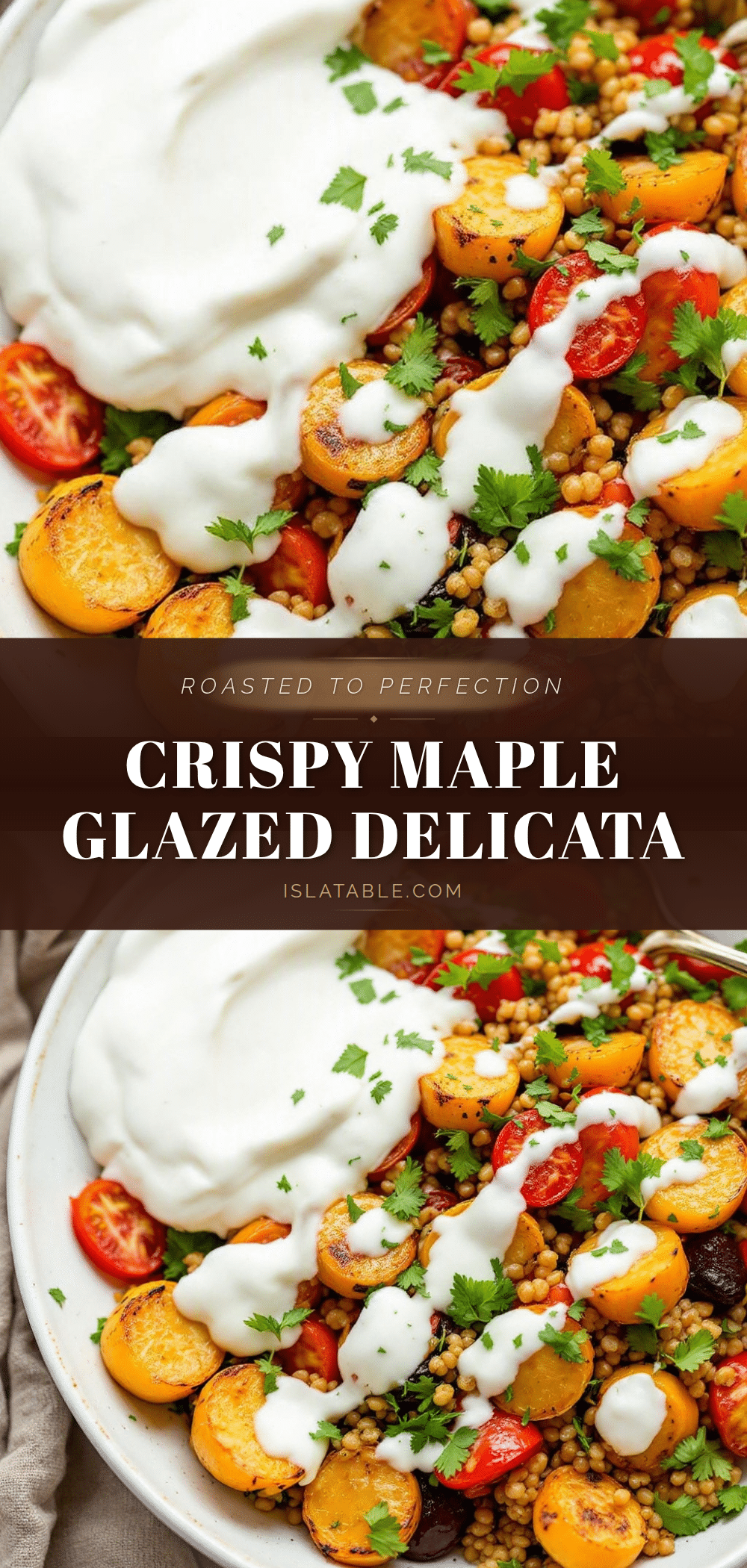
Crispy Maple Glazed Delicata Squash
A quick and easy fall side dish featuring delicata squash with crispy caramelized edges and a tender, creamy center, glazed with maple syrup for a sweet and savory treat.
- Prep Time: 10 minutes
- Cook Time: 25-30 minutes
- Total Time: 35-40 minutes
- Yield: 4 servings 1x
- Category: Side Dish
- Cuisine: American
Ingredients
- 2 medium delicata squash (about 1.5 pounds total)
- 2 tablespoons olive oil
- ½ teaspoon fine sea salt
- ¼ teaspoon freshly ground black pepper
- 3 tablespoons pure maple syrup (Grade A dark amber preferred)
- 1 tablespoon olive oil (for glaze)
- ¼ teaspoon ground cinnamon (optional)
- ⅛ teaspoon cayenne pepper (optional)
Instructions
- Preheat your oven to 400°F. Line a baking sheet with parchment paper.
- Wash the delicata squash well under running water and pat dry. Trim off the stem end and the very bottom tip—about ¼ inch from each end.
- Cut the squash crosswise into ½-inch thick rings. Use a small spoon or your finger to pop out the seeds from each ring.
- Arrange the squash rings in a single layer on the prepared baking sheet. Drizzle with 2 tablespoons olive oil and sprinkle with salt and pepper. Toss gently to coat evenly, then spread them back into a single layer. Roast for 15 minutes.
- While the squash roasts, whisk together the maple syrup, 1 tablespoon olive oil, cinnamon, and cayenne (if using) in a small bowl. Set aside.
- After 15 minutes, remove the baking sheet from the oven. Use tongs to flip each ring over. Brush or drizzle the maple glaze over the tops of the rings in a thin, even layer.
- Return the pan to the oven and roast for another 10-15 minutes, watching closely during the last 5 minutes, until the edges are deep golden-brown and the centers are tender when pierced with a fork.
- Let the squash rest on the pan for 2-3 minutes before serving. Transfer to a serving platter and drizzle any remaining glaze from the pan over the top.
Notes
Don’t skip the first roast—glazing too early can cause the sugar to burn. Use room-temperature maple syrup for easier spreading. Avoid overcrowding the pan to ensure crispiness. Save the seeds to roast as a garnish. For best results, serve warm or at room temperature.
Nutrition
- Serving Size: About 6 rings
- Calories: 185
- Sugar: 16
- Sodium: 300
- Fat: 9
- Saturated Fat: 1.5
- Carbohydrates: 28
- Fiber: 4
- Protein: 3
Keywords: delicata squash, maple glazed squash, crispy squash, fall side dish, easy vegetable recipe, roasted squash, vegan side dish, gluten-free side dish